Insight
Secure parking helps towns capture bike tourism spending
Cycle tourists arrive earlier and stay longer, Kirsten Corson of Locky Dock says. Secure parking and charging decide whether towns capture that spending.
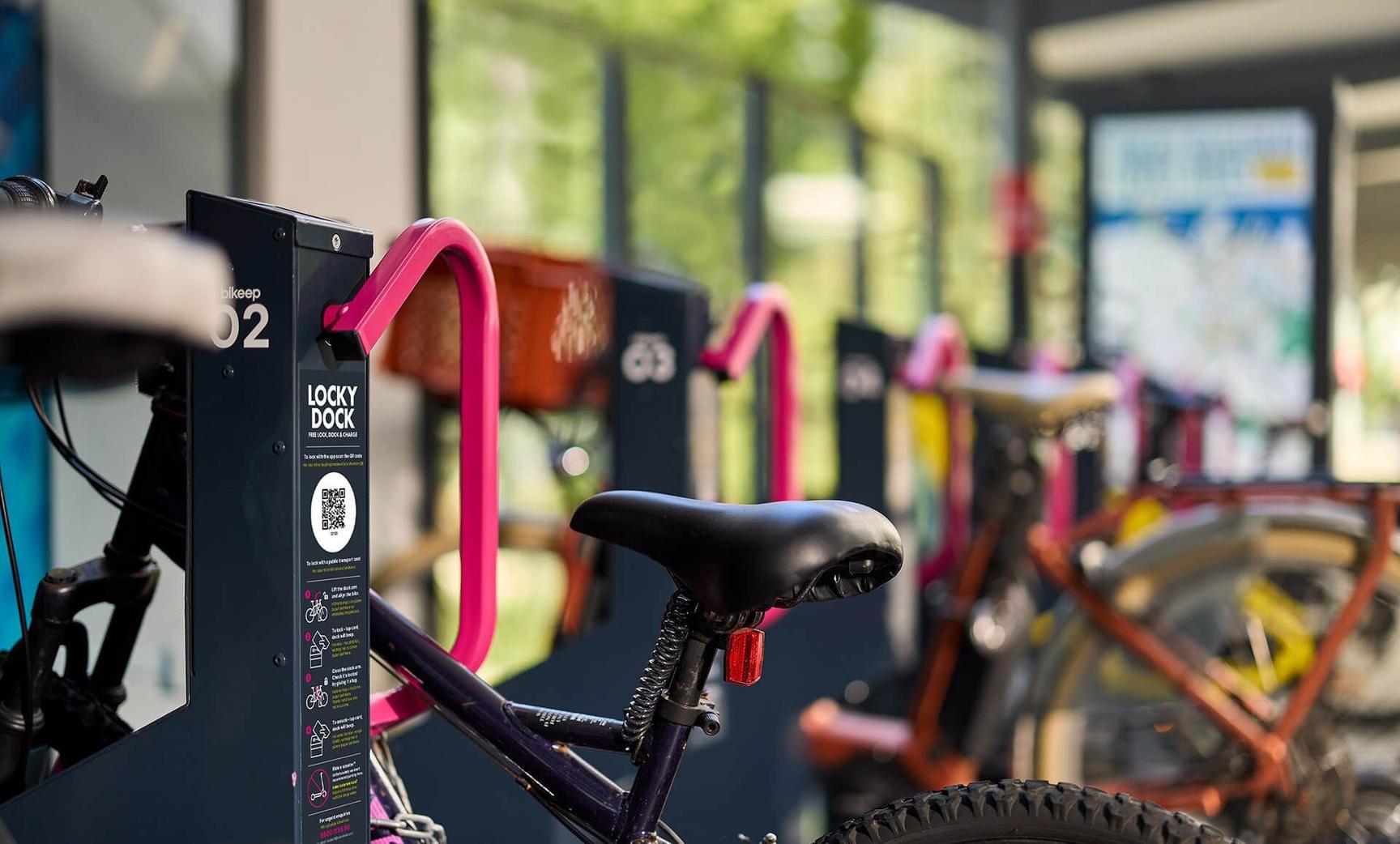
Starting a bike parking business is one challenge. Growing it into a network is another. "It is challenging for a business to scale up and deploy lots of stations," says Kirsten Corson, CEO of Locky Dock. Her advice to newcomers comes down to two lessons.
Hardware costs money before it earns any. For a young business, paying for every station upfront limits how fast you can grow.
"That's why having a media model for us really works," Kirsten says.
Advertising screens on each station earn recurring revenue, so councils and riders pay nothing and the network can grow with advertiser demand. Kirsten says Locky Dock's media partner hasn't set a limit on how many stations it wants. See why media companies want more bike stations in the ground, and how advertising funds free bike parking.
The second lesson is about the pipeline.
"Having head office agreements gives you your pipeline, your rollout. That would be also a piece of advice for newcomers into the market." Kirsten Corson, CEO, Locky Dock
One agreement with a supermarket chain or rail operator can open dozens of sites. Read how to roll out bike stations fast.
The media model removes the funding limit. Head-office agreements remove the site limit.
Together, growth becomes a question of how fast you can install.
Locky Dock had 101 stations in New Zealand as of 2026. By May 2025 it had parked more than 100,000 bikes.
Bikeep platform data counts about 203,000 parking sessions in New Zealand between 2022 and August 2026.
These lessons are the core of our guide to starting a smart bike parking business.
Two things, according to Kirsten Corson of Locky Dock. Paying for hardware upfront limits funding, and negotiating site by site limits the pipeline.
Advertising screens earn recurring revenue on each station, so councils and riders pay nothing. Growth can follow advertiser demand.
One agreement with a chain or network, such as a supermarket group or a rail operator, that opens many sites at once.
Cycle tourists arrive earlier and stay longer, Kirsten Corson of Locky Dock says. Secure parking and charging decide whether towns capture that spending.
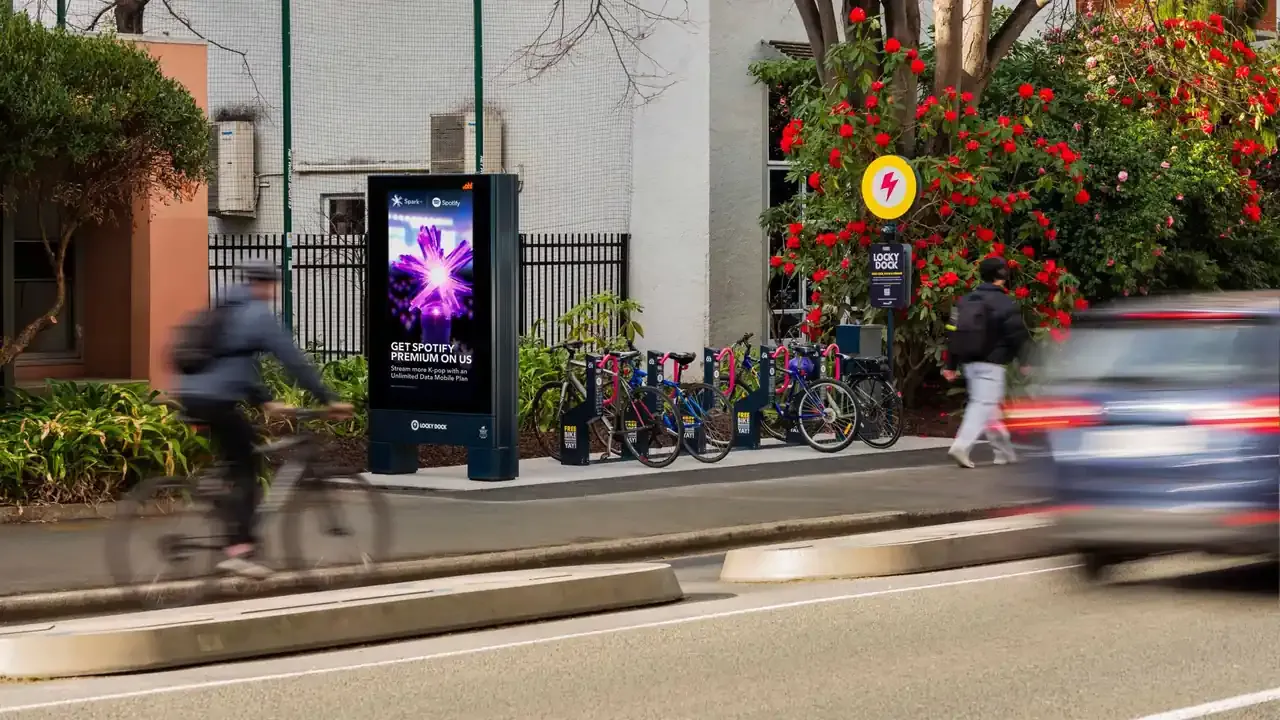
Kirsten Corson of Locky Dock names the wrong location as the costliest mistake. In an ad-funded network every site must suit riders and advertisers.
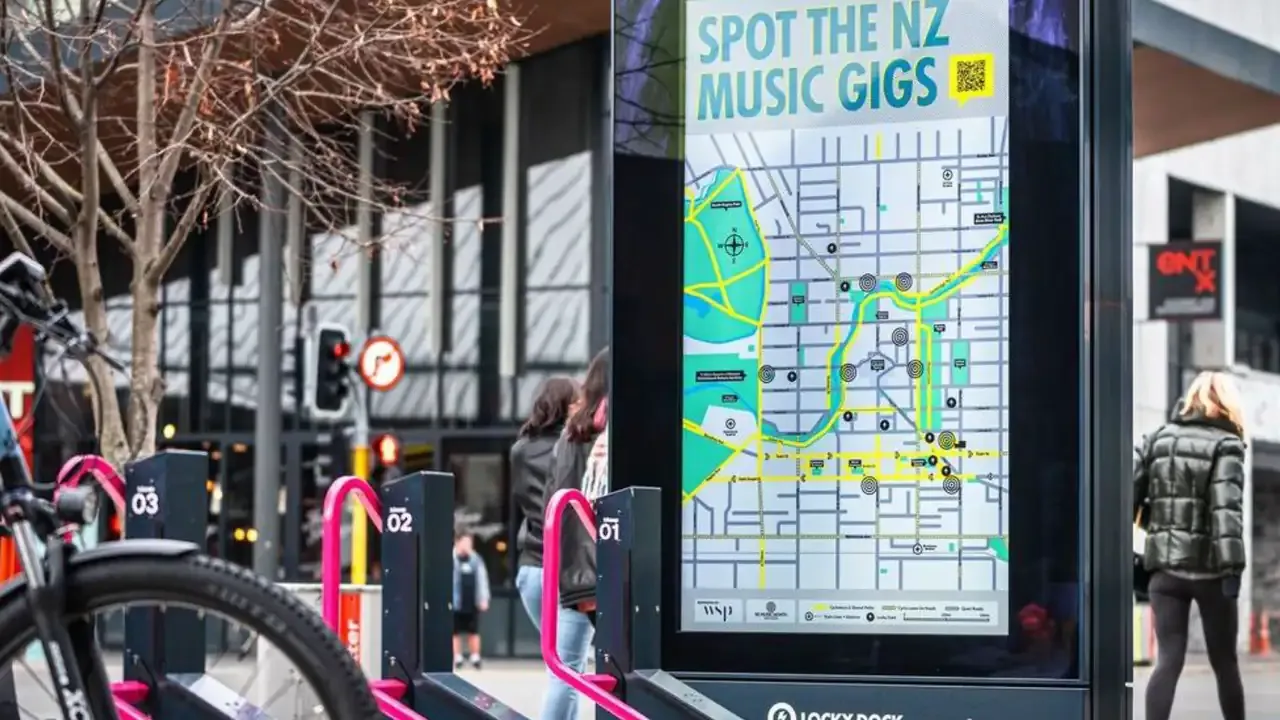
Locky Dock has sold its own ads and worked through a media company. Kirsten Corson explains why new operators should partner, and how to choose one.