
Insight
The costliest bike station mistake is the wrong site
Kirsten Corson of Locky Dock names the wrong location as the costliest mistake. In an ad-funded network every site must suit riders and advertisers.
Installing a bike station doesn't guarantee anyone uses it. Adoption takes a campaign.
One of the simplest we've heard comes from Locky Dock in Auckland. It cost one scoop of ice cream.
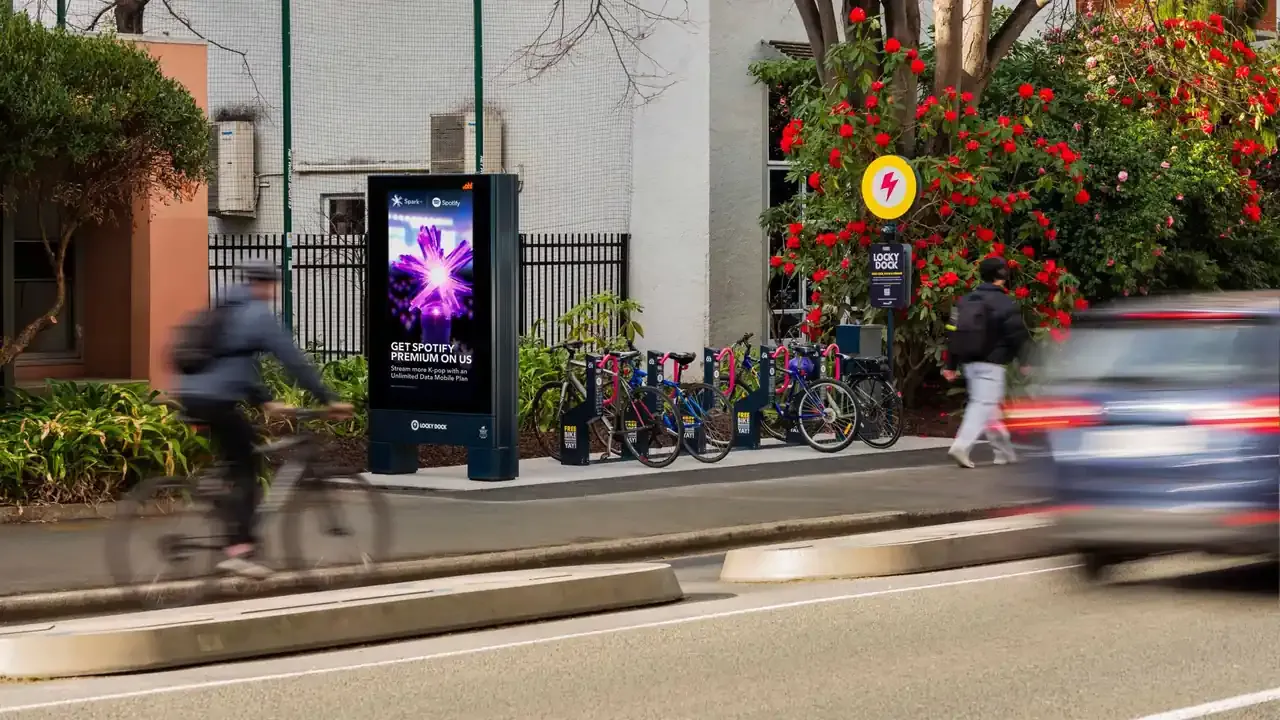
Locky Dock partnered with an ice cream shop across the road from one of its Auckland charging stations. Kirsten Corson, CEO of Locky Dock, explains how it worked.
"Visit the ice cream shop across the road and say 'Locky Dock' and they will give you your second scoop of ice cream for free. Really simple. Put that out on social media on a Saturday, and our dock was most definitely full with bikes." Kirsten Corson, CEO, Locky Dock
Each side gets something it wants, which is why the offer costs so little and works so well.
The first visit is the hard one. Once riders know the station works, they come back without the ice cream.
Almost any business within sight of a station can run a version of this.
One offer, one station, one weekend. It should be simple enough to explain in one sentence.
Pick a retailer in sight of the station. Across the road beats around the corner.
Post it where locals already look. That means community social pages, the council's channels and the retailer's own followers.
Then measure. Compare sessions on the offer day with a normal weekend. Every Bikeep station logs its sessions on the Bikeep platform, so the comparison takes minutes.
A station that sits empty makes a weak case for the next site. A full one makes a strong case.
Retailer partnerships also strengthen the triple win behind advertising-funded bike parking. Local businesses see the station bringing them customers, which helps when you pitch the next location.
We made the same argument in bike parking adoption takes a campaign, not just a station. The site matters too, and the nodes of daily life are where stations fill most easily.
Give them a reason to try it once. A simple offer from a nearby shop, posted where locals look, can fill a station on a single weekend.
A business in sight of the station, with customers who might arrive by bike. Cafés, ice cream shops, bike shops and supermarkets all fit.
Compare the sessions on the offer day with a normal weekend. Bikeep stations log every session, so the numbers are there.
Mentioned in this article
Kirsten Corson of Locky Dock names the wrong location as the costliest mistake. In an ad-funded network every site must suit riders and advertisers.
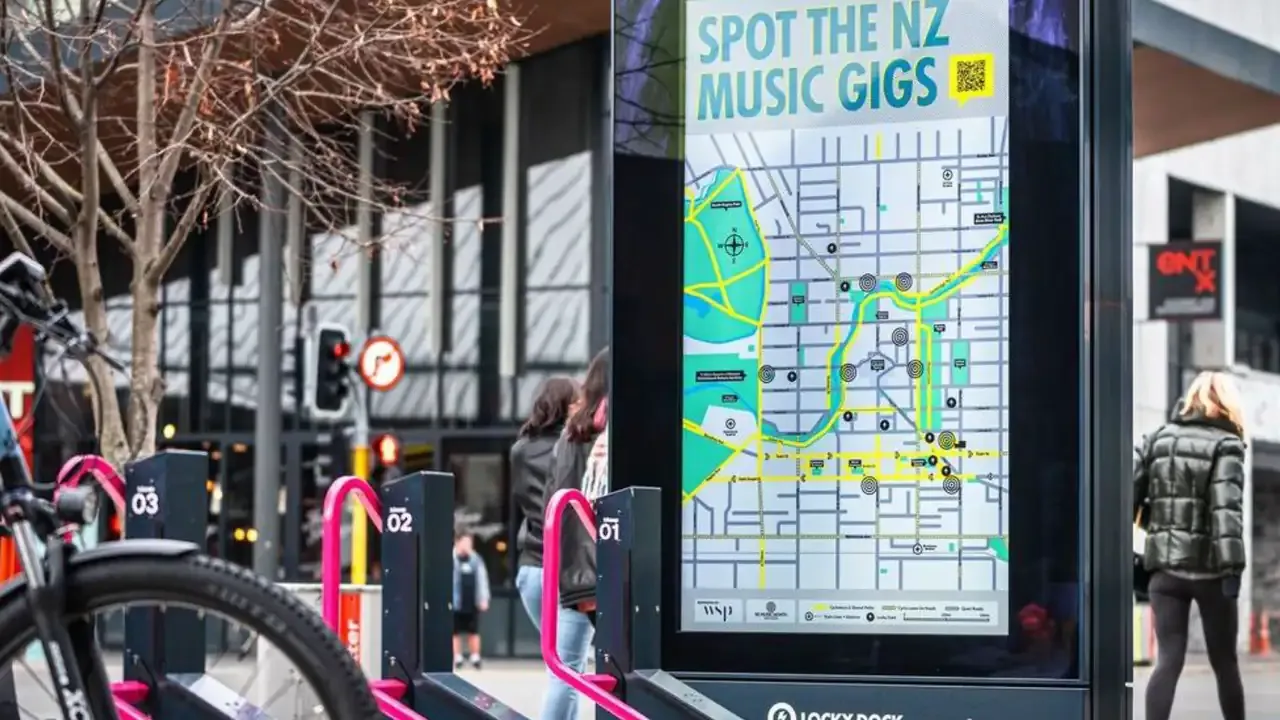
Locky Dock has sold its own ads and worked through a media company. Kirsten Corson explains why new operators should partner, and how to choose one.
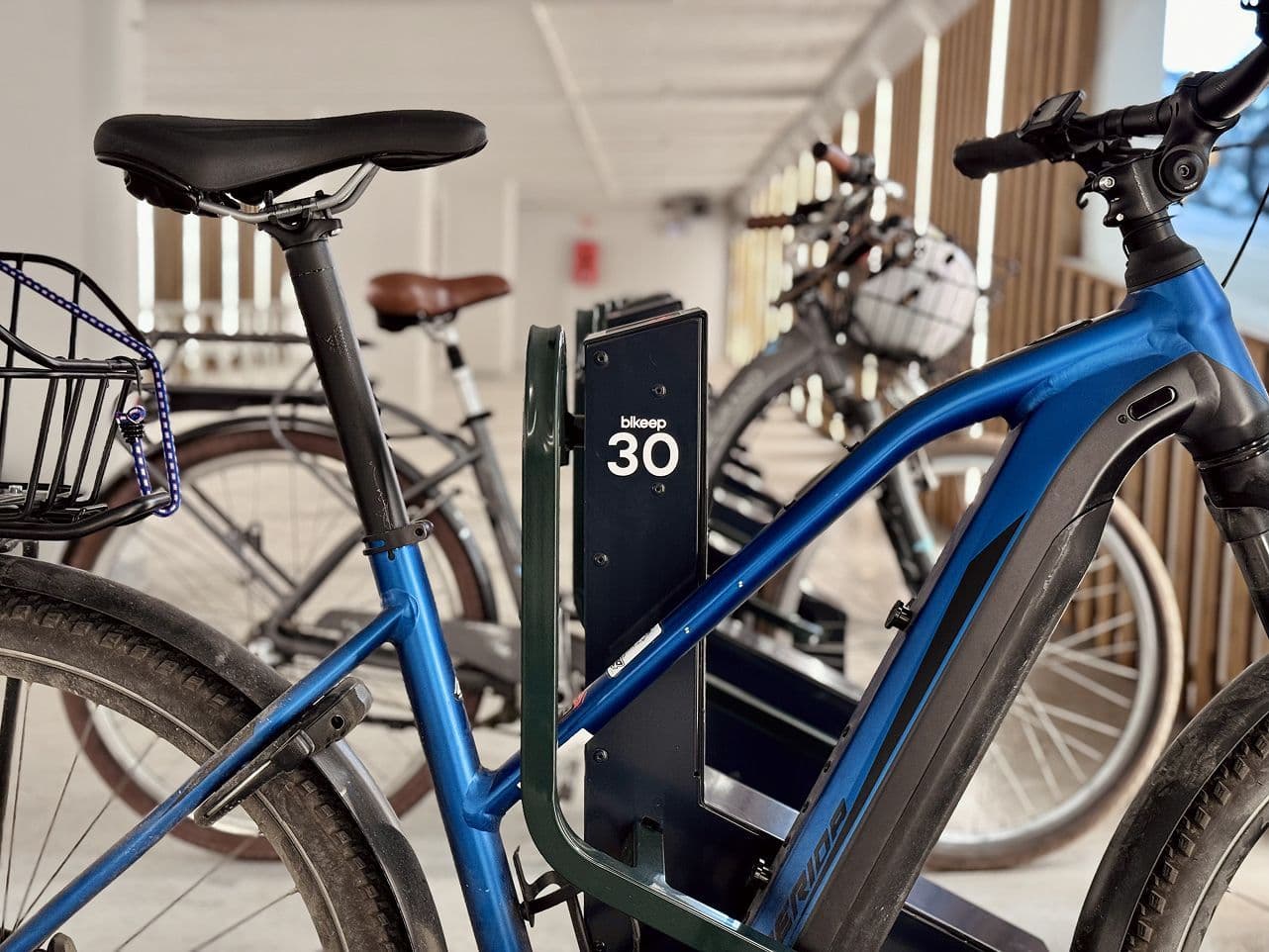
An e-bike costs about 30 cents per 100 km to run in New Zealand, against about $20 for a petrol car. Secure parking decides whether riders switch.