Insight
A local retailer offer can fill a bike station
One free scoop of ice cream filled a Locky Dock station in Auckland on a Saturday. Here is how operators can use local retailers to get riders to try a station.
Building a bike parking network one site at a time is slow. Every location needs a negotiation, a contract and a sign-off. Kirsten Corson, CEO of Locky Dock, has a faster route.
It is one agreement with an organization that runs many sites. You sign once, and the agreement opens the door to many stations.
"If you can do a head office deal, and you sign an agreement, whether it's with a supermarket chain, whether it's your national railway, it gives you the ability to put in 5, 10, 15, 20, you know, 30 Locky Docks across that agreement. That is a great way to deploy fast." Kirsten Corson, CEO, Locky Dock
Look for organizations that own or run many sites where people spend time.
One sales cycle opens many sites, and each group gains something different.
Locky Dock pairs head-office deals with advertising funding. A chain finds it easier to say yes when the stations cost it nothing. A media partner, in turn, values a signed pipeline of sites.
That is the case for doing both together. Read how advertising funds free bike parking and why media companies want more bike stations in the ground. Our piece on scaling a bike parking business puts the two side by side.
Bikeep partners get the stations, platform and support to deliver multi-site rollouts. The wider steps are in our guide to starting a smart bike parking business, and you can read about becoming a Bikeep partner.
One agreement with a chain or network, such as a supermarket group or a national railway. It lets you install stations across many of its sites without renegotiating each one.
Kirsten Corson of Locky Dock says a head-office agreement can give you the ability to put in 5, 10, 15, 20 or 30 Locky Dock stations across it.
They get one supplier, one agreement and the same experience at every location.
One free scoop of ice cream filled a Locky Dock station in Auckland on a Saturday. Here is how operators can use local retailers to get riders to try a station.
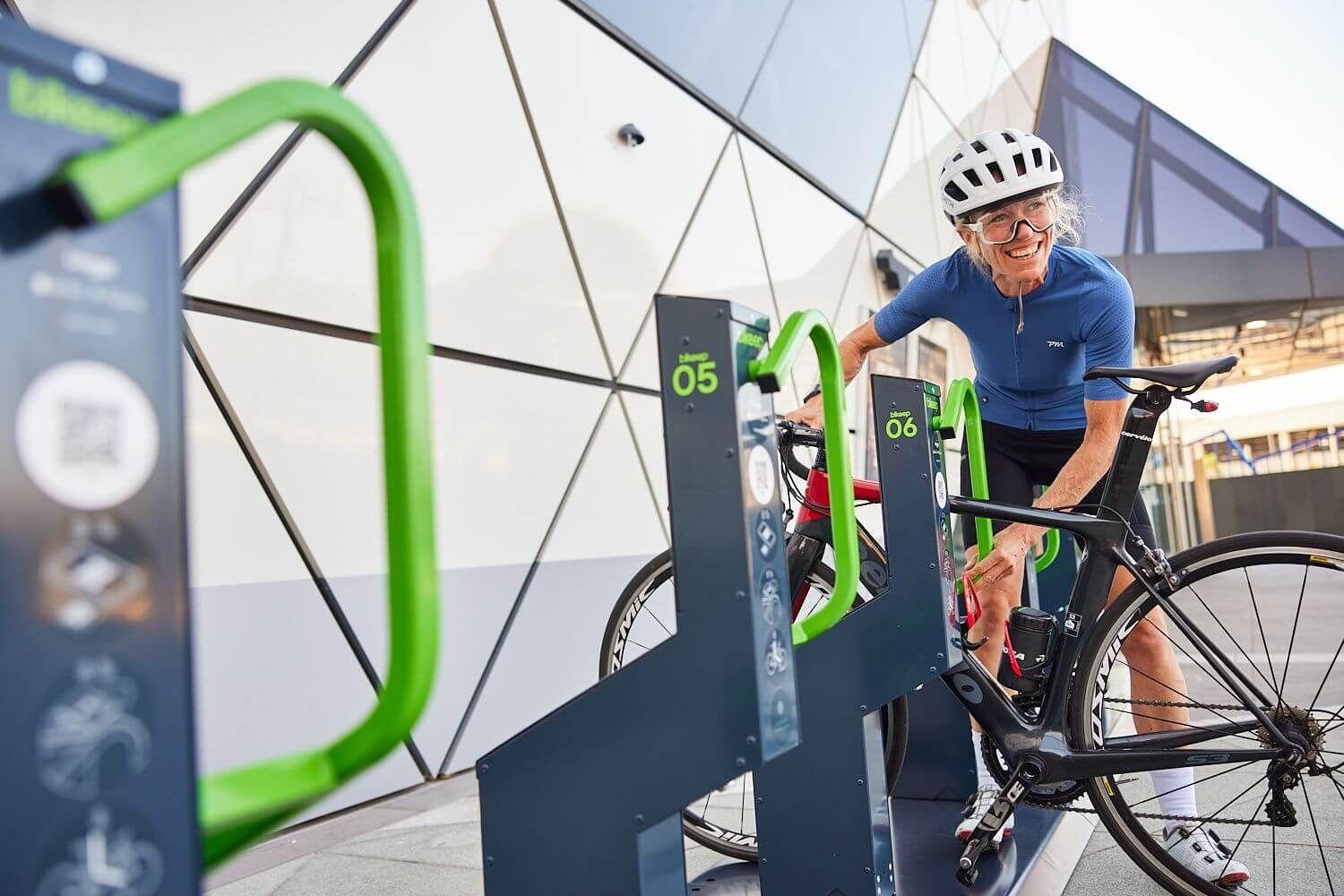
Cycle tourists arrive earlier and stay longer, Kirsten Corson of Locky Dock says. Secure parking and charging decide whether towns capture that spending.
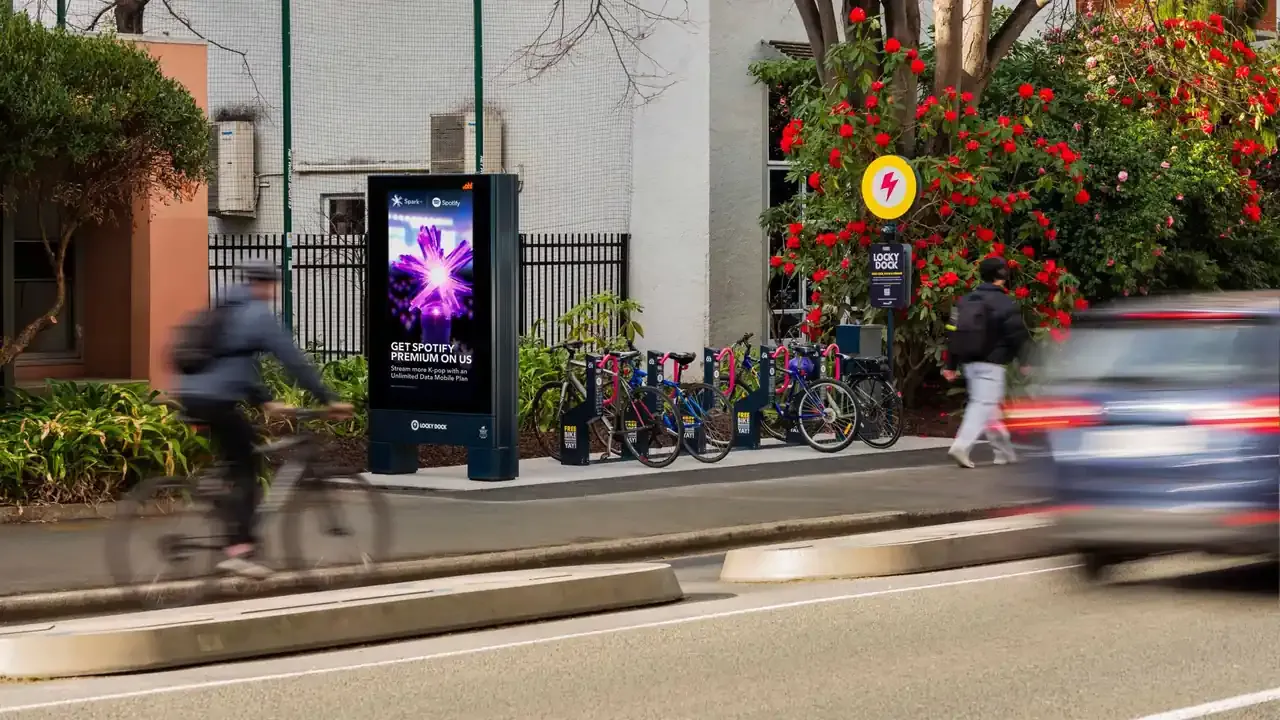
Kirsten Corson of Locky Dock names the wrong location as the costliest mistake. In an ad-funded network every site must suit riders and advertisers.