News
How Big Street Bikers built 100 Locky Dock stations across New Zealand
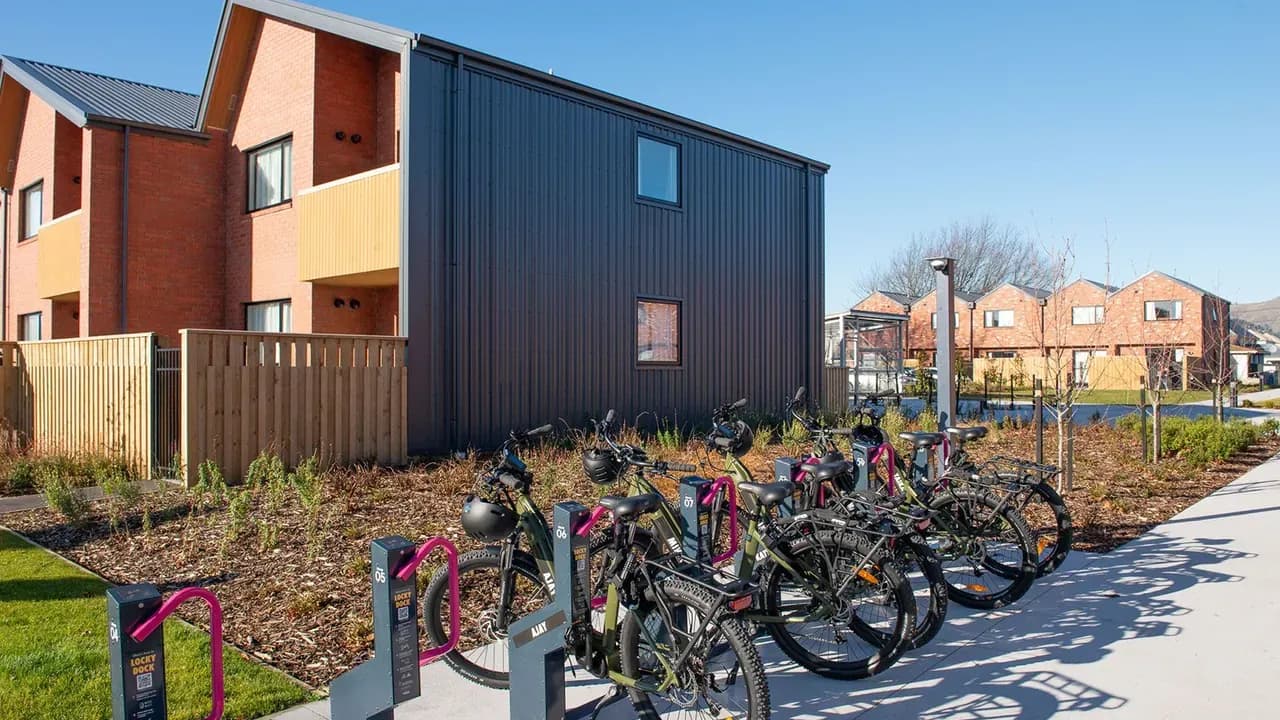
Since 2018 Big Street Bikers has grown Locky Dock to about 100 free Bikeep stations across New Zealand, with about 198,000 parkings by 14,300 riders.
Pitching infrastructure usually means convincing a buyer. For Locky Dock, the conversation with its media partner has flipped.
The media company wants as many stations as Locky Dock can build.
Not for Locky Dock. Asked how she sells the idea to a media company, Kirsten Corson, CEO of Locky Dock, answers simply.
"Our media company just want us to install more and more and more. So I'm guessing it works for our media company. They haven't put a limit. It's, can you just get more docks in the ground?" Kirsten Corson, CEO, Locky Dock
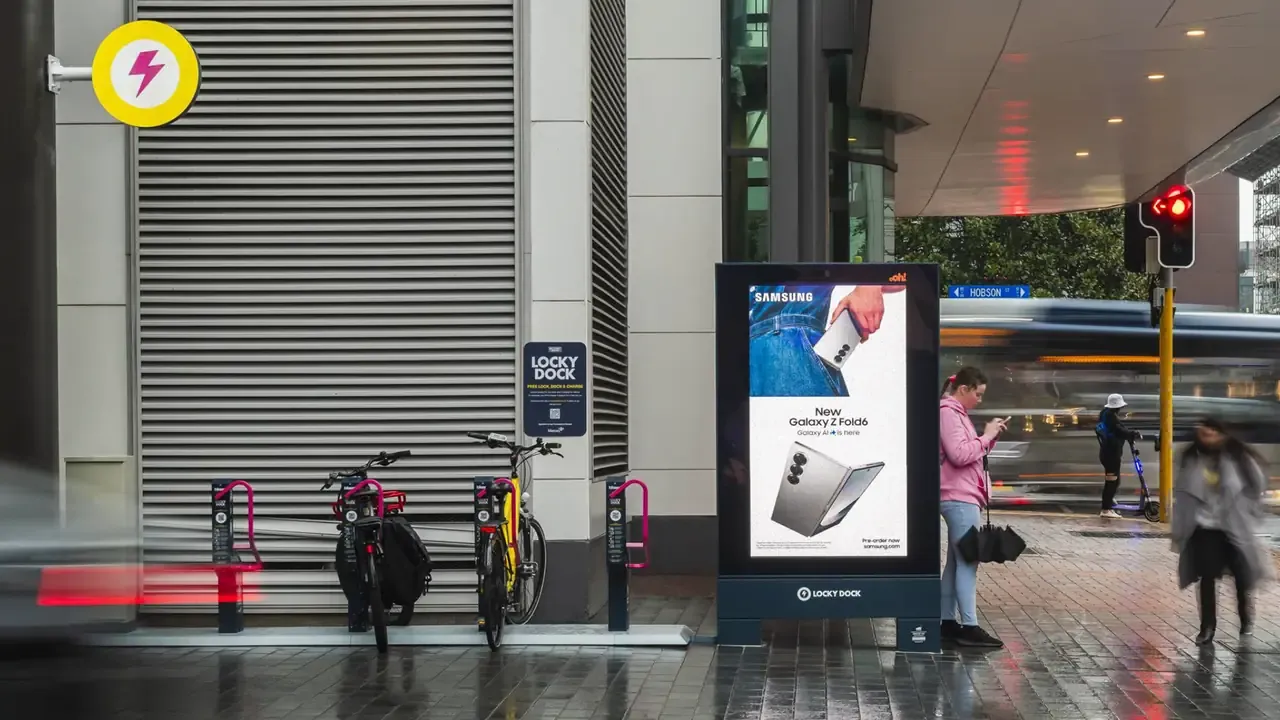
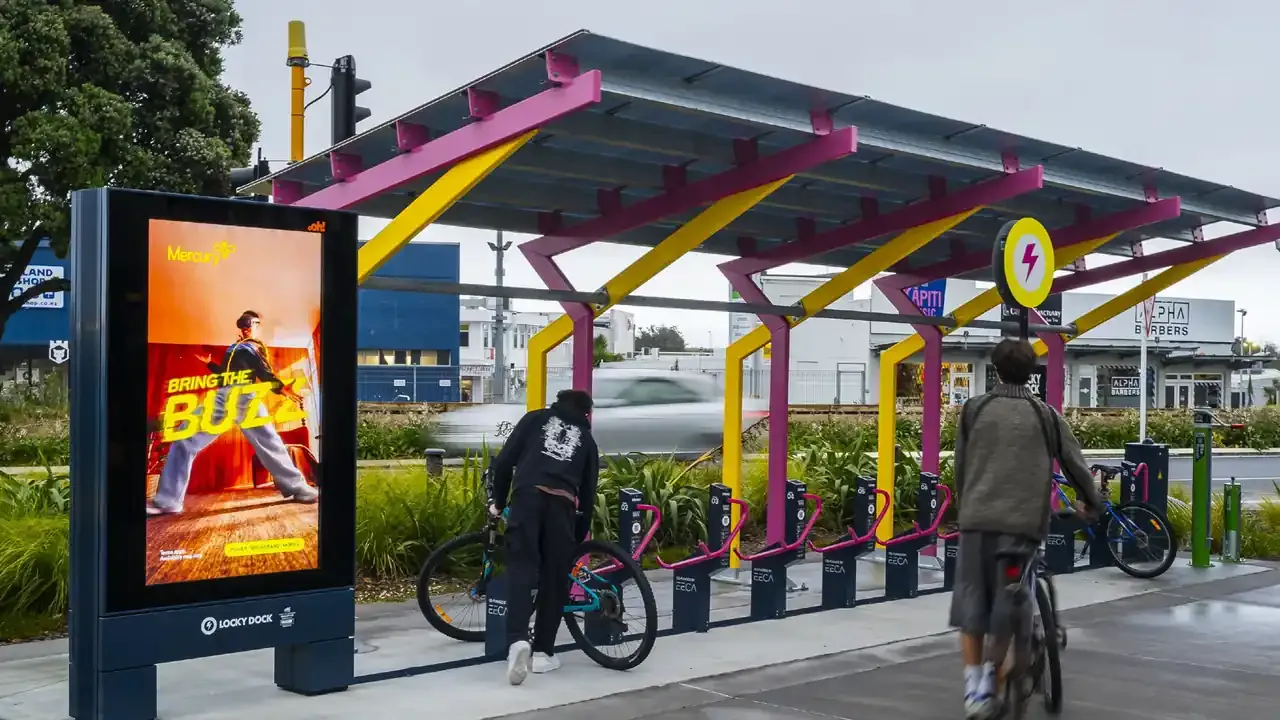
Locky Dock's media partner in New Zealand is oOh!media, which lists Digital Locky Docks as one of its advertising formats. By 2026 the network had grown to 101 stations.
A bike station puts a screen where people already stop. That gives it four strengths as an advertising format.
In Locky Dock's model, the media partner does two jobs. It helps choose sites, because every site must also work as a media location. And it sells the advertising.
Locky Dock builds and runs the stations on Bikeep smart stations with e-bike charging. Our article on whether to sell ads yourself or partner with a media company covers the split in detail.
When the partner's only question is how fast you can build, demand for advertising stops being the limit. Growth depends on how fast you can find sites and install.
That is why Locky Dock focuses on council networks and head-office agreements that open many sites at once. The site list matters too. Our piece on where to install public bike parking covers the places that work for riders and advertisers alike.
Bring the same four things Locky Dock can show today.
The model behind it is explained in how advertising funds free bike parking.
Stations sit in busy places at eye level, on an amenity people like. Each new station adds inventory to a network advertisers can buy as one package.
Locky Dock's media partner, oOh!media. It also helps choose the sites.
Kirsten Corson of Locky Dock says the partner hasn't set a limit. Its question is how fast more docks can go in the ground.
Since 2018 Big Street Bikers has grown Locky Dock to about 100 free Bikeep stations across New Zealand, with about 198,000 parkings by 14,300 riders.
One free scoop of ice cream filled a Locky Dock station in Auckland on a Saturday. Here is how operators can use local retailers to get riders to try a station.
Locky Dock plans bike parking as a network at the nodes of daily life, such as libraries, supermarkets and pools. This is how to pick and rank the sites.