
Insight
Why Locky Dock lets a media company sell its ads
Locky Dock has sold its own ads and worked through a media company. Kirsten Corson explains why new operators should partner, and how to choose one.
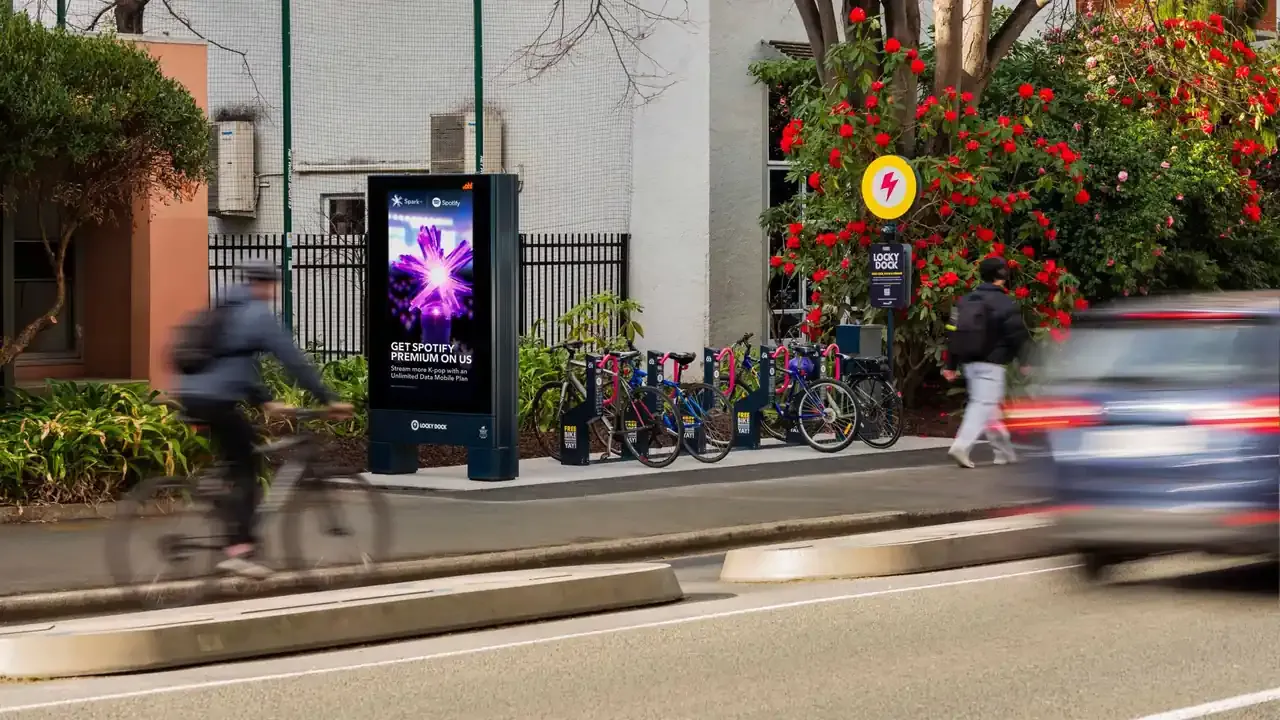
Ask an operator why a station underperforms, and the answer is usually location. Kirsten Corson, CEO of Locky Dock, names it as the main mistake she works to avoid.
Kirsten's answer is short. It is "putting docks in the wrong places."
In an advertising-funded network, a site has two jobs. It must be somewhere people need to park, and somewhere advertisers want to be seen.
"Every location must be a good media location." Kirsten Corson, CEO, Locky Dock
A station that riders love but advertisers ignore can't pay for itself. A station with great visibility but no reason to stop won't fill.
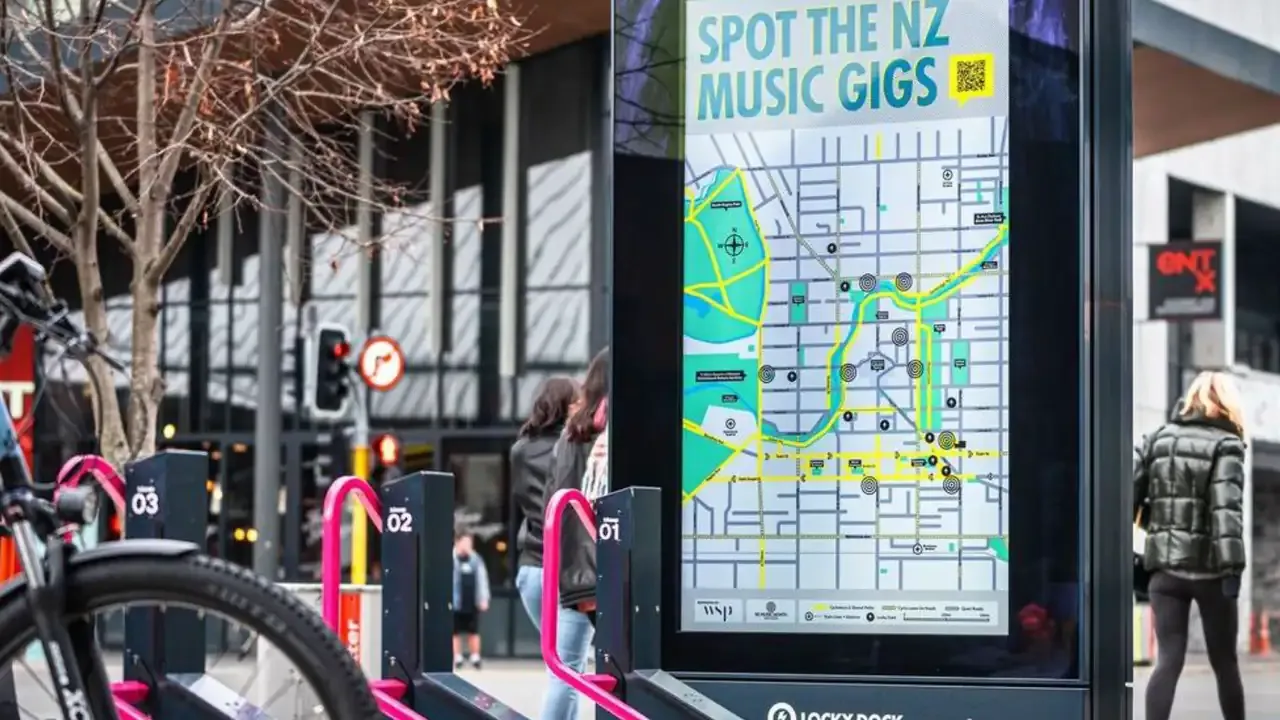
Locky Dock involves its media partner, oOh!media, in site selection. Kirsten notes that media companies around the world now use data for this, including foot traffic counts, audience profiles and traffic flows.
That is a reason to bring the media partner in before you commit to a site. For a closer look at the pairing, see our coverage of Locky Dock and oOh!media in Whangārei.
Good sites score well on three fronts.
After launch, every Bikeep station reports sessions and occupancy through the Bikeep platform. Combine that with the media partner's audience data, and you can see which sites earn their place and where to build next.
Site selection follows from the model. If advertising pays for the station, the site has to suit advertisers. Read how advertising funds free bike parking and whether to sell ads yourself or partner with a media company. Our guide to starting a smart bike parking business covers the wider picture.
Kirsten Corson of Locky Dock says it is putting docks in the wrong places. In an advertising-funded network, every location must also be a good media location.
Locky Dock chooses sites together with its media partner. Media companies increasingly use data such as foot traffic and audience profiles to guide these decisions.
Bikeep stations report sessions and occupancy. Compare those figures with the media partner's audience data to see which sites perform.
Mentioned in this article
Locky Dock has sold its own ads and worked through a media company. Kirsten Corson explains why new operators should partner, and how to choose one.
An e-bike costs about 30 cents per 100 km to run in New Zealand, against about $20 for a petrol car. Secure parking decides whether riders switch.
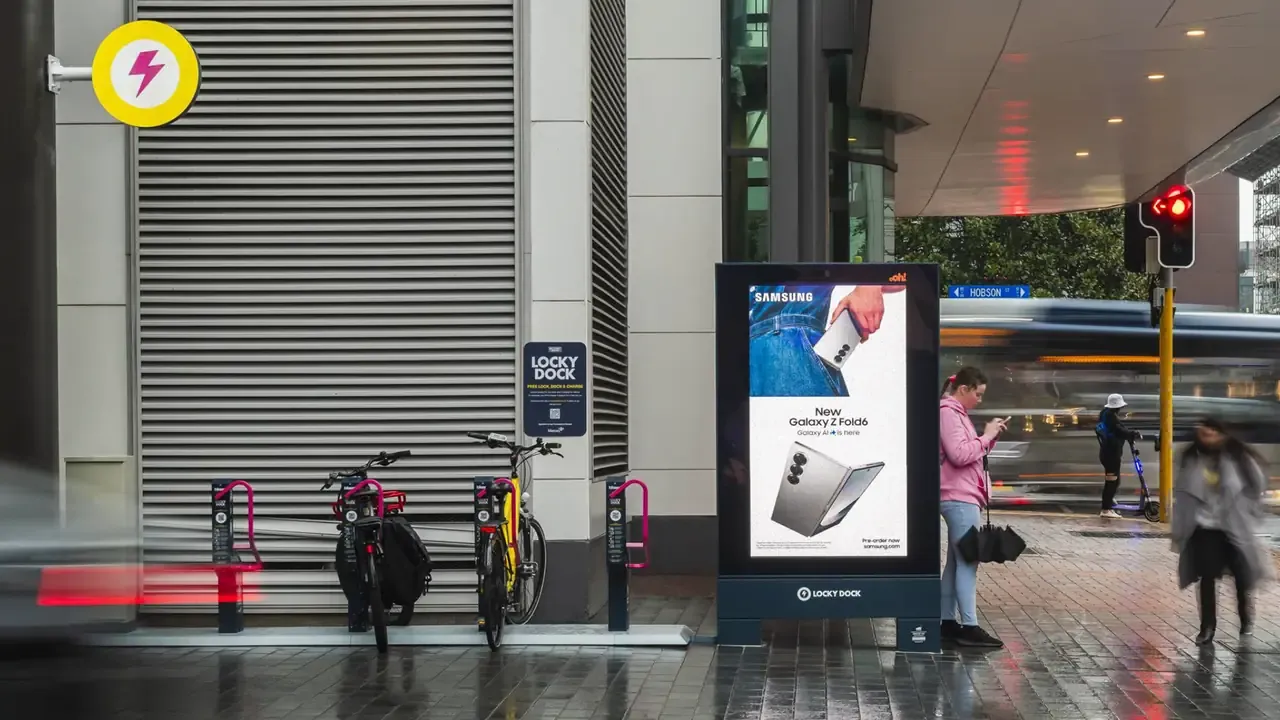
Locky Dock's media partner has set no limit on how many stations it wants. Why a bike station works as street media, and what that means for operators.