Insight
How to pitch secure bike parking to a city council
Kirsten Corson of Locky Dock on winning council backing for secure bike parking. Start with theft as the barrier to cycling, then the council's own goals.
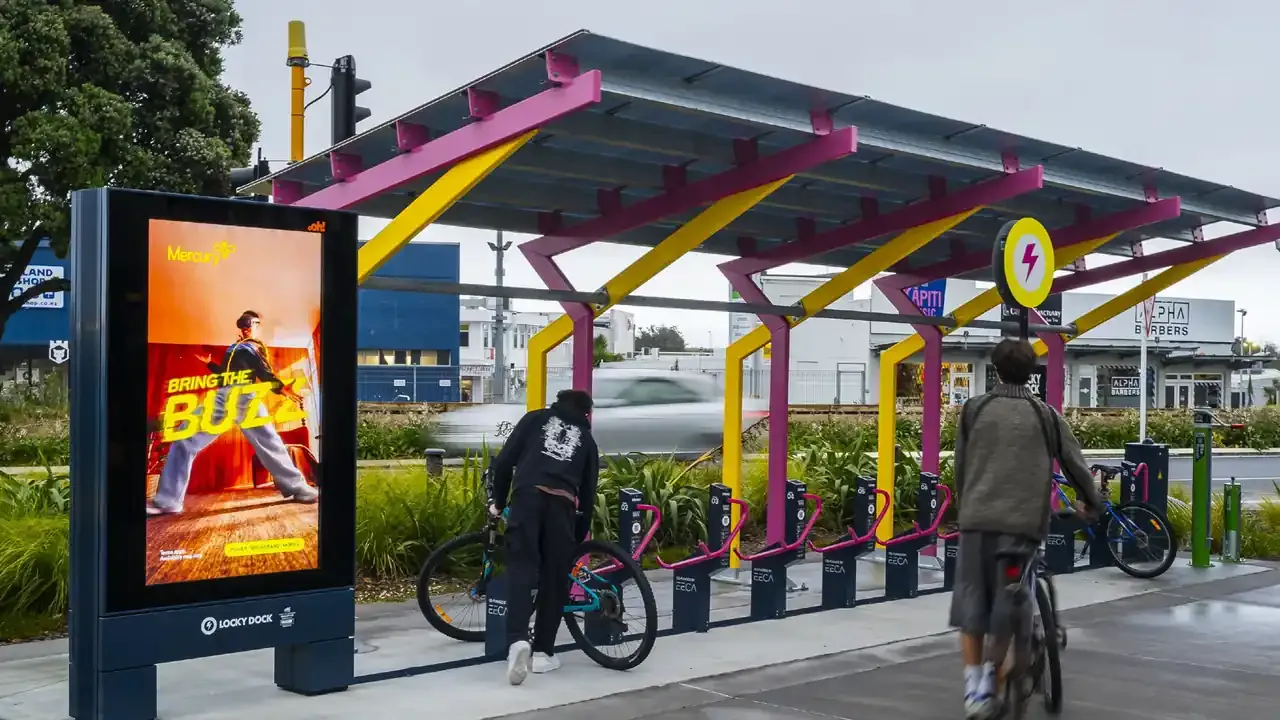
Where should a city put secure bike parking? A single station is a pilot. A network changes how people travel. The difference is where the stations go.
Kirsten Corson, CEO of Locky Dock, has a name for the right places. She calls them the nodes of daily life.
Locky Dock starts with the council. Kirsten puts it plainly.
"What we try to do and where we've been successful is working with councils to create a network within the city." Kirsten Corson, CEO, Locky Dock
The reason is simple. A trip has two ends. If a rider can lock up securely at home and at the supermarket, they ride to the supermarket. If they can only lock up at one end, they drive.
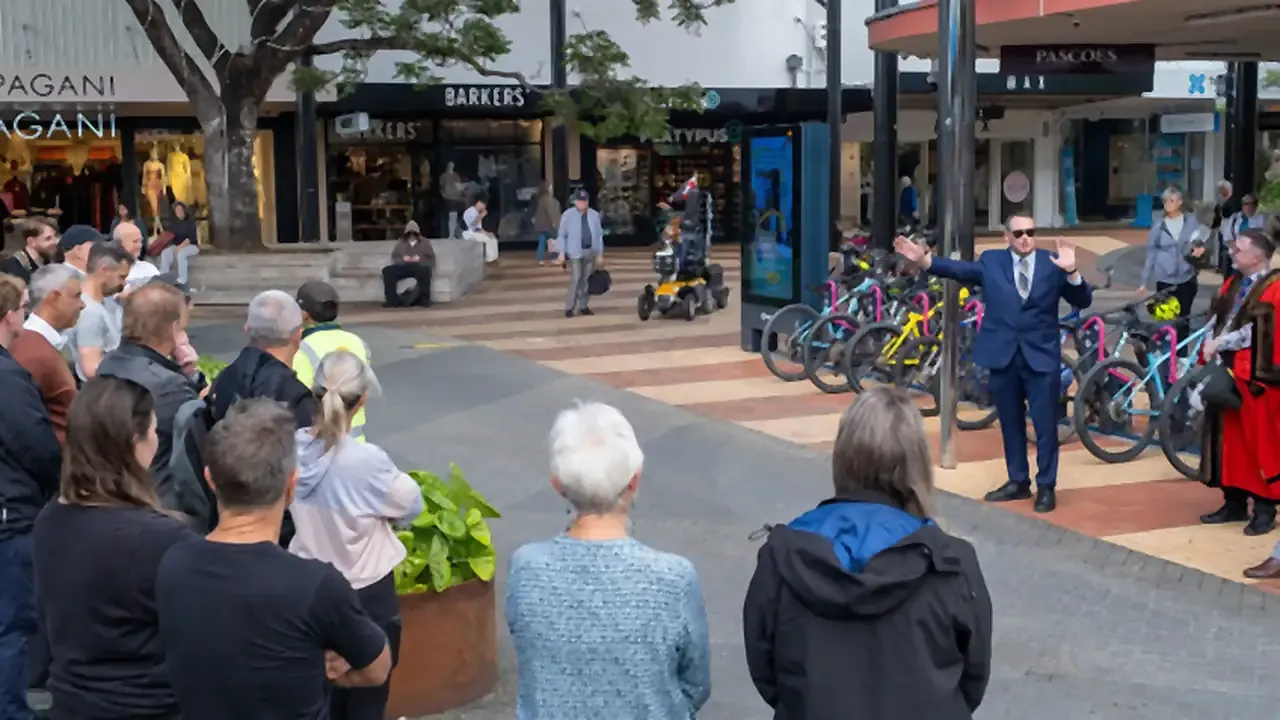
In Whangārei, the council planned 15 stations. By 2026, Locky Dock had 101 stations in New Zealand.
"If you can put them at the university, if you can put them at the library, put them at supermarkets, put them at the swimming pool," Kirsten says. "We call them the nodes of daily life. So think of it as a village network."
Typical nodes include these.
These are trips people already make. Secure parking at the far end is what lets them make the trip by bike.
Start with the places people visit every week. Then rank the rest on five points.
Our article on the site selection mistake that costs operators most covers the media side in detail.
If you are preparing a council proposal, the sites you name matter as much as the pitch. See how to pitch secure bike parking to a city council.
Many nodes of daily life belong to chains. Supermarkets, rail operators and universities with several campuses all run many sites. One agreement can open many of them at once.
We cover this in our article on rolling out bike stations fast with head-office agreements.
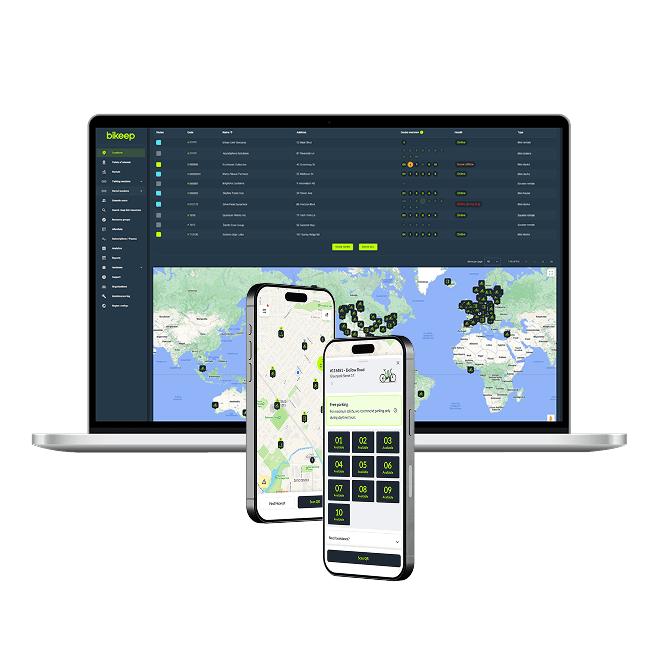
Every Bikeep station logs its sessions on the Bikeep platform. After a few months, you can see which sites fill up, which need more docks and where the next station should go.
It is Locky Dock's name for the places people visit in an ordinary week, such as universities, libraries, supermarkets and swimming pools. Riders need secure parking at these places.
A trip has two ends. A rider chooses the bike when they can park securely at both, and drives when they cannot.
Start with places people visit weekly, where they stay a while and where bikes already get stolen.
In an advertising-funded network like Locky Dock's, yes. The screens need foot traffic and visibility, so each site has to work as a media location.
Mentioned in this article
Kirsten Corson of Locky Dock on winning council backing for secure bike parking. Start with theft as the barrier to cycling, then the council's own goals.
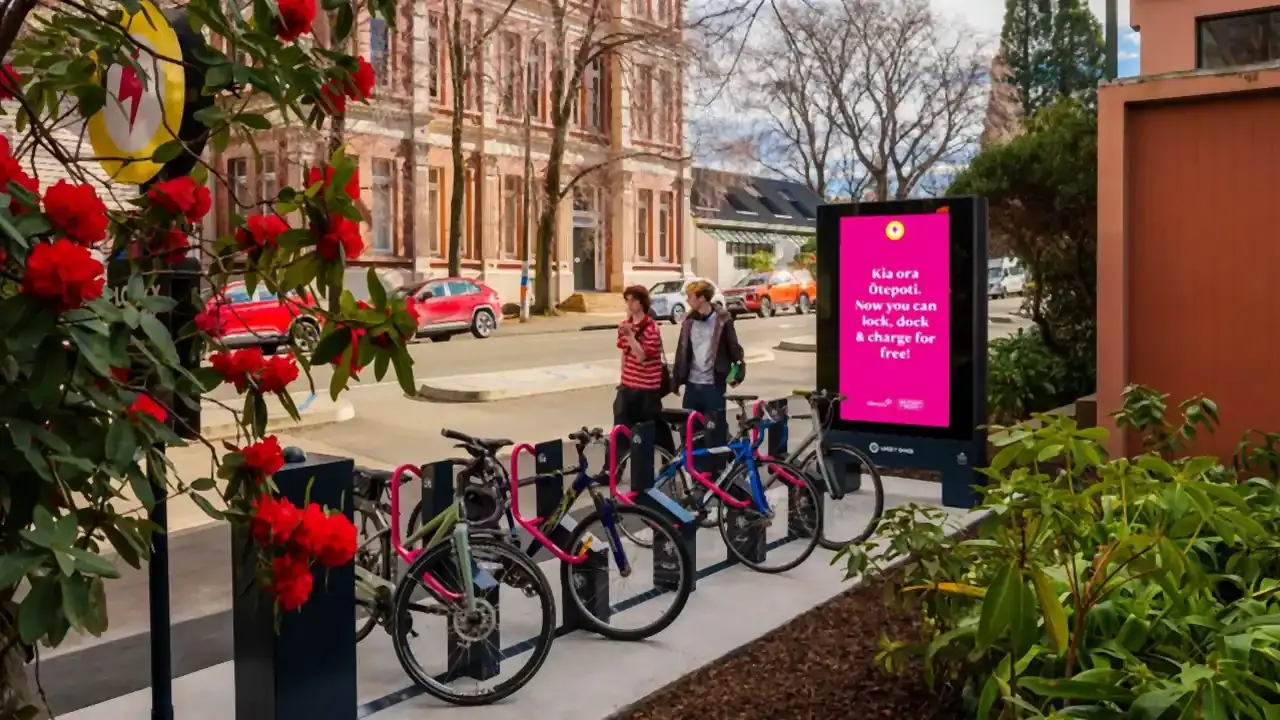
Advertising screens pay for Locky Dock stations, so councils get secure bike parking and e-bike charging without spending taxpayers' money.
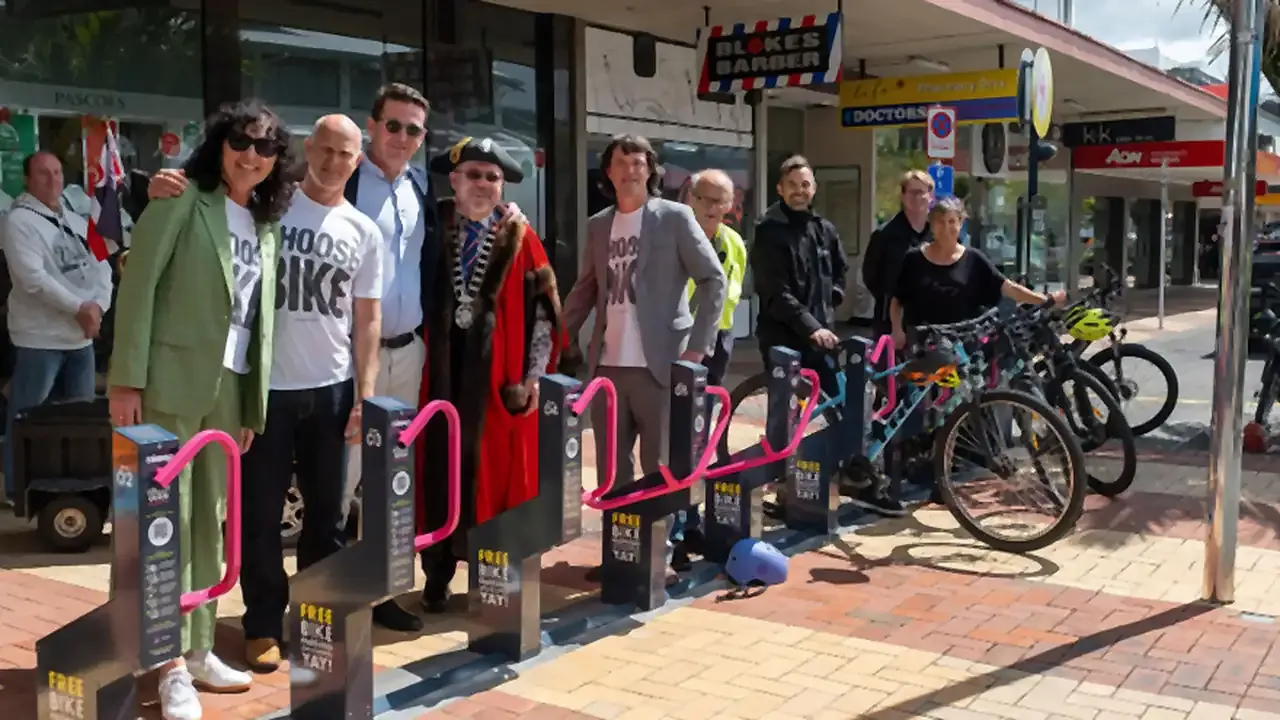
A mobility scooter user in Whangārei showed Locky Dock what public charging means for a town. The benefits councils can point to go well beyond cycling.