Insight
An e-bike costs cents to run where a car costs dollars
An e-bike costs about 30 cents per 100 km to run in New Zealand, against about $20 for a petrol car. Secure parking decides whether riders switch.
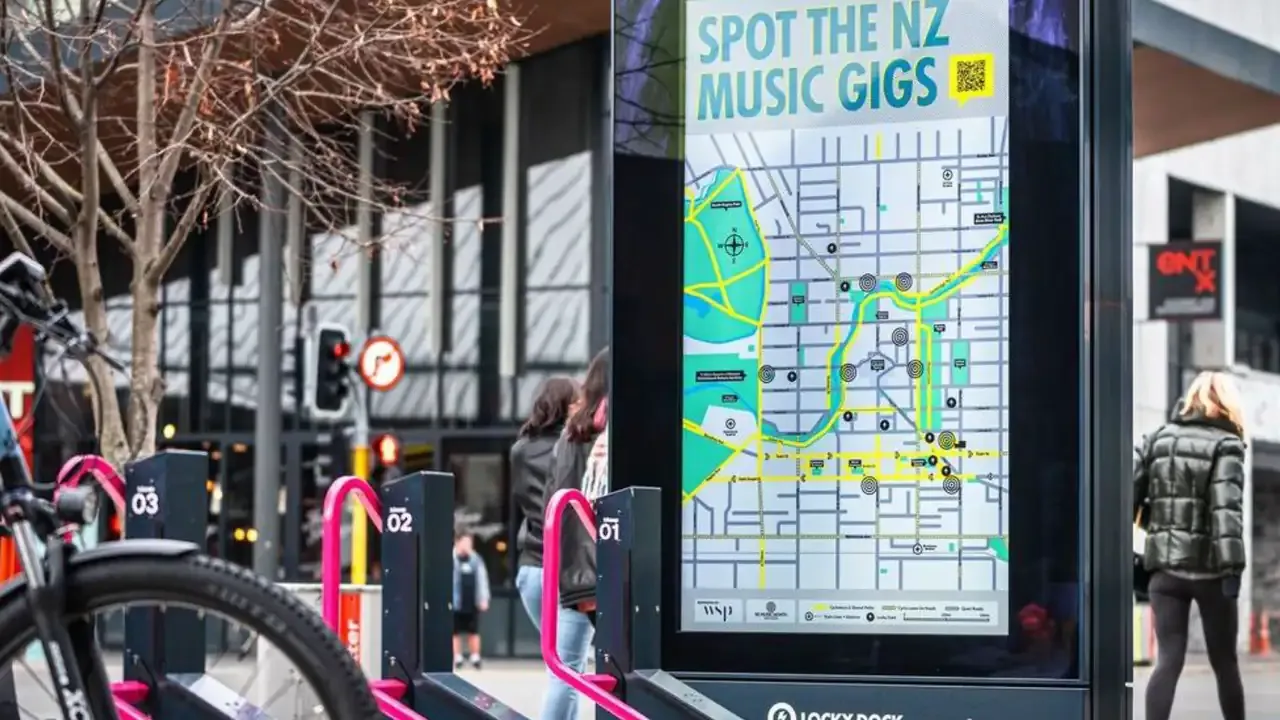
Advertising screens can fund a bike parking network. The next question is who sells the advertising.
Locky Dock in New Zealand has done it both ways. Kirsten Corson, CEO of Locky Dock, has a clear recommendation for new operators.
No, in Kirsten's view. Asked which approach she would recommend today, she doesn't hesitate.
"I would definitely say partner with a media company." Kirsten Corson, CEO, Locky Dock
In Locky Dock's model, the media partner helps with site selection and is responsible for advertising sales.
A new operator already has too many moving parts. Kirsten explains it from experience.
"There's a lot to learn if you're coming on board as a Bikeep partner. There's a lot of moving parts. All of a sudden you're buying infrastructure, you're installing infrastructure, and you're rolling out a media network." Kirsten Corson, CEO, Locky Dock
Each of those is a business in its own right. Advertising sales needs a sales team, relationships with agencies and brands, booking systems and campaign reporting.
| The operator | The media partner |
|---|---|
| Wins councils and site hosts | Brings foot traffic and location data to site selection |
| Buys, installs and maintains stations | Sells advertising to brands and agencies |
| Runs the parking and charging service | Manages campaigns and content on screens |
| Drives rider adoption | Packages stations with its wider street-media network |
Locky Dock works with oOh!media in New Zealand. Our story on Locky Dock and oOh!media in Whangārei shows the partnership in one city.
It can work in three situations.
Even then, many operators move to a media partner as the network grows.
Four questions sort the good fits from the rest.
Choosing who sells the ads comes right after choosing the funding model. That model is explained in how advertising funds free bike parking.
Bikeep partners get the stations and the platform, and choose how to fund them. The Bikeep partner page explains how that works.
Locky Dock recommends partnering with a media company, especially for new operators. Building stations and a media sales business at the same time is a lot to take on.
It sells advertising to brands and agencies, manages what runs on the screens and brings location data to site selection.
In Locky Dock's model, the operator and the media partner choose them together, so every site works for riders and advertisers.
An e-bike costs about 30 cents per 100 km to run in New Zealand, against about $20 for a petrol car. Secure parking decides whether riders switch.
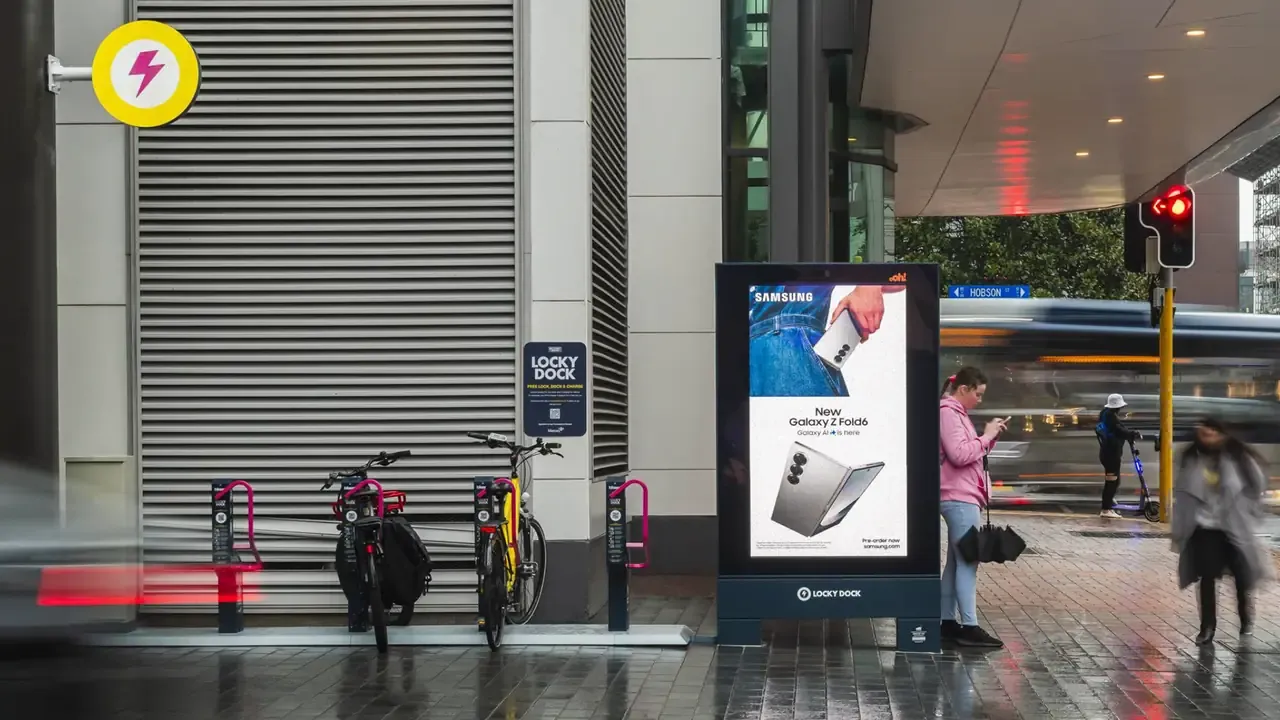
Locky Dock's media partner has set no limit on how many stations it wants. Why a bike station works as street media, and what that means for operators.
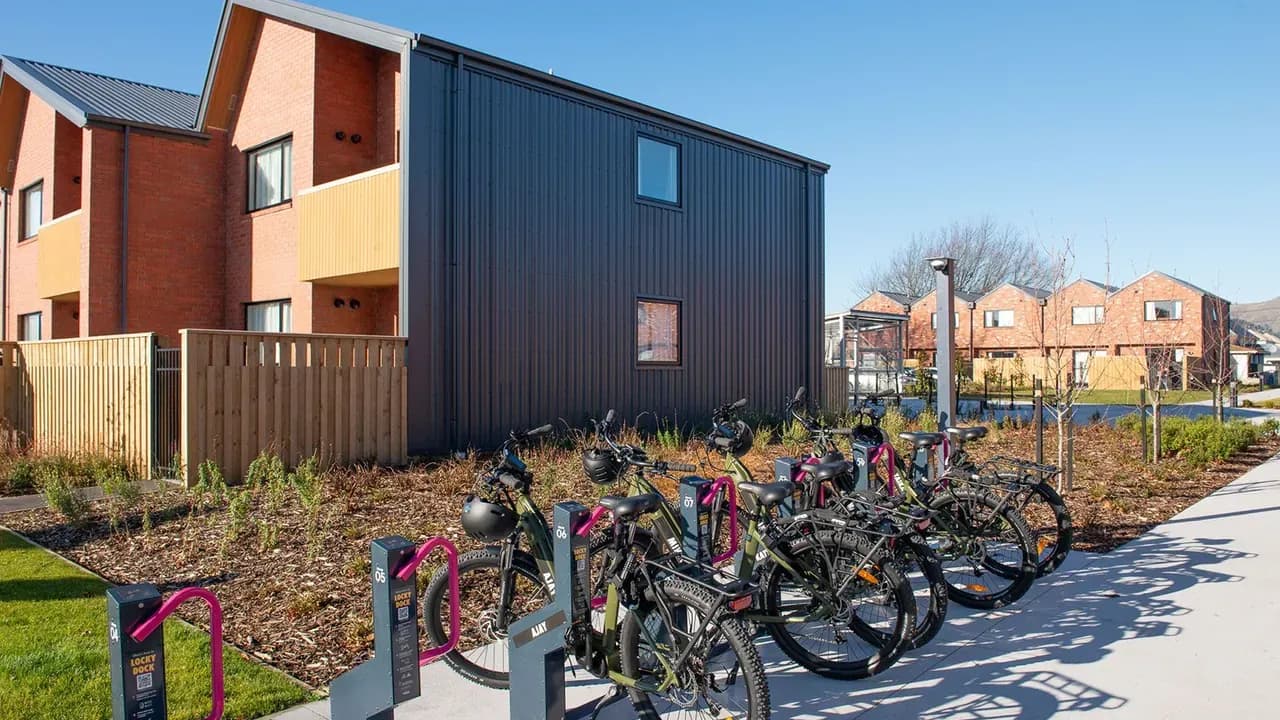
Since 2018 Big Street Bikers has grown Locky Dock to about 100 free Bikeep stations across New Zealand, with about 198,000 parkings by 14,300 riders.