Insight
The costliest bike station mistake is the wrong site
Kirsten Corson of Locky Dock names the wrong location as the costliest mistake. In an ad-funded network every site must suit riders and advertisers.
New Zealand has invested heavily in cycle tourism, and the returns reach well beyond the trails. Kirsten Corson, CEO of Locky Dock, explains why cycle tourists are such valuable visitors.
Kirsten says the New Zealand government has recognized bicycle tourism as a high-value segment. In her account, cycle tourists spend about 10% more than other tourists, "because they typically come in a day earlier and they stay a day later." At the end of the ride, "they're celebrating with a few beers and wines."
At national level the scale is significant. New Zealand's Ministry of Business, Innovation and Employment (MBIE) estimates that cycle trail users contributed more than NZ$950 million to regional economies in the year to June 2021.
Cycle tourists spend in towns, at cafés, restaurants, shops and accommodation. But a rider on an expensive e-bike is less likely to stop for lunch if there is nowhere safe to leave it.
A rider with no place to charge may also plan a shorter route. The spending that trails create can bypass a town that has neither.
A town that wants to capture that spending needs four things.
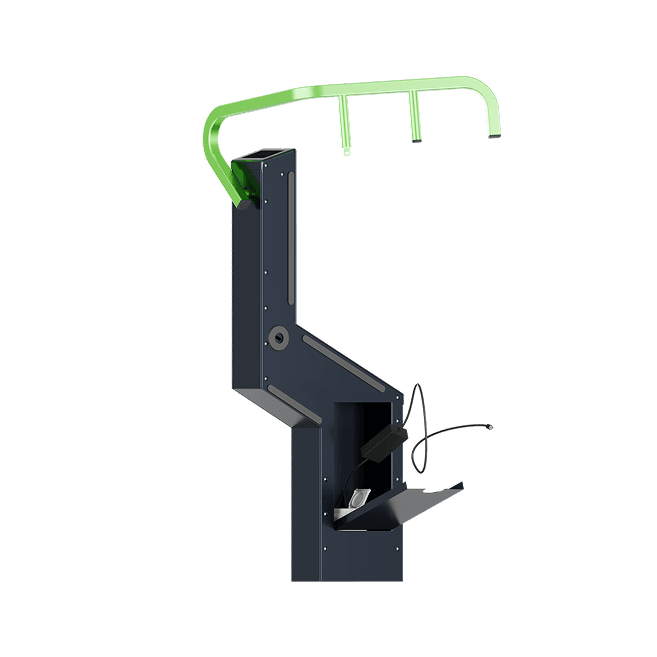
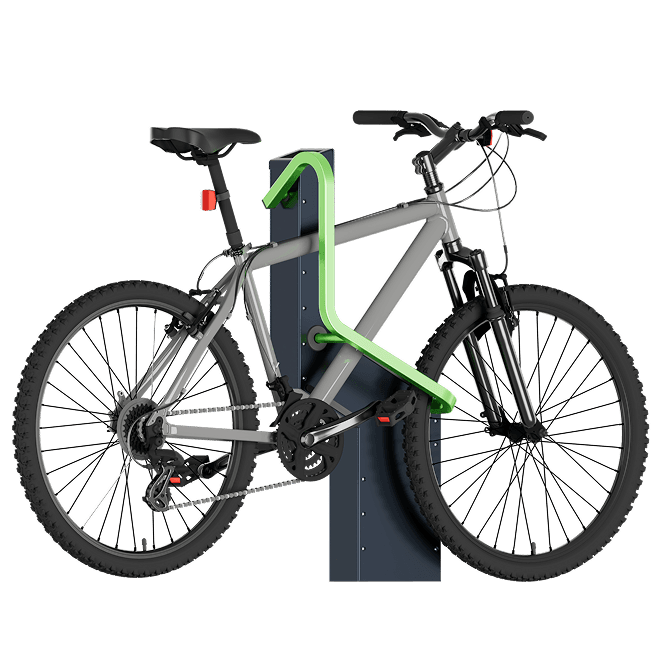
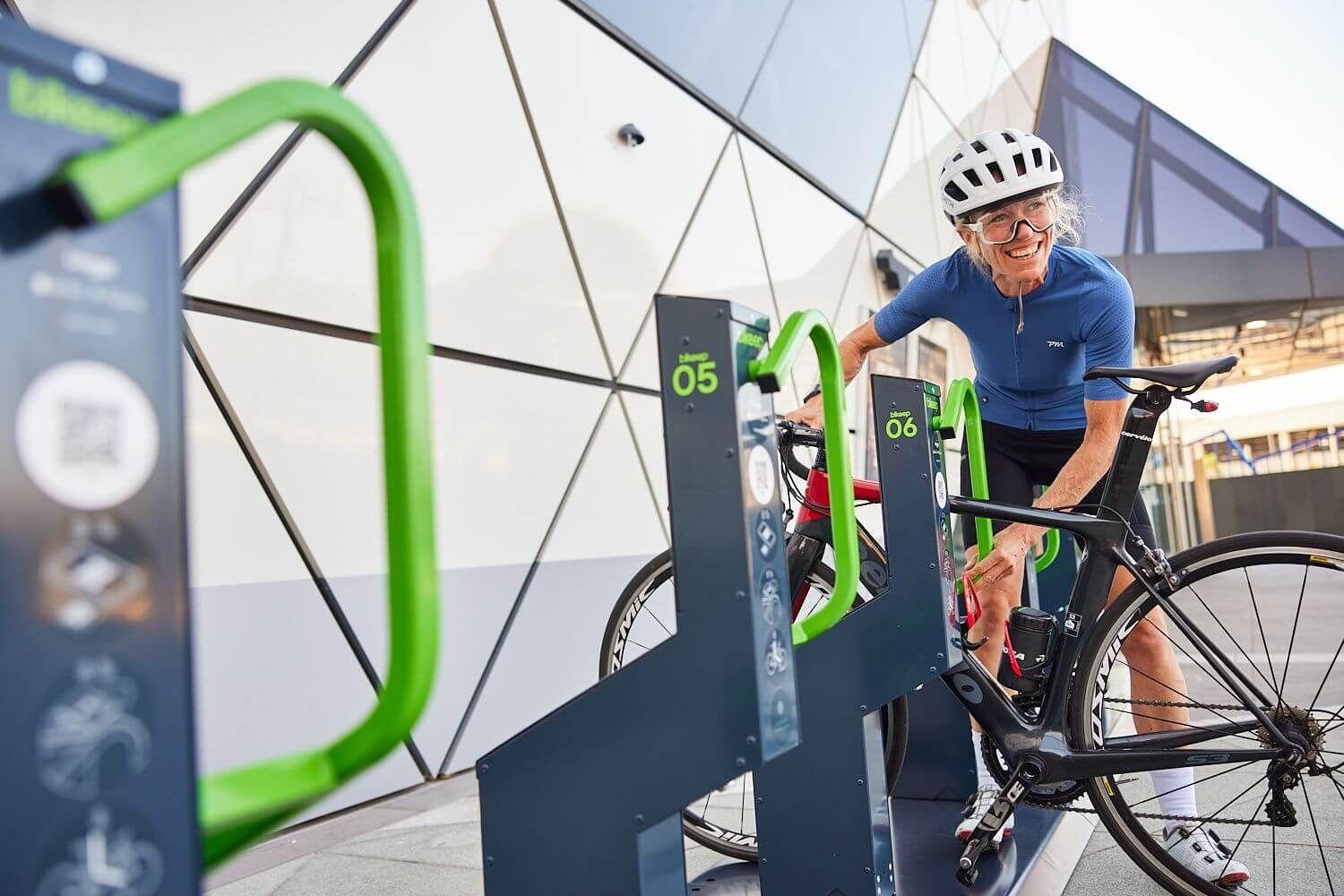
Bikeep smart bike parking with e-bike charging covers the first two.
Infrastructure built for visitors serves residents every day. The same stations support commuting, shopping trips and school runs. See the community benefits of public bike parking and charging.
Tourism regions often have funding routes beyond the council budget. These include tourism grants, regional development funds and local trusts.
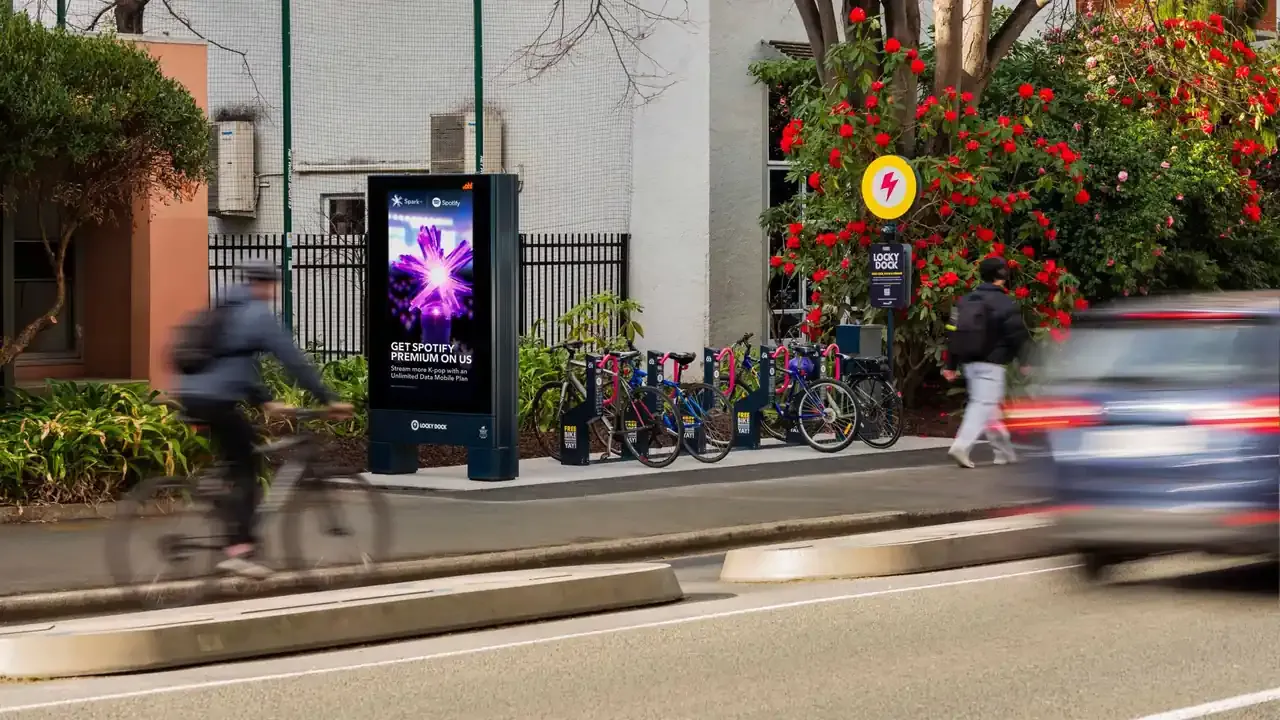
Locky Dock's Hawke's Bay stations were co-funded by central government, and its Whakatāne stations by a local trust. In busy town centers, advertising can fund the stations entirely. See how councils get free public bike parking, or the page for cities.
Bikeep stations come with usage data, so a town can see who uses them and when.
Kirsten Corson of Locky Dock says they arrive a day earlier and stay a day later than other visitors. That gives a town more time to capture their spending.
Secure parking near cafés and shops, e-bike charging, parking at trail heads and transport hubs, and clear information about where to find them.
It varies. Options include tourism grants, regional development funds, local trusts, central government co-funding and, in busy centers, advertising.
Kirsten Corson of Locky Dock names the wrong location as the costliest mistake. In an ad-funded network every site must suit riders and advertisers.
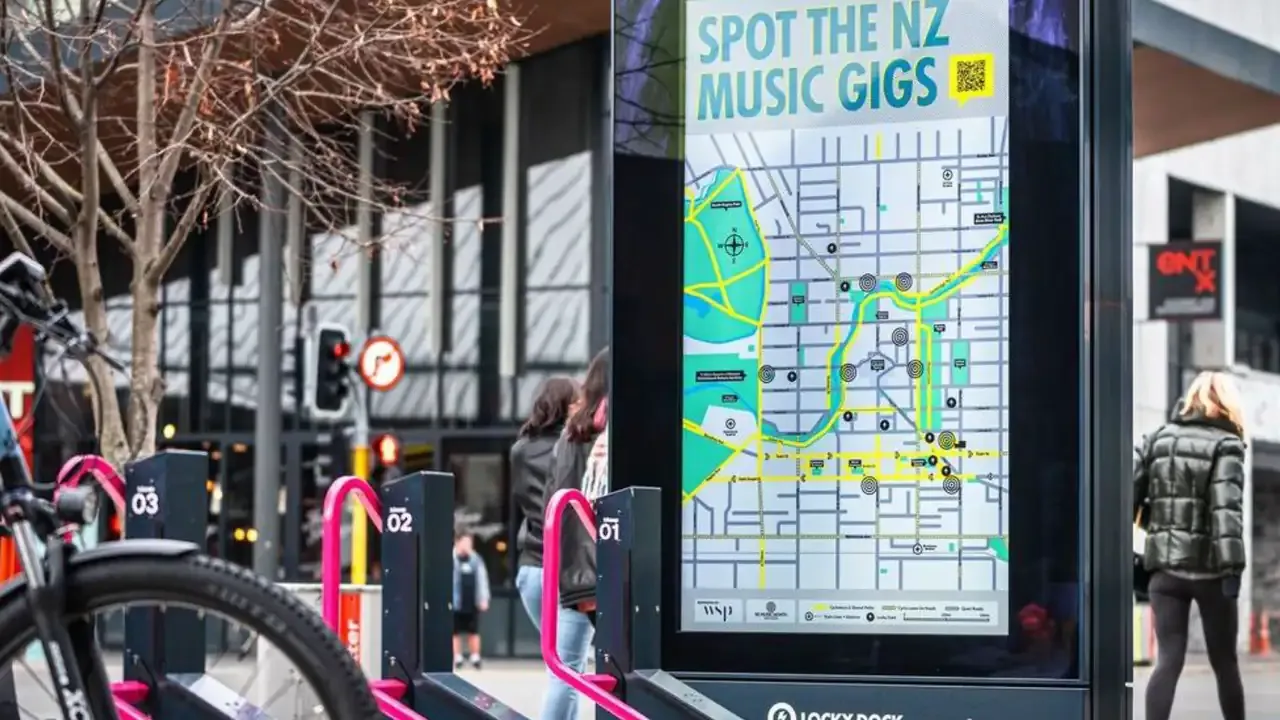
Locky Dock has sold its own ads and worked through a media company. Kirsten Corson explains why new operators should partner, and how to choose one.
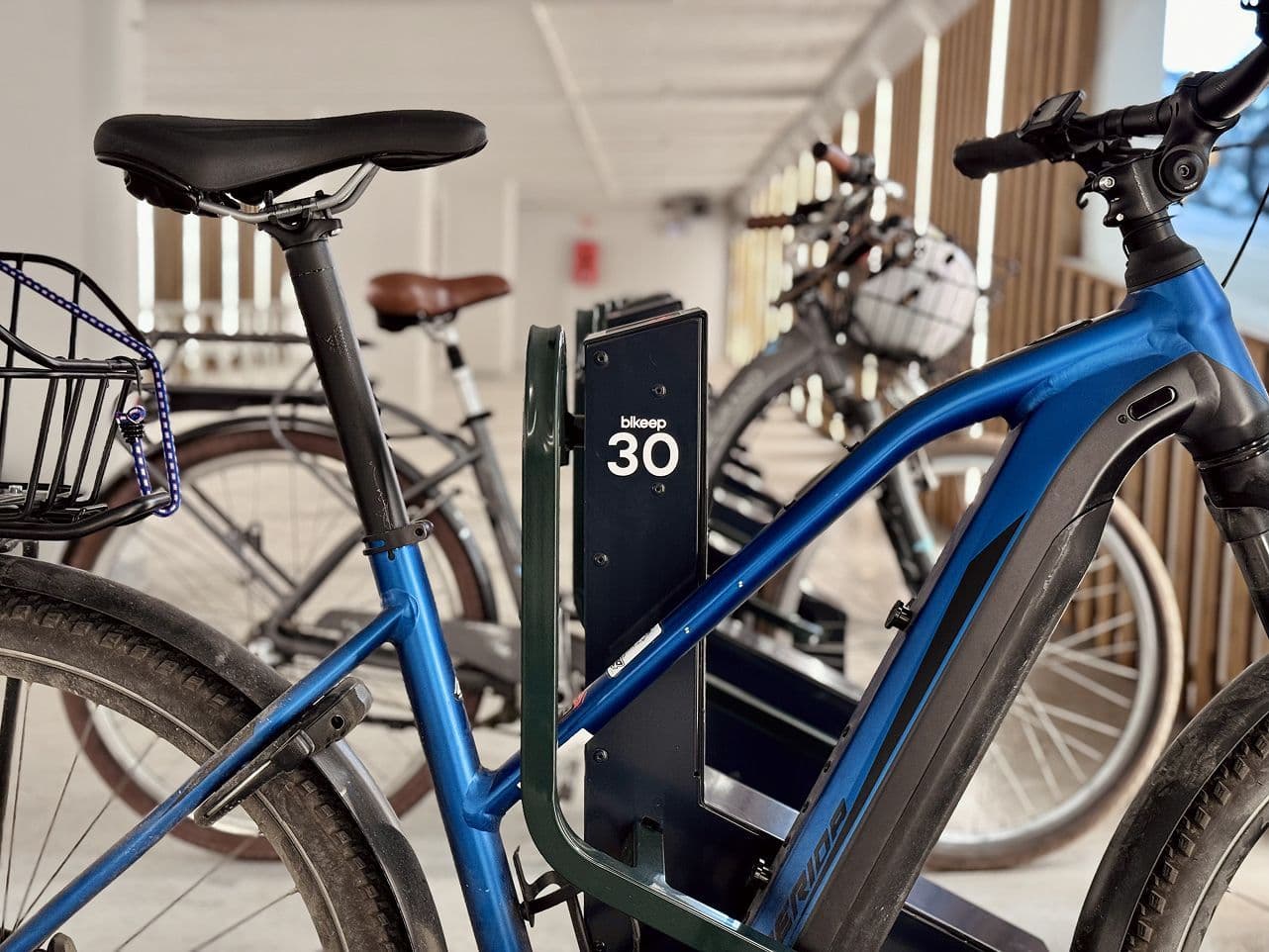
An e-bike costs about 30 cents per 100 km to run in New Zealand, against about $20 for a petrol car. Secure parking decides whether riders switch.