News
How Big Street Bikers built 100 Locky Dock stations across New Zealand
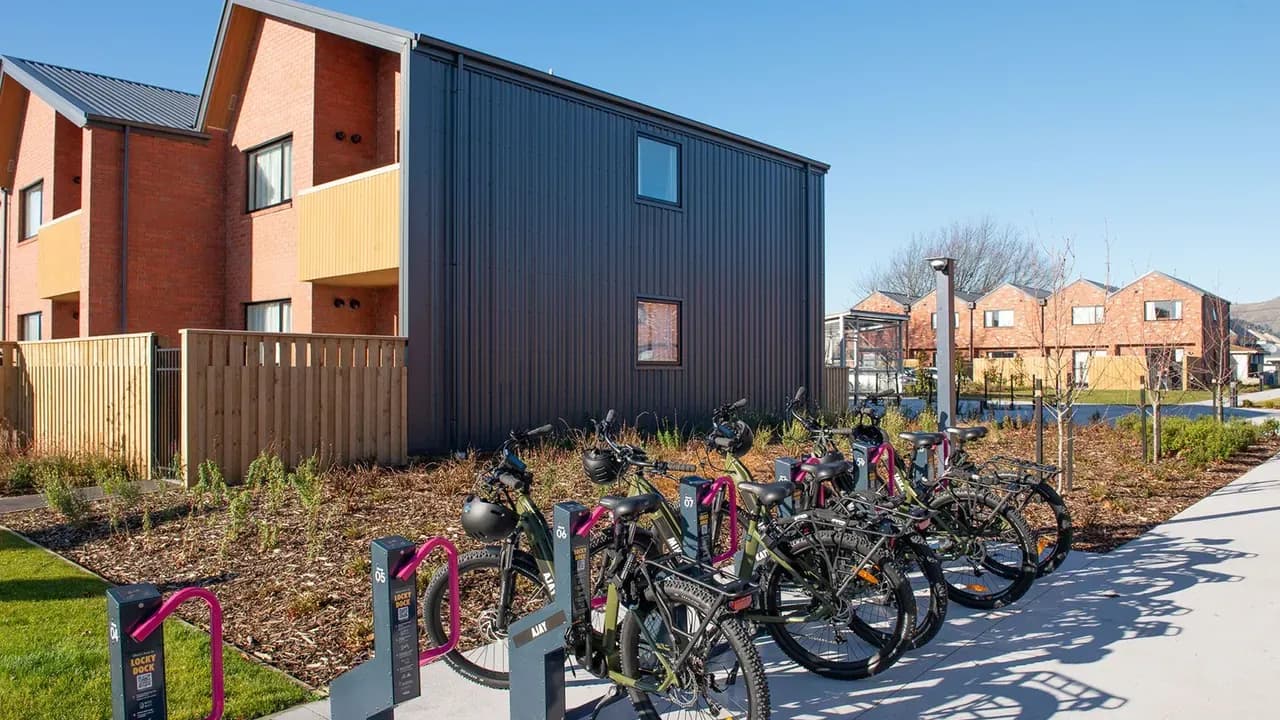
Since 2018 Big Street Bikers has grown Locky Dock to about 100 free Bikeep stations across New Zealand, with about 198,000 parkings by 14,300 riders.
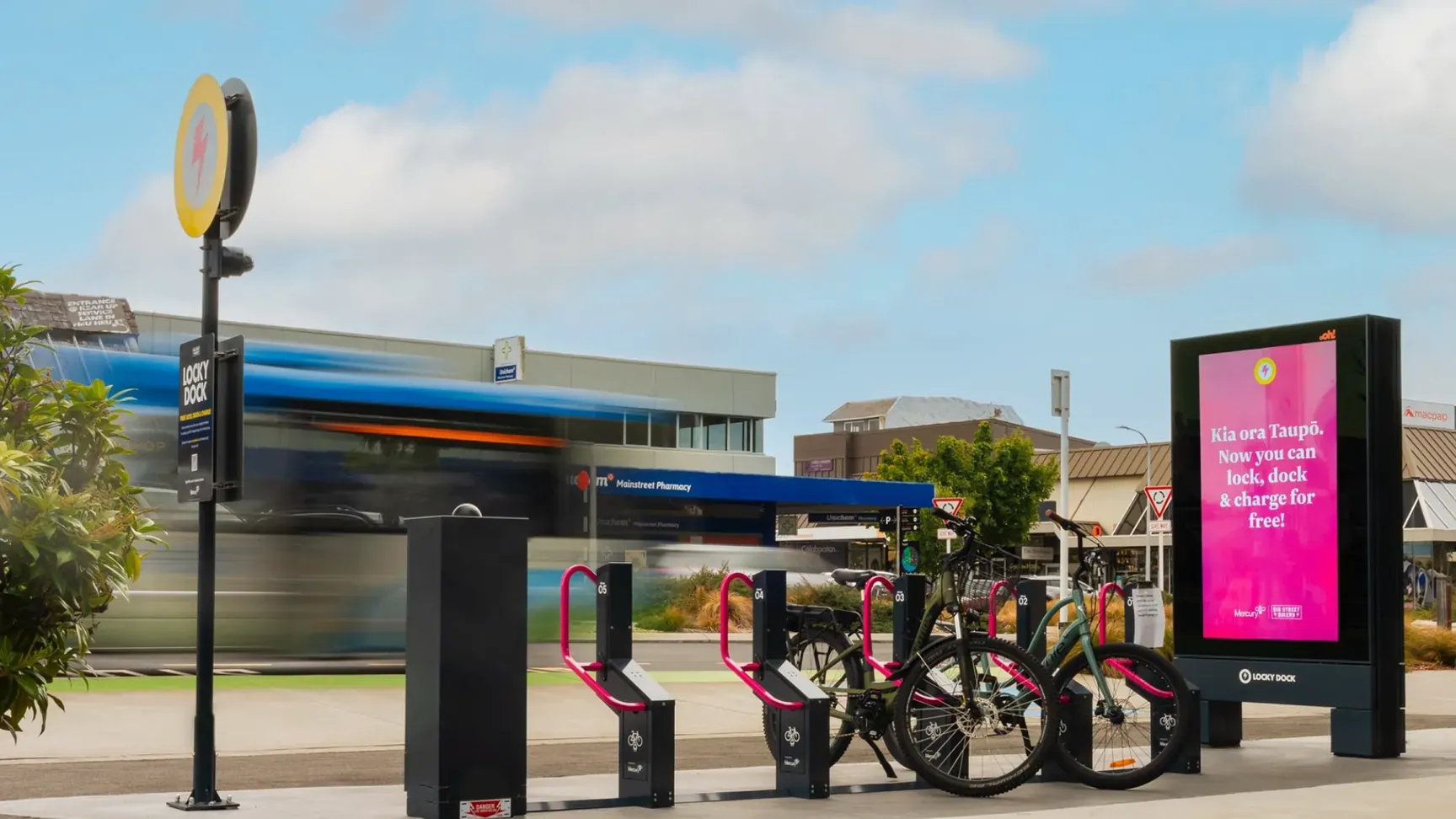
Secure bike parking has a funding problem. Councils want it and riders want it. But it competes for the same budget as roads, parks and libraries.
Locky Dock in New Zealand solved that by making the station pay for itself.
Each Locky Dock station carries digital advertising screens. Advertisers pay to appear on them, and that revenue is recurring. It covers the station, so the council pays nothing to install it and nothing to maintain it.
"We make money from annual recurring revenue from our screens, and that allows it to be free for the council to install, and no ongoing maintenance." Kirsten Corson, CEO, Locky Dock
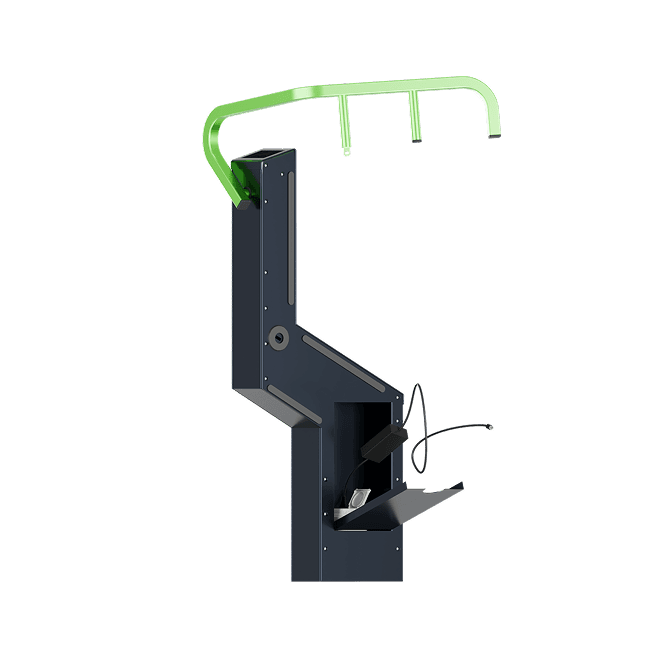
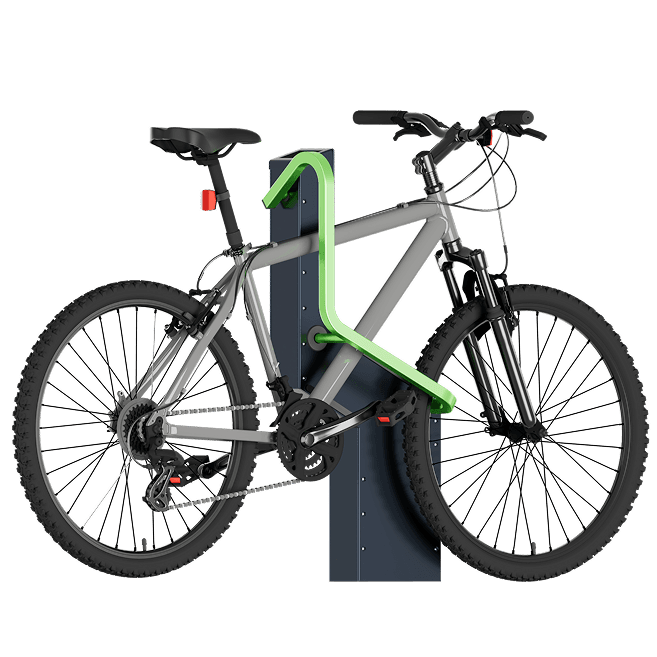
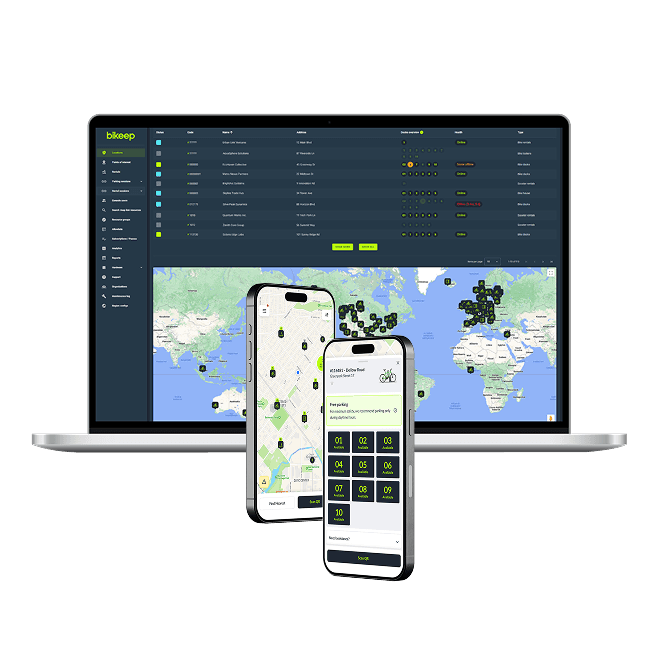
Underneath the screens sits a Bikeep smart parking station with e-bike charging. The screens sit on it. The Bikeep platform runs it.
Three groups get something out of every station.
Each group has a reason to say yes. That is why the model spreads. By 2026, Locky Dock had grown to 101 stations.
Not every bike spot is a good advertising spot. The screen needs foot traffic and visibility, the same things advertisers pay for in any street media.
That's why Locky Dock selects sites together with its media partner, oOh!media. Our article on the site selection mistake that costs operators most covers this in detail.
Locky Dock has tried both routes. It has sold ads itself, and it has worked through a media company.
Today it recommends the media partner route for new operators. The media company brings the advertisers, a sales team and location data. We compare the two options in our piece on whether to sell ads yourself or partner with a media company.
It works best in three conditions.
Where foot traffic is lower, operators often mix models. Grant or council funding covers some sites, and advertising covers the busiest. For more on how councils approach bike parking, see our page for cities.
The triple win model is one of the business models covered in our guide to starting a smart bike parking business. If you want to run it in your own city, read about becoming a Bikeep partner.
Advertisers do. They pay for space on the station's digital screens, and that recurring revenue covers the cost of the station.
In the Locky Dock model, no. The station is free for the council to install and carries no ongoing maintenance cost.
Yes. Riders park and charge their bikes at no cost.
No. Screens need foot traffic and visibility to attract advertisers, so quieter sites are often funded by grants or the council instead.
Mentioned in this article
Since 2018 Big Street Bikers has grown Locky Dock to about 100 free Bikeep stations across New Zealand, with about 198,000 parkings by 14,300 riders.
One free scoop of ice cream filled a Locky Dock station in Auckland on a Saturday. Here is how operators can use local retailers to get riders to try a station.
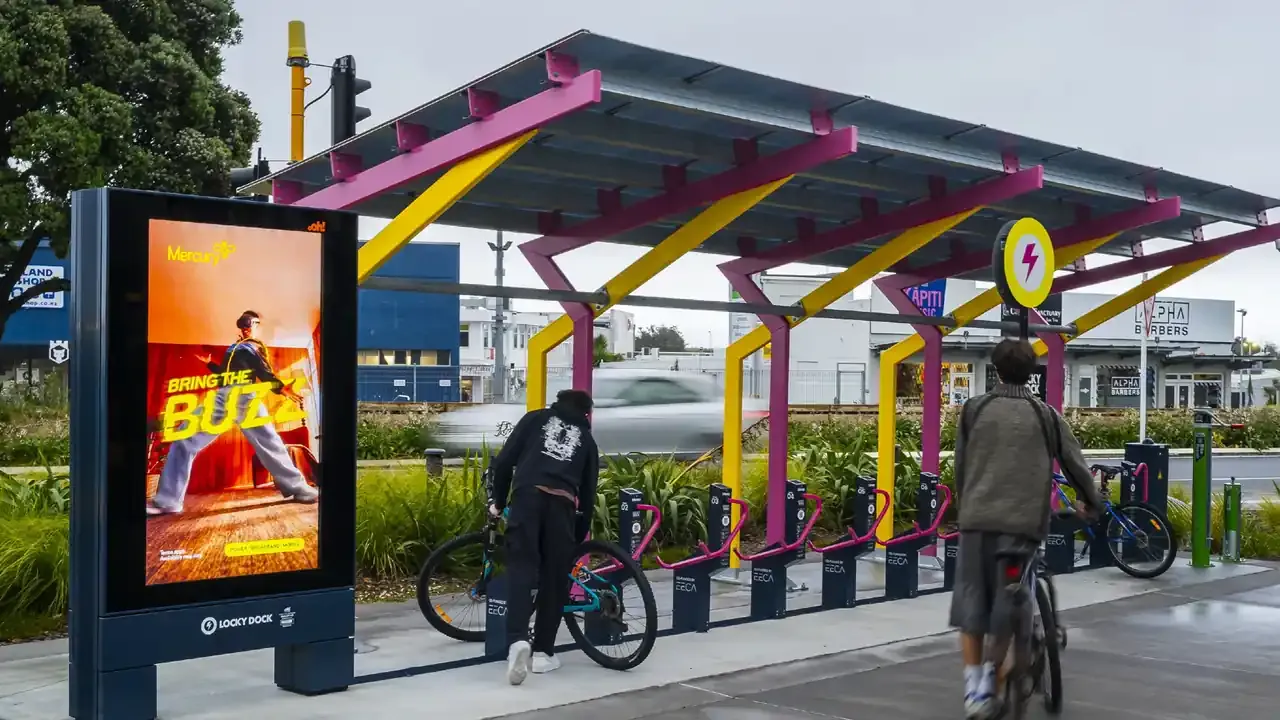
Locky Dock plans bike parking as a network at the nodes of daily life, such as libraries, supermarkets and pools. This is how to pick and rank the sites.