Insight
Councils can get public bike parking and e-bike charging for free
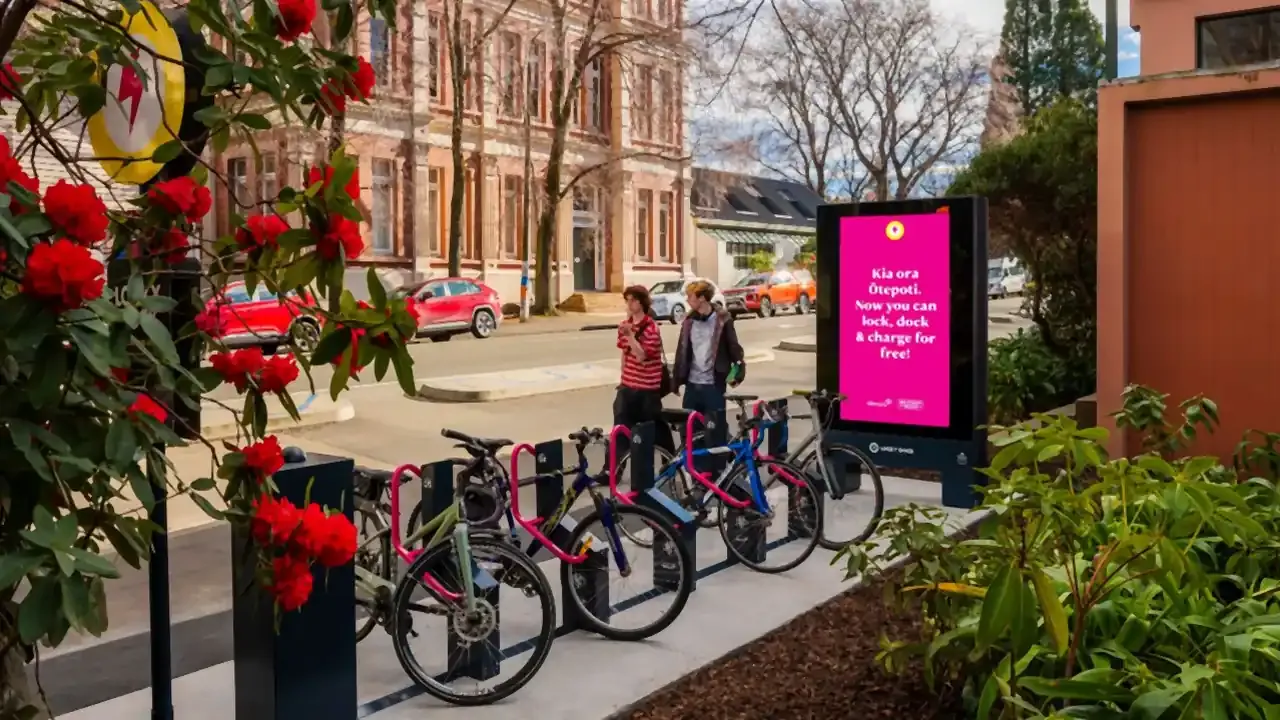
Advertising screens pay for Locky Dock stations, so councils get secure bike parking and e-bike charging without spending taxpayers' money.
Every new bike parking operator eventually sits across the table from a council. The question is the same everywhere. Why should the city back this?
Kirsten Corson, CEO of Locky Dock, works with councils across New Zealand. She has a clear answer, and it doesn't start with the product.
"The majority of cyclists are worried about bike theft," Kirsten says. "When you survey, you look at international studies, look at New Zealand studies, they say the same thing. That is a massive barrier to the uptake of cycling."
Owners who don't trust where they would leave a bike may keep driving. An e-bike is a valuable machine, so the worry grows. Start the pitch with the barrier, not the station.
"City councils are looking to support public transport, they're looking to support cycling, looking to support mode shift," Kirsten continues. "So having a solution like the Bikeep stations that can support that shift is really appealing."
Secure parking supports the trips that other cycling spending is meant to create.
Launch loudly, measure usage from day one, and report back. The data from the first stations is what wins the next ones.
Councils weighing the wider picture can start with the Bikeep page for cities. Operators who want to take this pitch to councils in their own country can read about becoming a Bikeep partner.
Theft is a major barrier to cycling, and councils want more people cycling. Secure parking removes the barrier, which is why Kirsten leads with it.
Not in the Locky Dock model. Advertising on the station screens pays for the stations.
Pitch a network. A council can agree a set of sites across the city rather than a one-off pilot.
Advertising screens pay for Locky Dock stations, so councils get secure bike parking and e-bike charging without spending taxpayers' money.
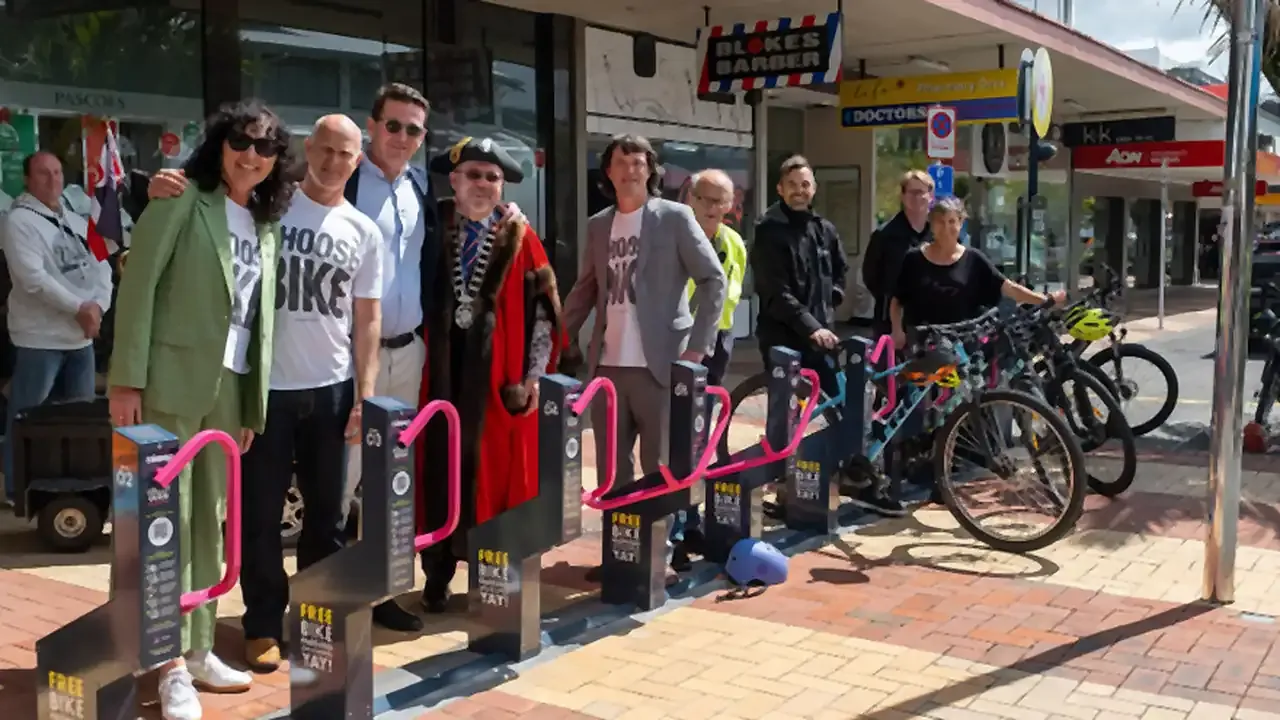
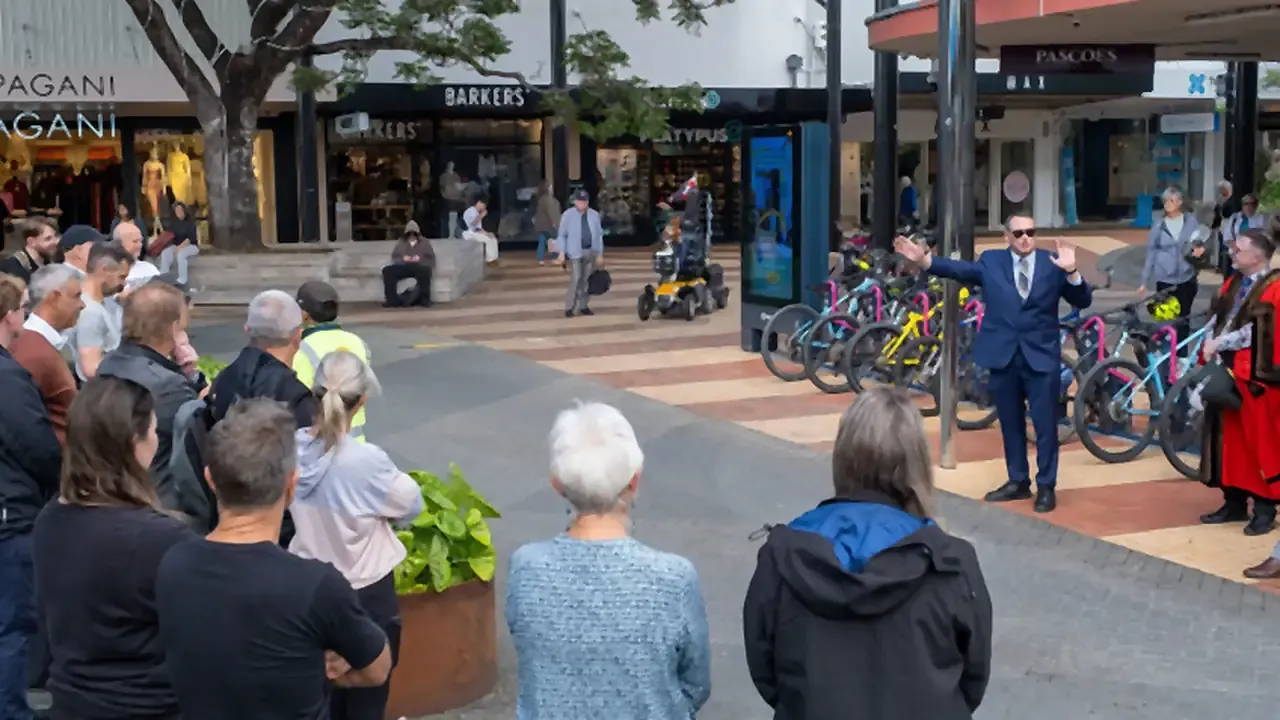
A mobility scooter user in Whangārei showed Locky Dock what public charging means for a town. The benefits councils can point to go well beyond cycling.
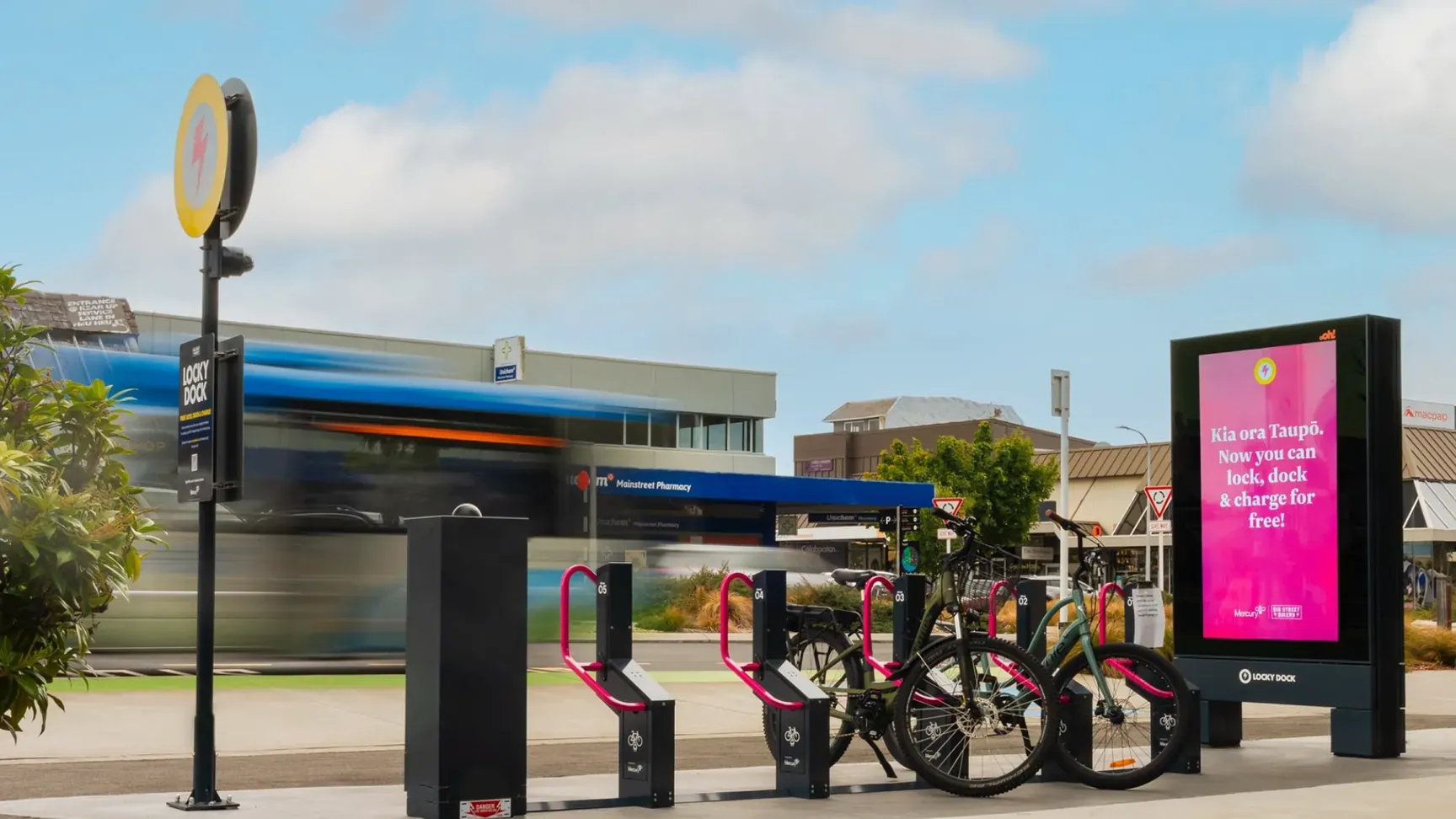
Digital advertising screens let Locky Dock offer free bike parking and e-bike charging to councils and riders. This is how the triple win model works.