Insight
Advertising pays for free bike parking in the triple win model
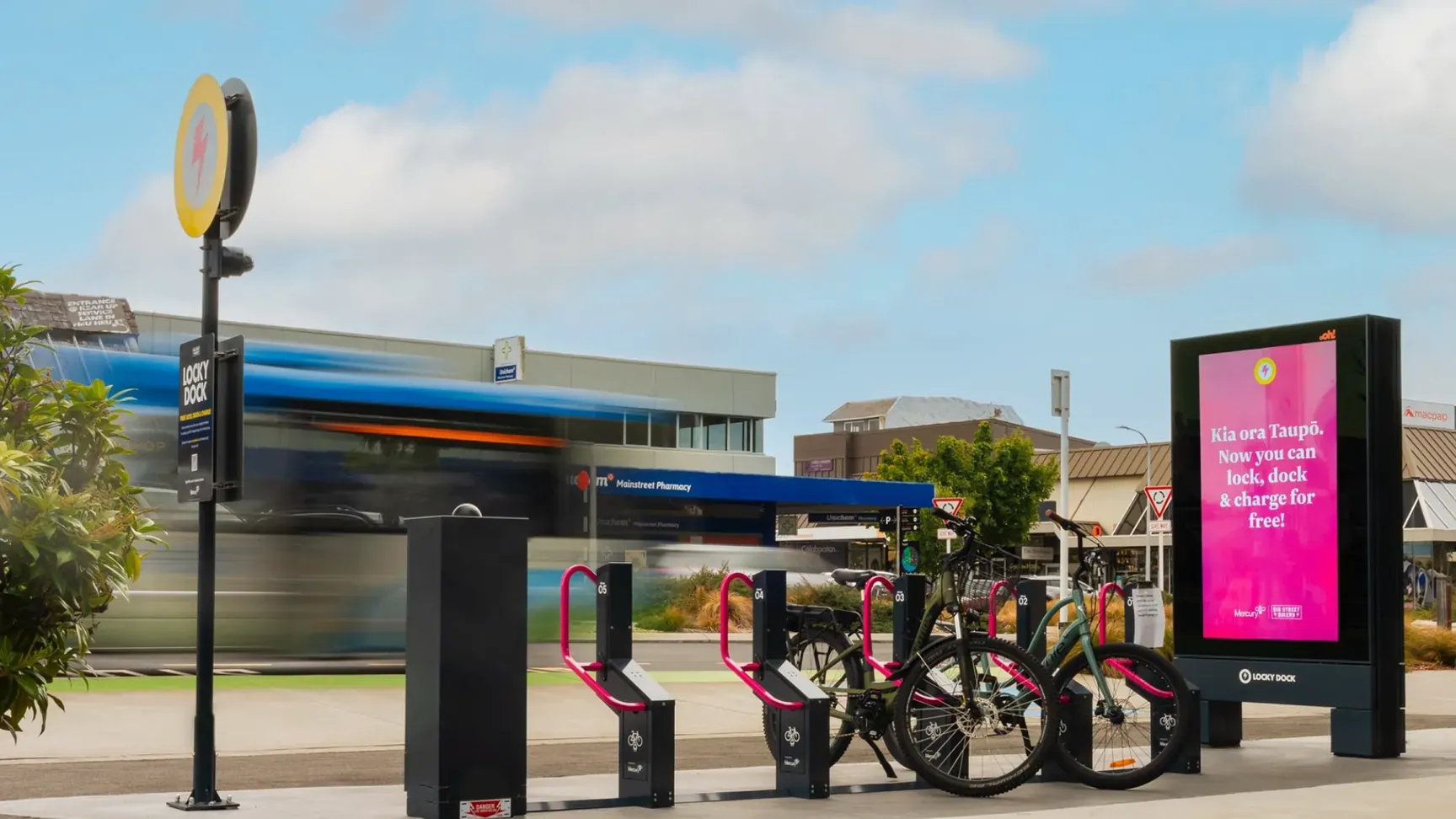
Digital advertising screens let Locky Dock offer free bike parking and e-bike charging to councils and riders. This is how the triple win model works.
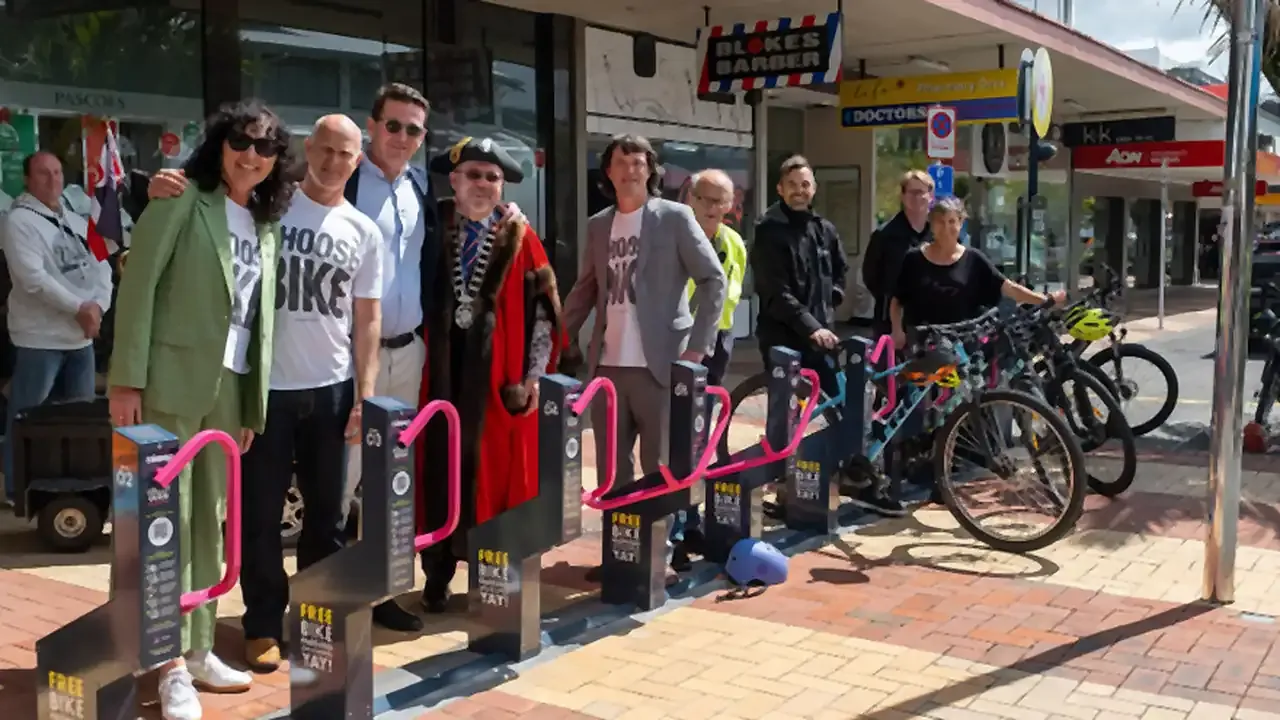
When a city plans bike parking, it usually plans for cyclists. At the launch of Locky Dock's network in Whangārei, New Zealand, the team met someone the stations were never designed for.
He told them what the stations meant to him.
Locky Dock says New Zealand's Minister of Health attended the launch. A man arrived at the station on a mobility scooter, and Kirsten Corson, CEO of Locky Dock, tells the story.
"He said for him it's life changing, because he could never get across town to see his sister. But now he can stop and charge his mobility scooter at the Bikeep station, and he can now get to the other side of the city to see his sister, and then he charges on the way home as well." Kirsten Corson, CEO, Locky Dock
Kirsten's conclusion was short. "There's applications that we'd never thought of."
A public charging point turns a one-way range into a round trip. For e-bike riders that means longer commutes. For mobility scooter users it can mean reaching family, shops or health services across town.
That is an accessibility case, and it sits next to the cycling case when you talk to a council. The man in Whangārei charged at a Bikeep station. Bikeep's smart stations with e-bike charging are the kind of station Locky Dock runs.
Five benefits give a council something to put in a report, and the accessibility one is the easiest to overlook.
Councils weighing the wider case can start with the Bikeep page for cities.
"The community come and celebrate when we roll out Locky Docks," Kirsten says.
A launch is a chance to show residents what has changed. It is also a chance to collect stories like the one above, which make the case for the next station. Locky Dock had 101 stations in New Zealand as of 2026. Our earlier piece on Locky Dock and oOh!media in Whangārei covers the network there.
In the Locky Dock model, advertising on the station screens pays. Riders park and charge for free, and Kirsten says the council pays nothing to install. We explain the model in how advertising funds free bike parking.
Operators who want to build a network in their own market can read about becoming a Bikeep partner.
E-bike riders, and as Locky Dock found in Whangārei, mobility scooter users. Kirsten says there are "applications that we'd never thought of."
Kirsten describes a mobility scooter user charging at a Bikeep station in Whangārei. Check the charging setup of any planned site with the operator.
Not at Locky Dock stations. Advertising funds them, and riders park and charge for free.
Yes. The Bikeep platform logs sessions, so usage data is available rather than guesswork.
Digital advertising screens let Locky Dock offer free bike parking and e-bike charging to councils and riders. This is how the triple win model works.
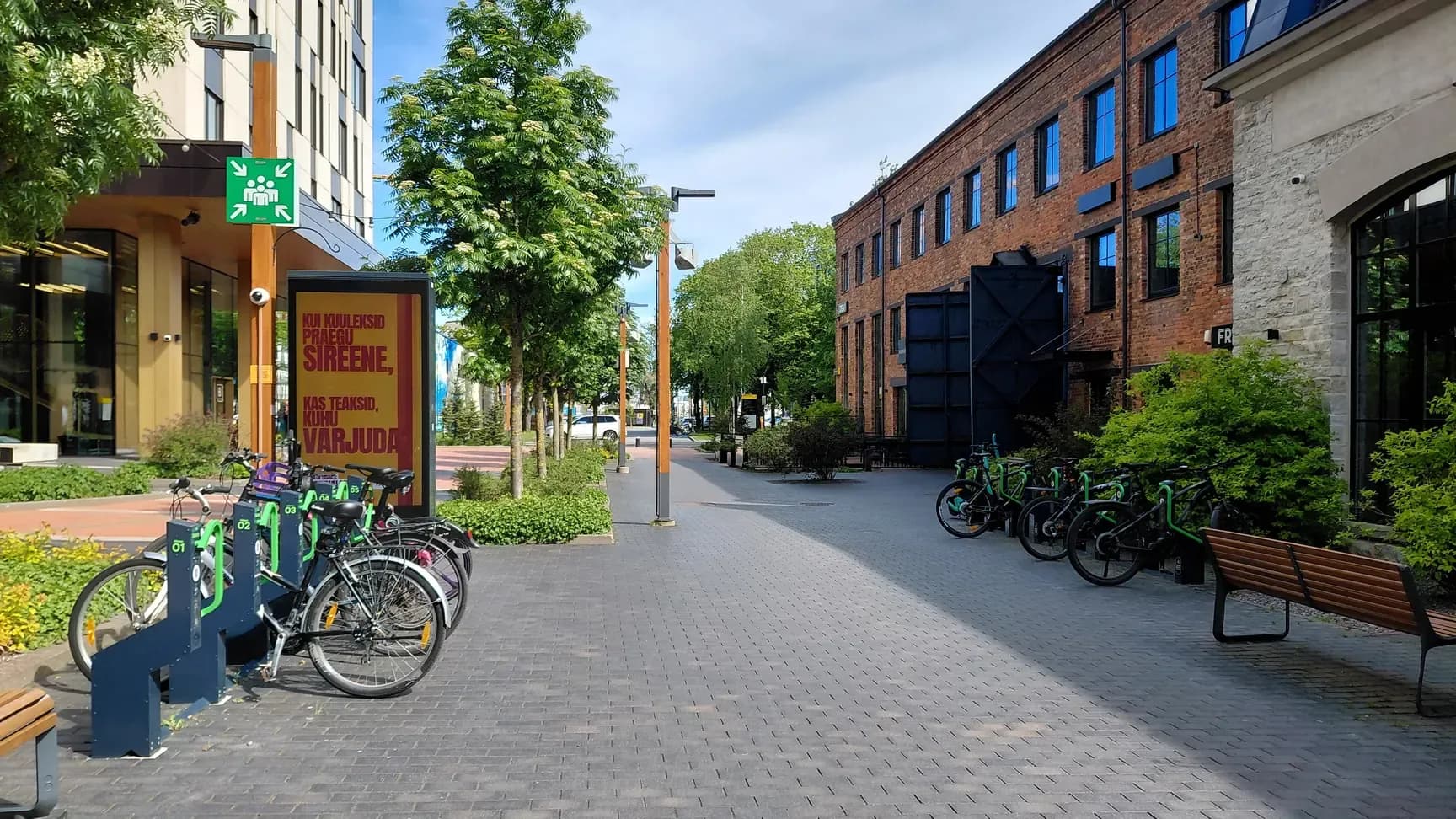
Ülemiste City in Tallinn built a campus-wide smart bike parking network. Riders rate it 4.89 out of 5, and no bike has been reported stolen from a station.
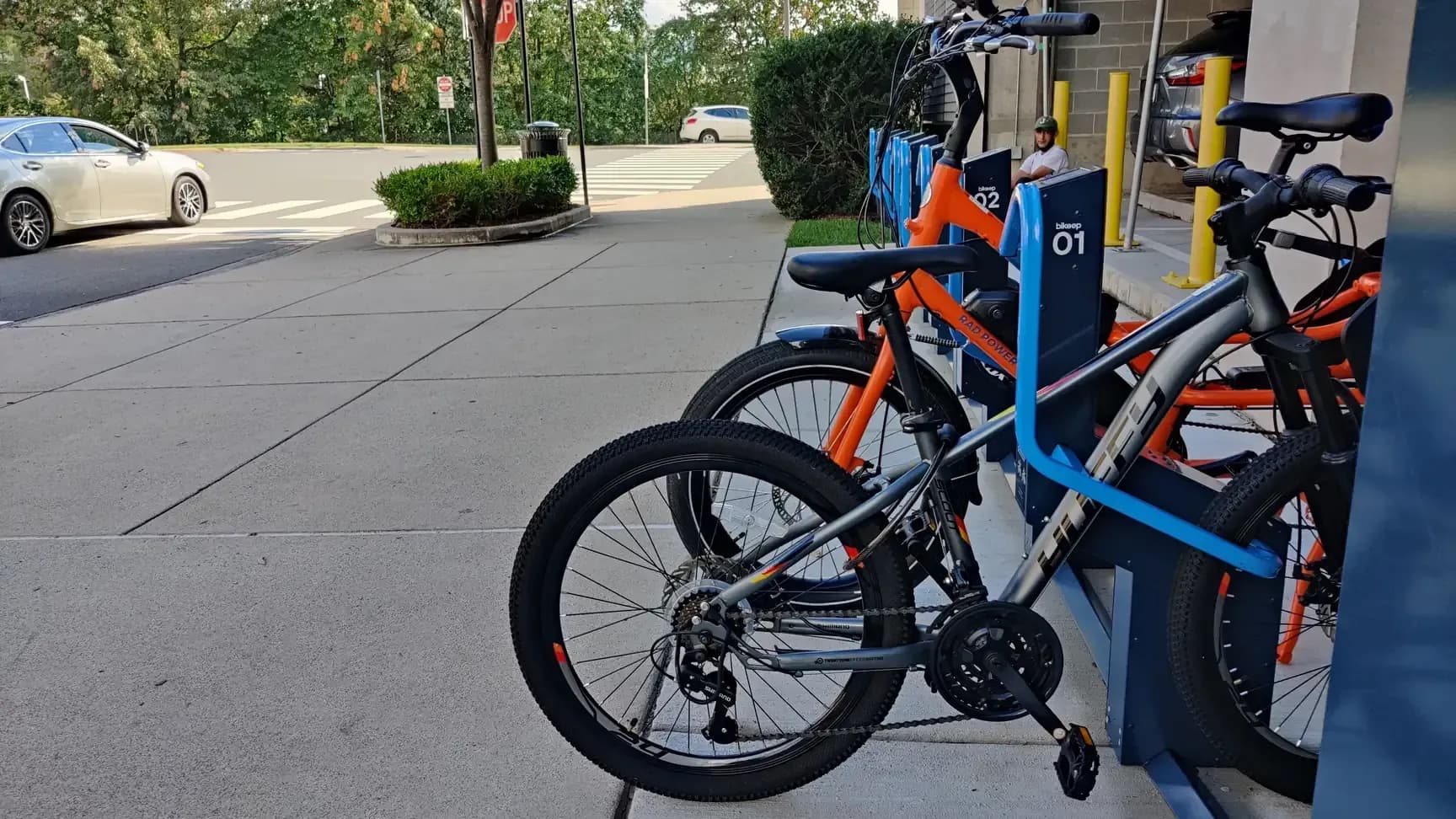
Bike theft keeps office tenants off their bikes. At Cityview Plaza in San Jose, a 10-dock secure bike parking station recorded zero thefts in two years.