Insight
The costliest bike station mistake is the wrong site
Kirsten Corson of Locky Dock names the wrong location as the costliest mistake. In an ad-funded network every site must suit riders and advertisers.
Fuel prices have put transport costs back on every household's list. Kirsten Corson, CEO of Locky Dock, puts the case for cycling into four numbers.
In New Zealand, an e-bike costs about 30 cents per 100 km to run, against about $20 for a petrol car. These are Kirsten's figures, in New Zealand dollars, and they cover energy only.
| Mode | Approx. energy cost per 100 km (NZD) |
|---|---|
| Petrol car | about $20 |
| Electric car | about $3 |
| E-bike | about 30 cents |
| Pedal bike | $0 |
"If you're driving a car in New Zealand, it's going to cost you around $20 per 100 kilometers. Even if you're in an EV, it's going to cost you around $3. If you're on a pedal-powered bike, it's going to cost you nothing. But if you're on an e-bike it's going to cost you around 30 cents per 100 kilometers." Kirsten Corson, CEO, Locky Dock
Cars also carry insurance, parking, maintenance and depreciation. Those widen the gap further.
Kirsten links the savings to health.
"We can help put savings in the back pocket of New Zealanders, and we can help with health benefits for New Zealand if we can adopt more people into cycling." Kirsten Corson, CEO, Locky Dock
For a council, that is two policy goals met by the same trip.
The running cost argument is strong. Yet many e-bike owners still drive into town, for three usual reasons.
Secure, connected parking with charging answers all three. That is why theft is at the center of how to pitch secure bike parking to a city council.
Running-cost figures like these give a council three practical uses.
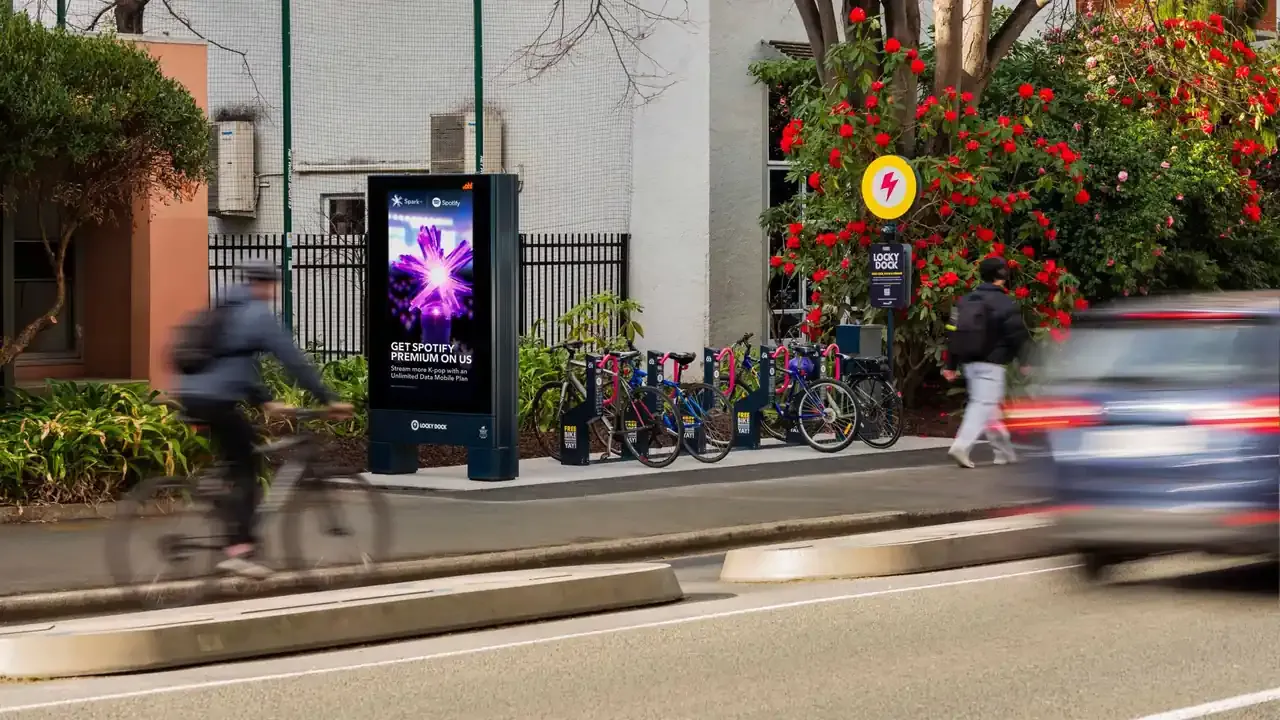
Locky Dock runs free parking and charging at 101 stations in New Zealand, on Bikeep hardware and software. Advertising pays for them, so the council and the rider pay nothing.
Our article on how councils get free public bike parking and e-bike charging explains how that works.
Yes, by a wide margin. In New Zealand, Kirsten Corson of Locky Dock puts the energy cost at about 30 cents per 100 km for an e-bike and about $20 for a petrol car.
On energy alone, yes. Her figure for an EV is about $3 per 100 km, around ten times the e-bike.
No. They cover energy only. A car's other running costs make the gap wider.
Kirsten Corson of Locky Dock names the wrong location as the costliest mistake. In an ad-funded network every site must suit riders and advertisers.
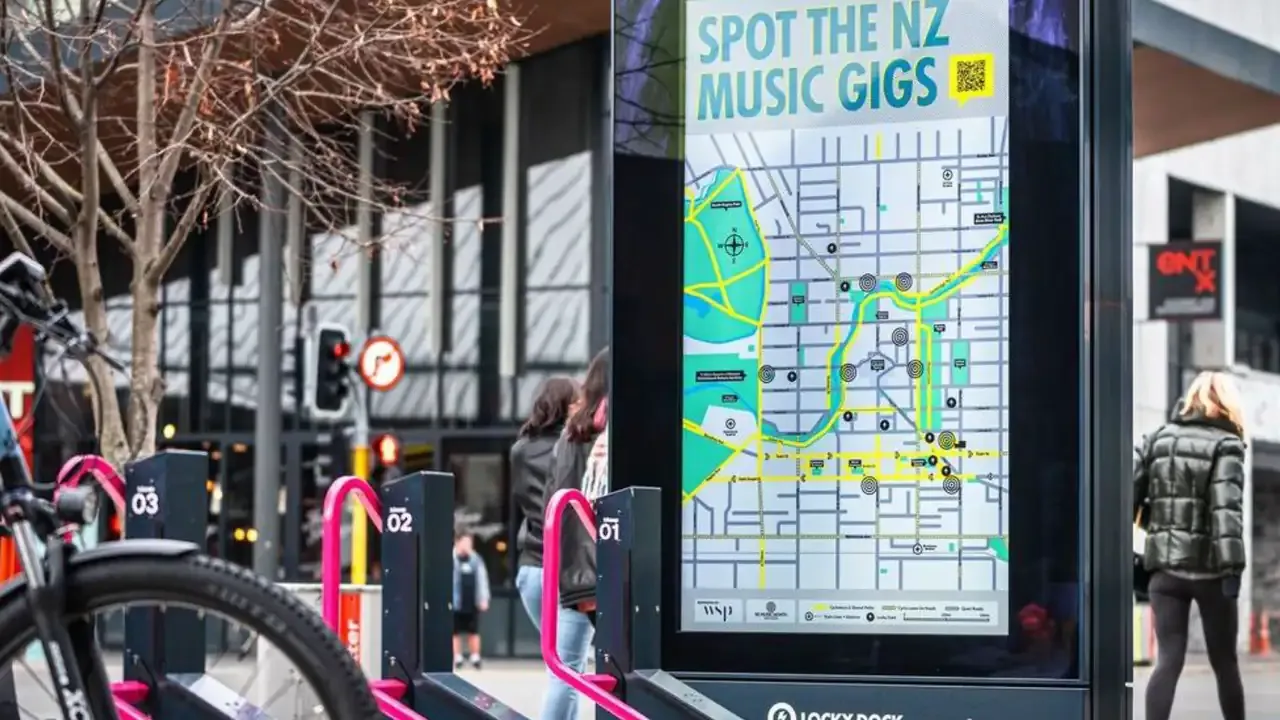
Locky Dock has sold its own ads and worked through a media company. Kirsten Corson explains why new operators should partner, and how to choose one.
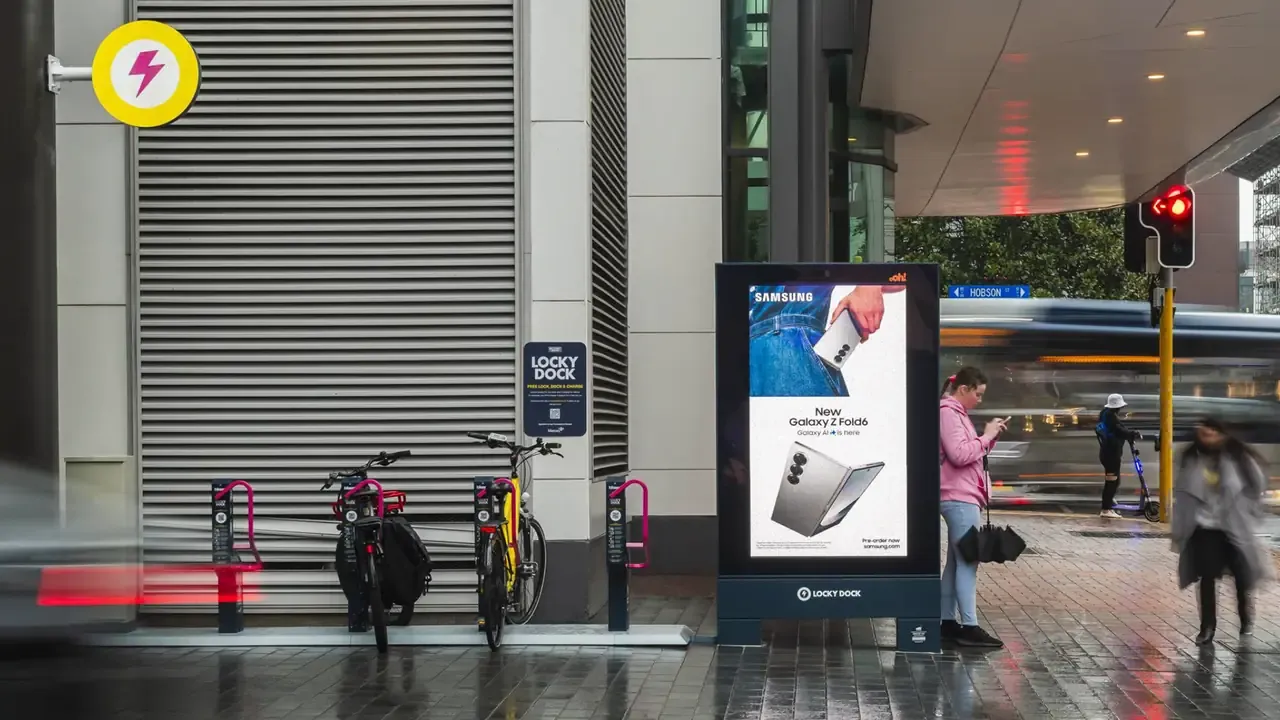
Locky Dock's media partner has set no limit on how many stations it wants. Why a bike station works as street media, and what that means for operators.