Insight
An e-bike costs cents to run where a car costs dollars
An e-bike costs about 30 cents per 100 km to run in New Zealand, against about $20 for a petrol car. Secure parking decides whether riders switch.
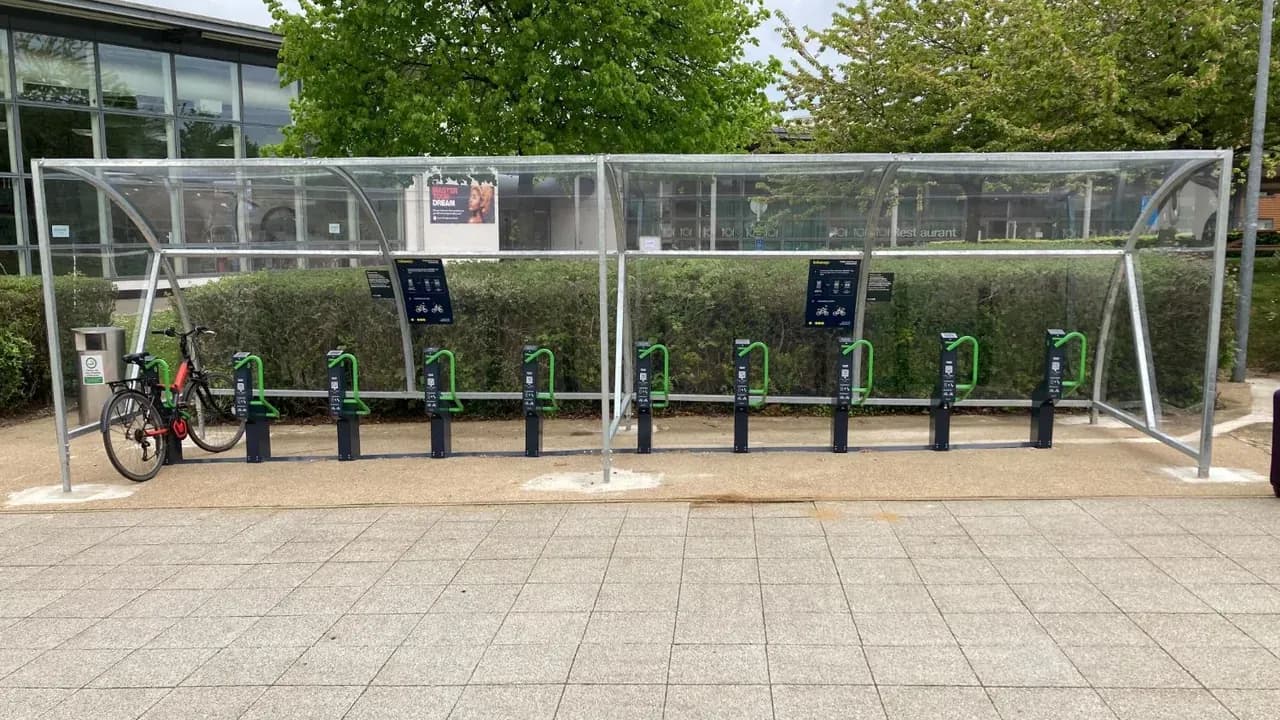
In December 2021 Cyclepods, Bikeep's partner in the UK, opened a Bikeep smart bike parking station at the University of Hertfordshire's campus in Hatfield. Students and staff park for free and unlock with the Bikeep app.
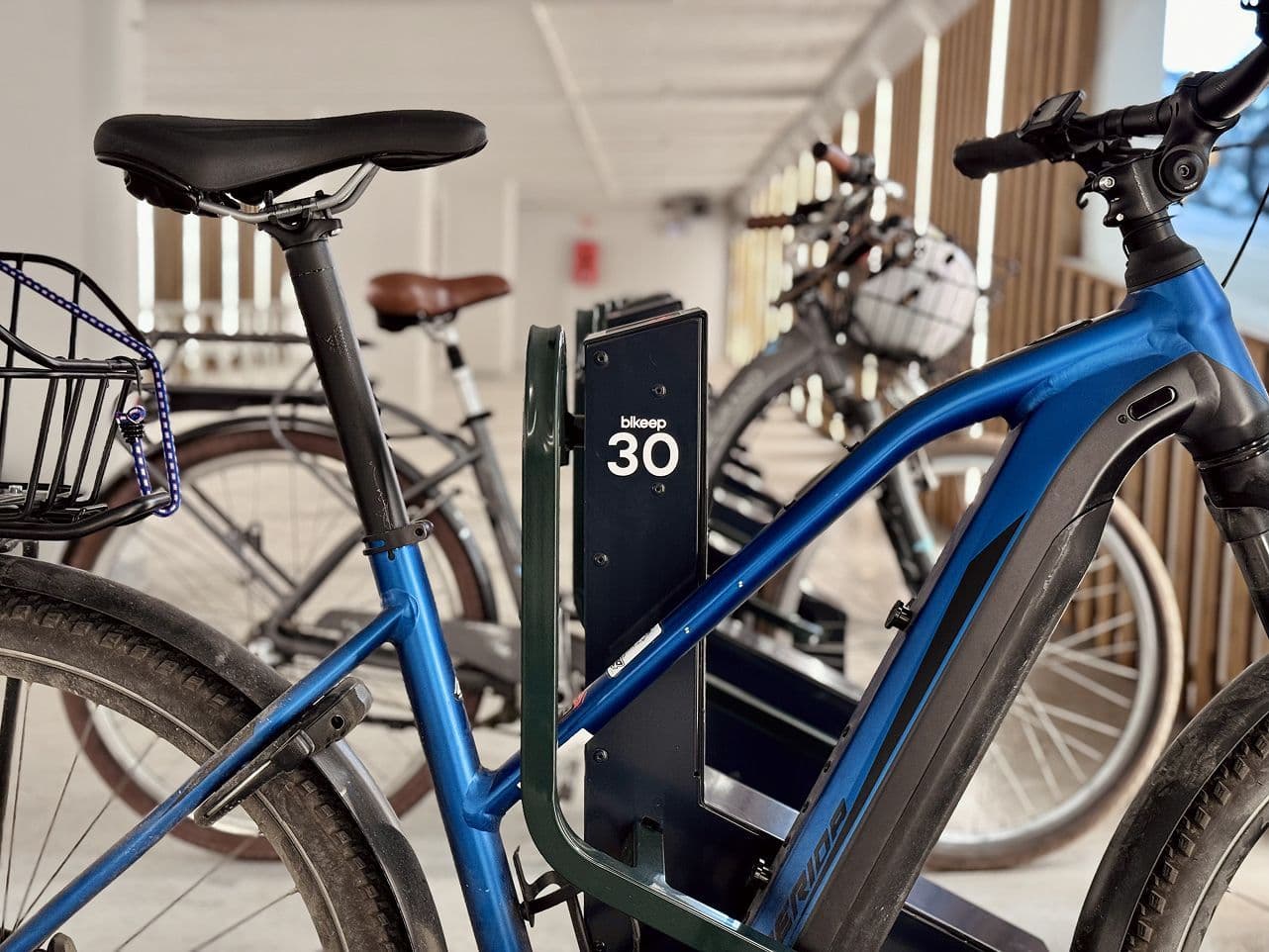
The first ten-dock station proved its worth. The university then added two more ten-dock stations at Car Park B, so there are now three stations with 30 docks across the campus. Together they have logged about 11,200 parkings by around 500 riders, without a single bike stolen.
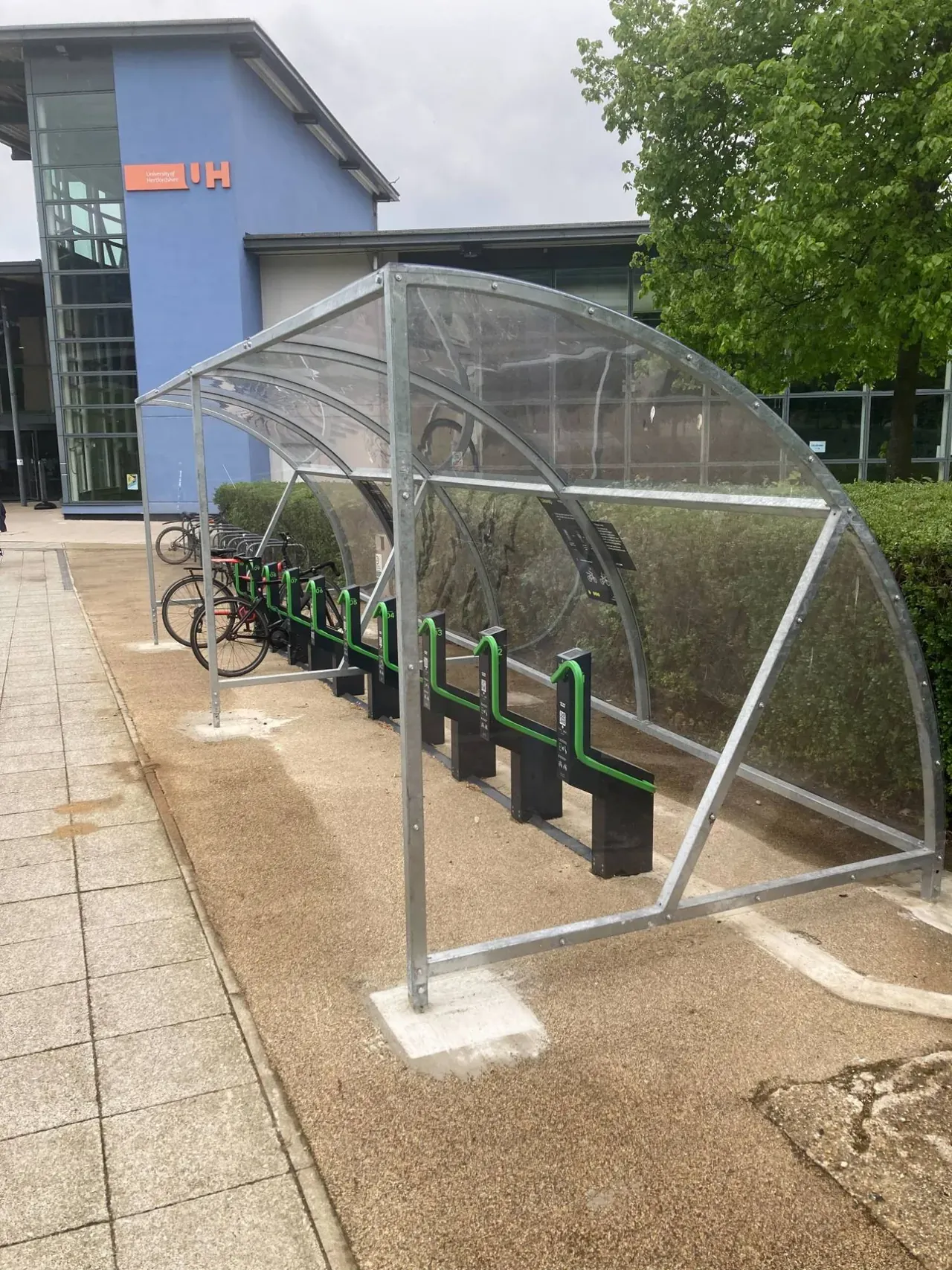
Campuses are large, and students and staff need an easy, low-effort way to get around them. Secure parking at the places people go removes the worry of leaving a good bike, or an e-bike, outside all day.
"Providing these easily accessible cycling facilities across campuses like the University of Hertfordshire helps students to create healthier, more sustainable travel habits." David Leach, MD, Cyclepods
The stations also give the university data on when and where people park, which helps it plan campus travel. Bikeep stations already served other campuses at the time, including UCLA in California.
How to plan a rollout like this is in How to roll out secure bike parking on a university campus. More on bike parking for universities.
An e-bike costs about 30 cents per 100 km to run in New Zealand, against about $20 for a petrol car. Secure parking decides whether riders switch.
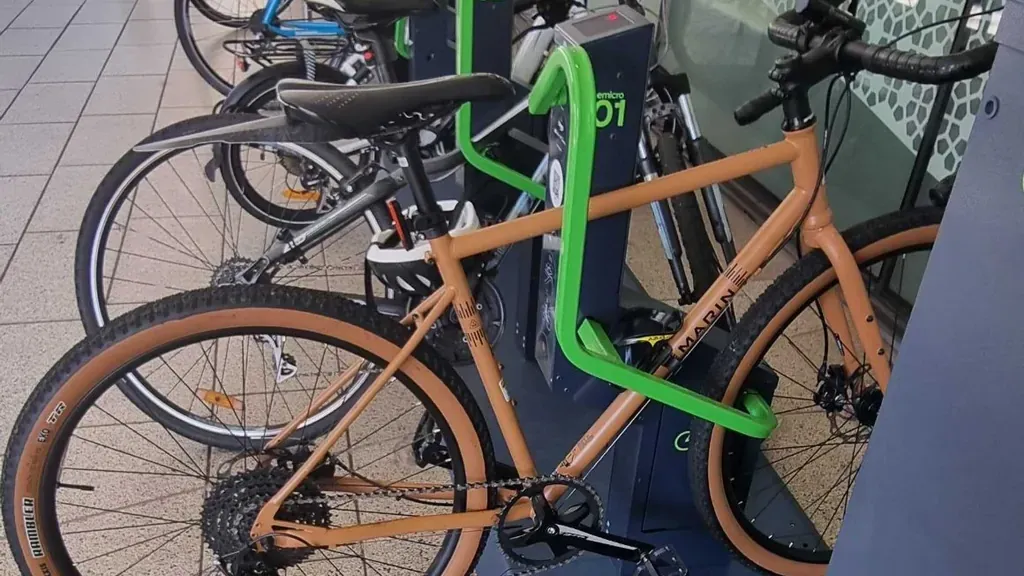
UNSW Sydney charges e-bikes outside its buildings. Ten docks have carried more than 8,000 parkings, a model for US universities moving charging outdoors.
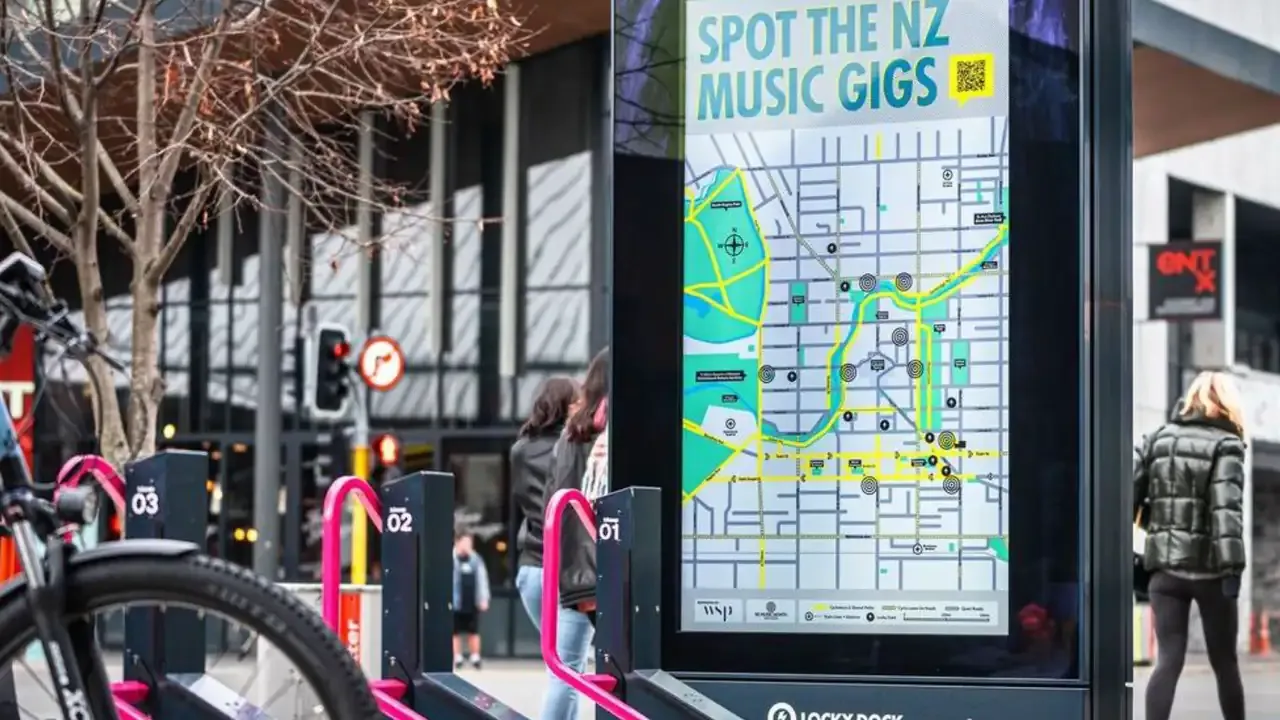
Locky Dock has sold its own ads and worked through a media company. Kirsten Corson explains why new operators should partner, and how to choose one.