Insight
Two lessons for scaling a bike parking business
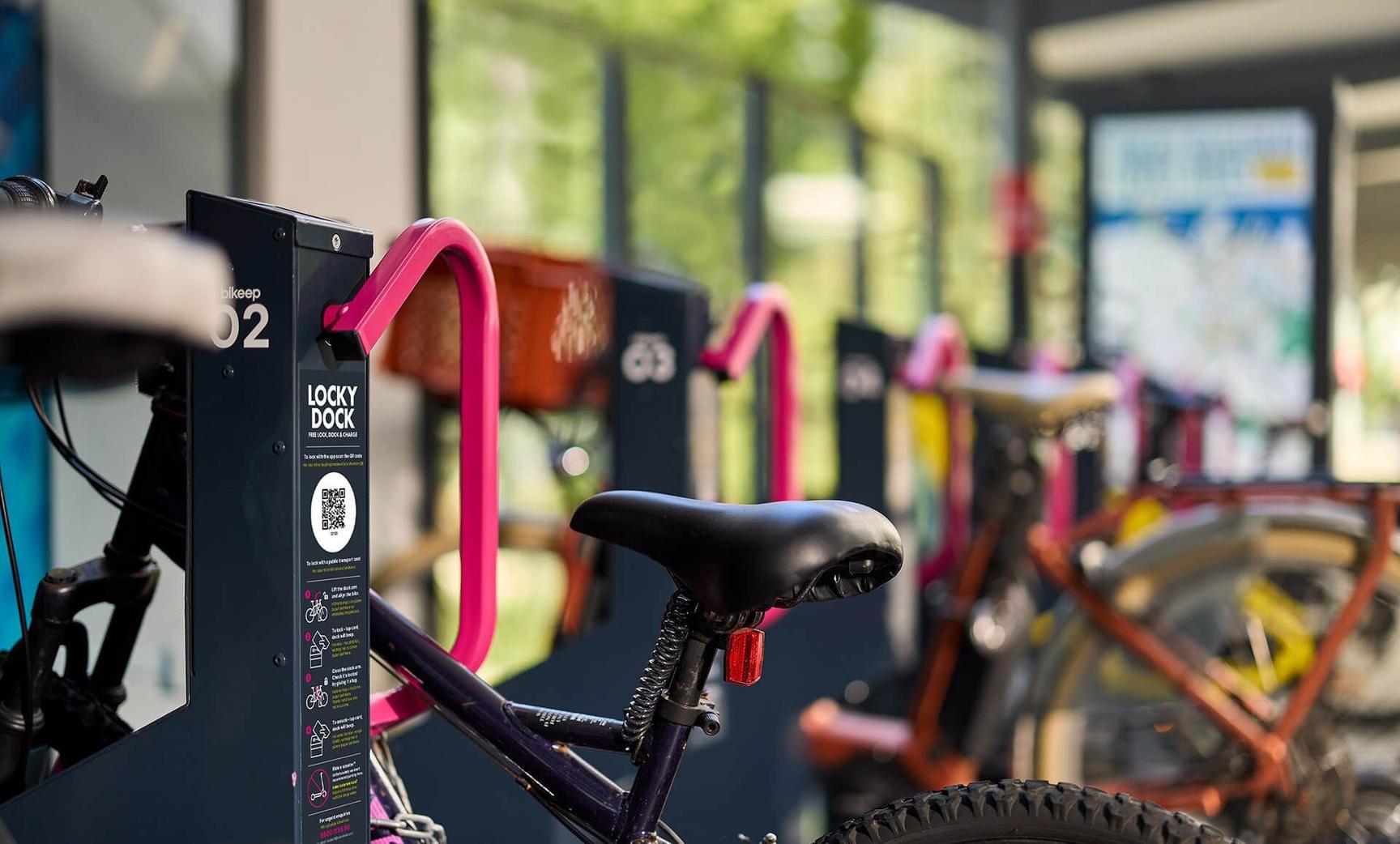
Kirsten Corson of Locky Dock has two lessons for new operators. Fund stations with a media model, and build the pipeline with head-office agreements.
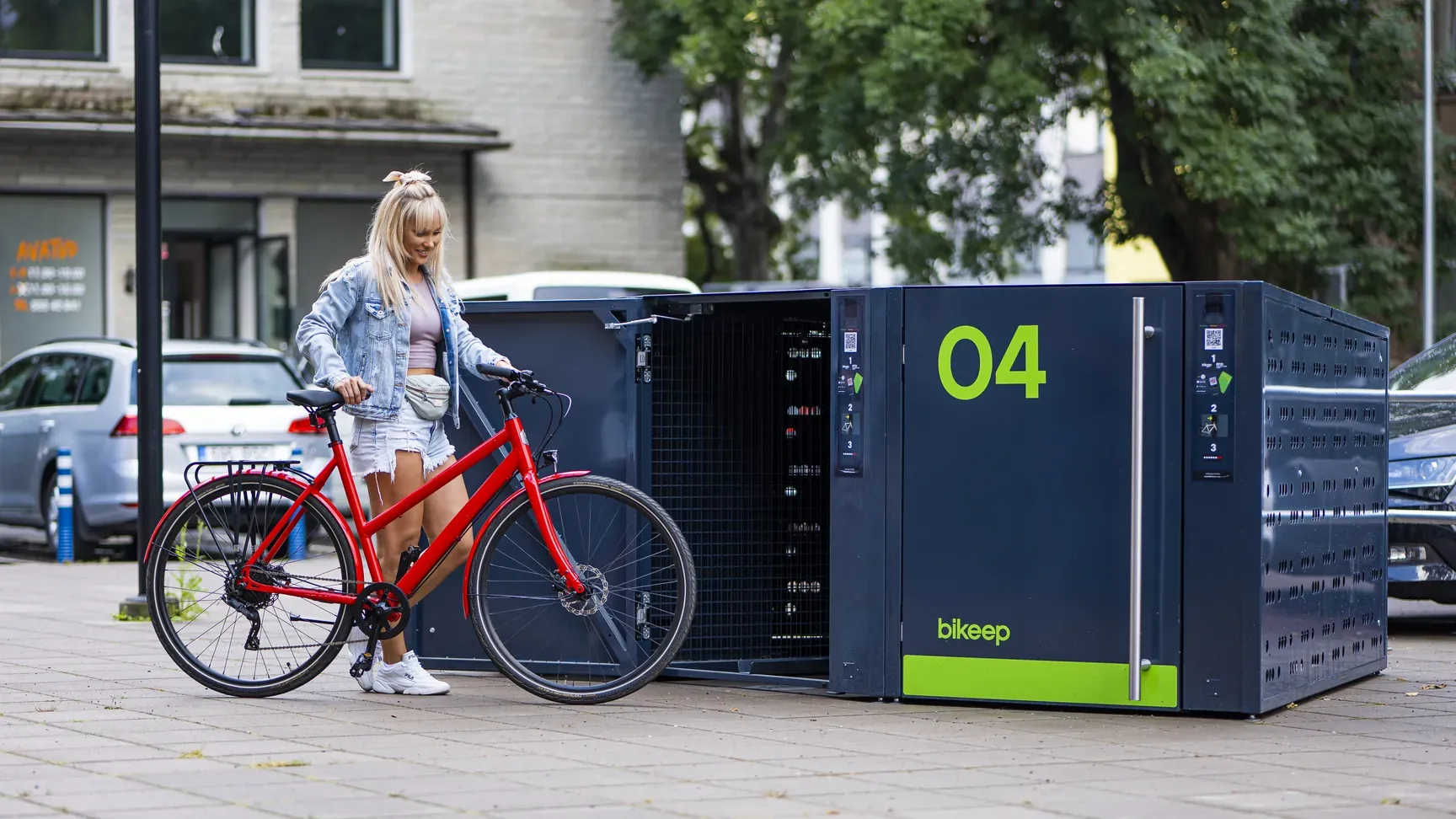
The right commercial bike parking depends on how long people park and how much their bikes are worth. Racks and smart docks suit short visits. Smart docks, lockers and bike rooms suit all-day stays at offices, campuses and stations. Residents parking overnight need lockers, a hangar or a locked bike room.
Most buyers start with a site, a budget and riders asking for safe parking. Catalogs list every rack and locker but rarely say which one fits where. Racks that riders don't trust sit empty.
Theft is what makes the choice matter. An estimated 2.4 million adult bikes are stolen in the US every year, according to a 2025 study in Findings.
Commercial bike parking comes in five main types. They differ in how they secure the bike, how long people can leave it and how much running they need.
A bike rack holds the bike while the rider locks it with their own lock. US, UK and German guidance prefer the inverted-U rack, or Sheffield stand in the UK, which supports the frame at two points. The Association of Pedestrian and Bicycle Professionals (APBP) advises against wave racks and racks that grip only the front wheel. Racks cost little and need almost no management, but they protect only what the rider locks.
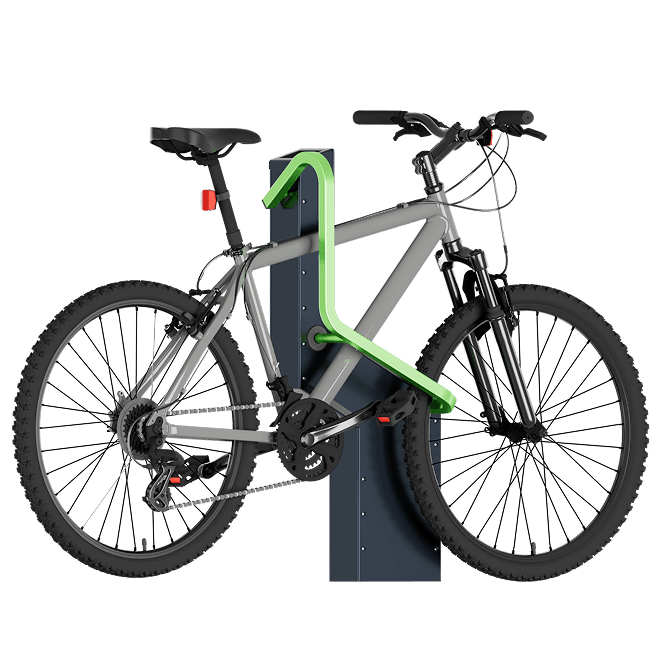
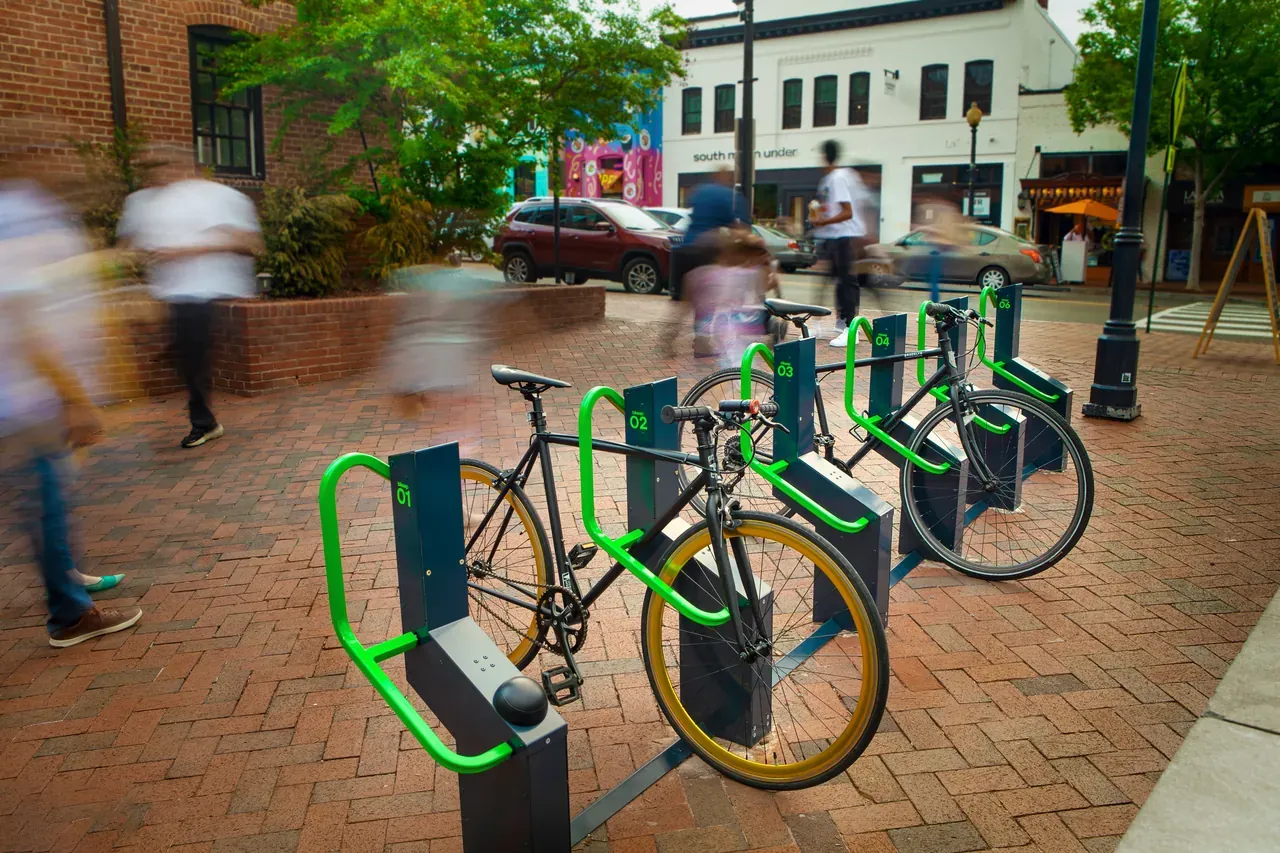
A smart dock locks the bike for the rider, so nobody has to carry a heavy lock. Riders open it with an app or a card, and charging docks top up e-bikes while they are parked. A row of docks forms a smart bike parking station, which needs a canopy for weather protection.
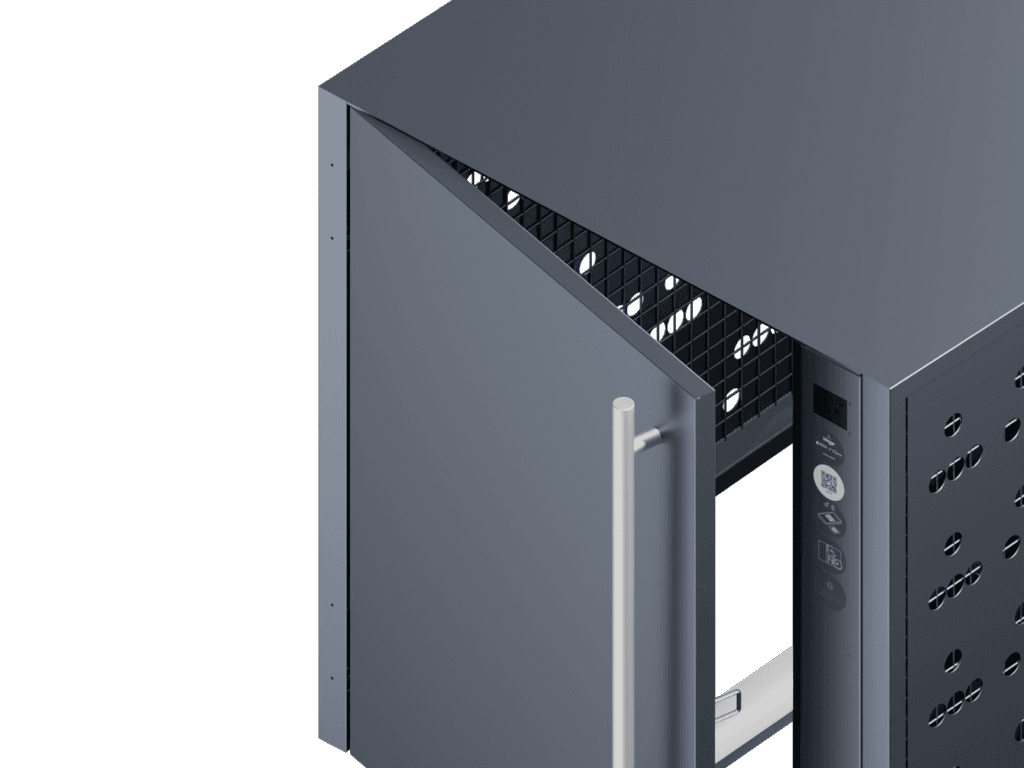
A bike locker encloses one or two bikes, which protects the frame, wheels, accessories and battery from theft and weather. That makes it the most secure place for a single bike and a good fit for e-bikes left all day. Lockers take more space per bike than racks. Keyed lockers leased to one person also tend to sit unused while others wait on a list. Santa Clara VTA in California is replacing more than 200 aging lockers with nearly 400 on-demand spaces, partly to cut its rental waiting lists.
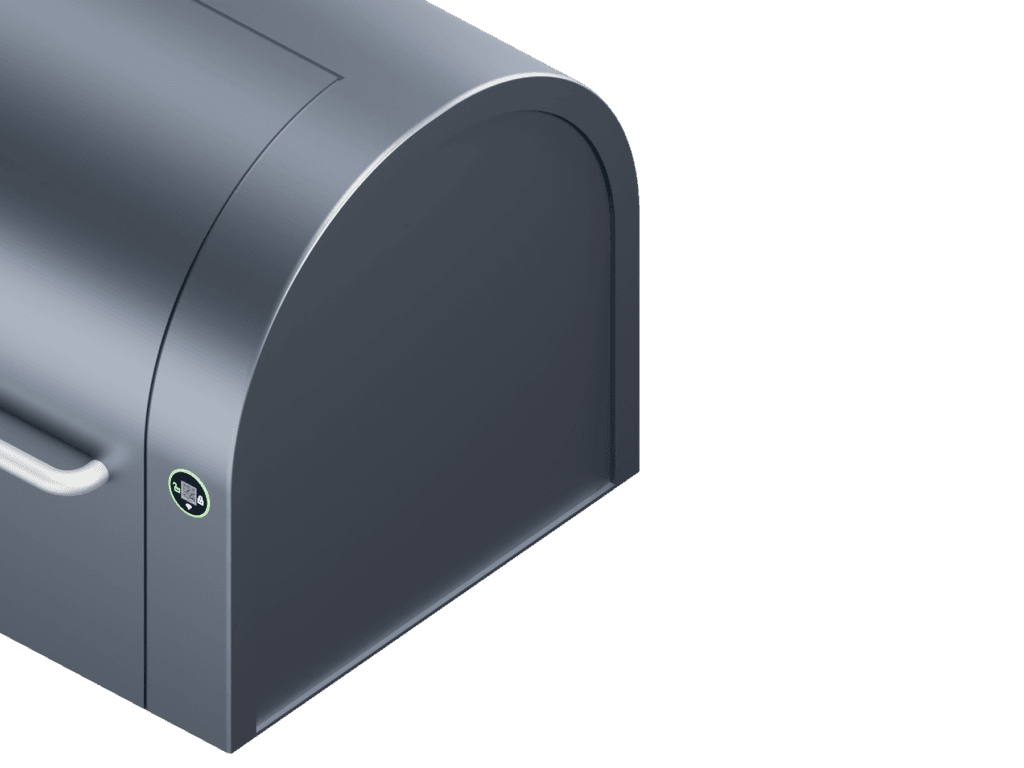
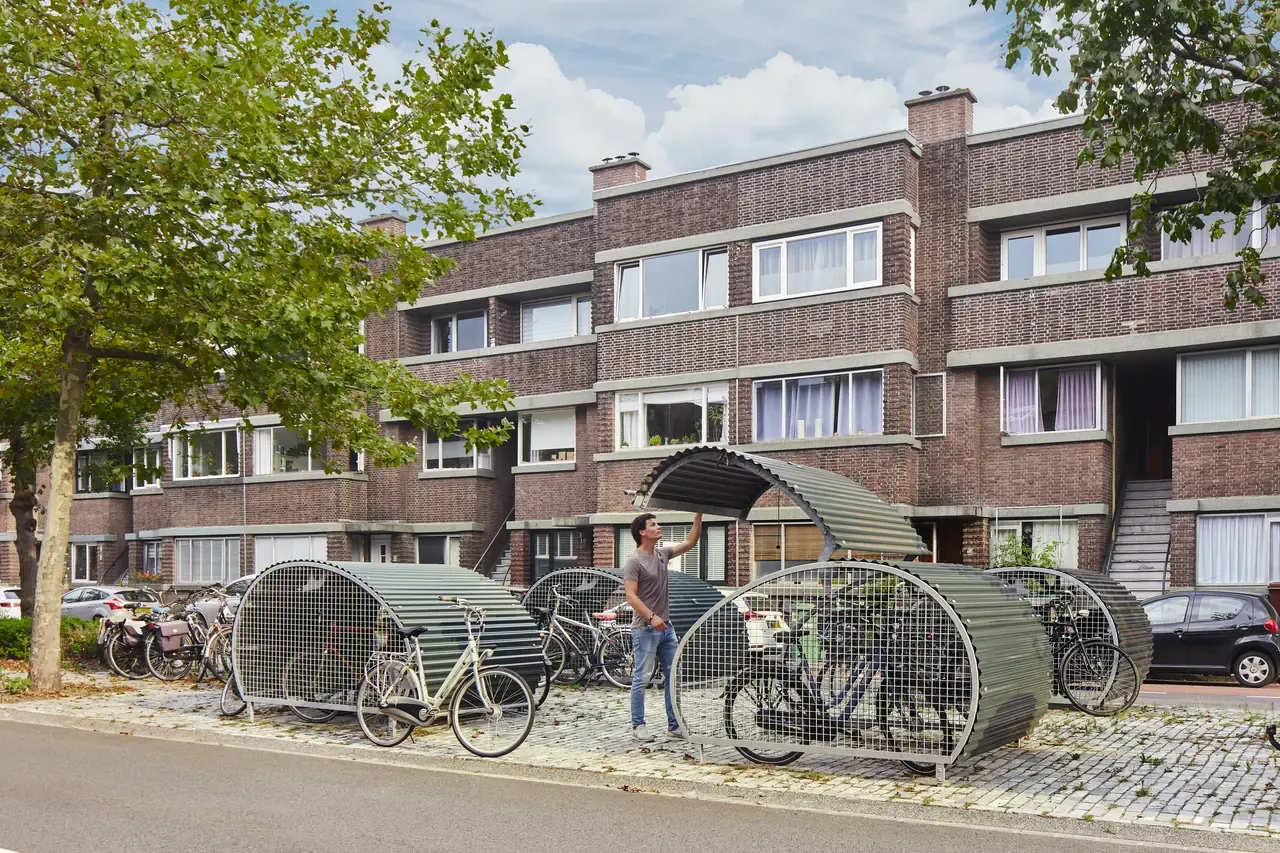
A bike hangar is a shared, locked shelter for residents who have nowhere to keep a bike at home. A standard hangar holds up to six bikes and takes up just over half a car parking space, according to Lewisham Council in London. Bikeep's smart hangars hold four or six bikes and open with the Bikeep app or an RFID card instead of a key.
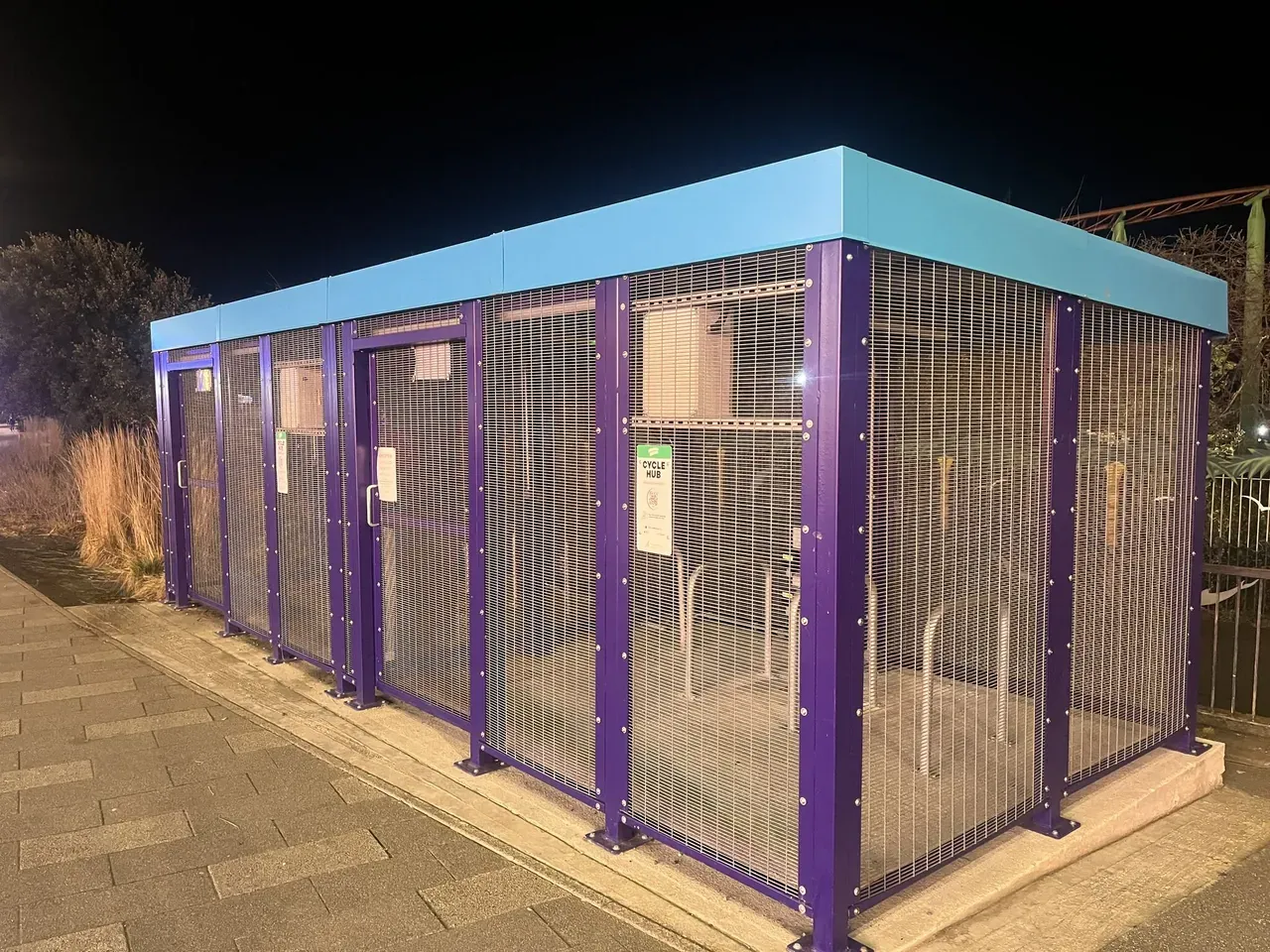
A bike room is a locked space inside a building or parking garage, shared by everyone who has access. It fits many bikes into a small area, especially with two-tier racks, and riders usually lock their bikes to a stand inside as well. A bike room needs access control you can update, or keys and codes stay with people who have moved out or left.
Shelters and prefabricated bike houses sit between these types. A shelter puts a roof over racks, and a locked bike house works like a small outdoor bike room.
Short-stay parking serves visits of up to about two hours. Long-stay parking serves commuters, students and residents who leave a bike all day or overnight. North American planning documents call these Class II and Class I parking.
APBP puts short-term parking within 50 feet (15 m) of the entrance and wants long-term parking secure and weather-protected. The UK's cycle infrastructure design guidance (LTN 1/20) agrees.
The longer the stay and the more valuable the bike, the more security the parking needs. E-bikes raise the stakes. They made up more than half of new bike sales in Germany in 2025, according to the German bicycle industry association ZIV.
The five types differ most in security, stay length, weather cover and how much running they need.
Bike rack
Smart dock
Bike locker
Bike hangar
Bike room
| Type | How it secures the bike | Best stay | Weather cover | E-bike charging | Running it |
|---|---|---|---|---|---|
| Bike rack | Rider's own lock | Under 2 hours | Only under a shelter | Rare | Almost no management |
| Smart dock | Built-in lock, no rider lock needed | Short and all-day stays | Only under a canopy | On charging docks | App or card access, remote monitoring |
| Bike locker | Encloses the bike, accessories and battery | All day and overnight | Yes | On e-bike lockers | Keys and leases, or app and card |
| Bike hangar | Shared locked shelter for up to 6 bikes | Overnight, for residents | Yes | Rare | Rental list, keys or app |
| Bike room | Locked door, with stands inside | All day and overnight | Yes | Only with fire safety measures | Door access control |
Most sites need two kinds of parking. Visitors need quick, visible spaces by the entrance, and daily users need secure bike parking.
Bike parking needs far less room than car parking. APBP counts 8 to 12 bikes on racks in the space of one parked car. A six-bike hangar takes just over half a car space.
A 10-dock smart bike parking station is about 9 m (30 ft) long and about 2.2 m (7 ft) deep, parked bikes included. A 5-dock station is about 5 m (16 ft) long. Two-tier racks fit more bikes into a bike room but need a ceiling of about 2.7 m (9 ft). Heavy e-bikes and cargo bikes don't suit them, and UK guidance asks for 5% of spaces at ground level for larger and adapted cycles.
A smart dock beats a rack when riders don't trust their own lock, when you need to control who parks, or when you want usage data. A rack leaves security to whatever lock the rider brings. A Bikeep dock locks the bike for them, with two-point locking that holds the frame and the wheel.
Access is the second difference. Riders open a dock with the Bikeep app or an access card, which can be a city card. The operator can remove access in one click or set an expiry date, so former staff or tenants can no longer park.
Data is the third. Riders can check live occupancy in the app before they set off and reserve a dock up to an hour ahead. Operators see the same picture in the Bikeep Console and can tell when a site needs more spaces.
Charging docks add a fourth, for riders with e-bikes.
Racks still win on cost for quick visits by riders who carry a good lock. Many sites put racks by the door and smart docks where people stay longer.
One platform means riders use the same app or card at every type of parking on a site, and the operator manages all of it in one console. Without it, a site with docks outside and a bike room inside runs two systems, with two sets of credentials and two support routes.
Bikeep designs its own smart docks. Lockers, hangars and racks come from partner manufacturers, picked for each project on lifespan, total cost, design, security certification and ease of maintenance. Integration kits connect existing lockers and bike rooms, so hardware with years of life left stays in service. The same platform runs more than 10,000 Bikeep devices in more than 30 countries.
Southend-on-Sea shows the retrofit route. The city council's existing bike parking lacked security and convenience. Bikeep fitted smart door controllers to 10 municipal bike rooms built from another manufacturer's shelters. Riders open them with a QR code, with no app download, and buy daily, weekly or monthly passes.
"The system has been remarkably dependable, due to having the whole technology platform under one provider."
Iain Banks, Active Travel Manager, Southend-on-Sea City Council
TransLink in Greater Vancouver took the same approach with new lockers. A local partner designed, installed and operates 71 solar-powered smart lockers at six transit stations, each holding two bikes. Bikeep supplied the IoT smart locks and the platform. TransLink's older key-based lockers required a deposit and a three-month minimum booking. The new ones open on demand in the Bikeep app and are built for a 20-year asset life.
Cost depends mostly on the type of parking and the site work around it. Racks cost the least per space. Lockers, hangars and bike rooms cost more because they enclose the bike. Ground works, power and access control add to every type, and a battery-powered station avoids digging a trench for power. Software and maintenance fees run for the life of the hardware, so compare the total over that life, not the purchase price alone.
Start with your local zoning or building code, which sets the legal minimum. LEED v4 asks for short-term spaces for 2.5% of peak visitors and long-term spaces for 5% of regular occupants, according to LEEDuser.
Yes, when they meet the credit's rules on numbers and distance from the entrance. Short-term racks and secure long-term parking both count toward the LEED Bicycle Facilities credit, and BREEAM rewards cycle storage in its transport credits too.
Yes, charging docks and e-bike lockers charge the bike while it is locked. UK government fire guidance prefers charging outdoors or in a separate ground-level space over charging inside buildings.
Usually the site owner or a local operator, backed by the hardware supplier. A smart system shows the status of every site in one dashboard, so the operator knows which unit needs attention.
Kirsten Corson of Locky Dock has two lessons for new operators. Fund stations with a media model, and build the pipeline with head-office agreements.
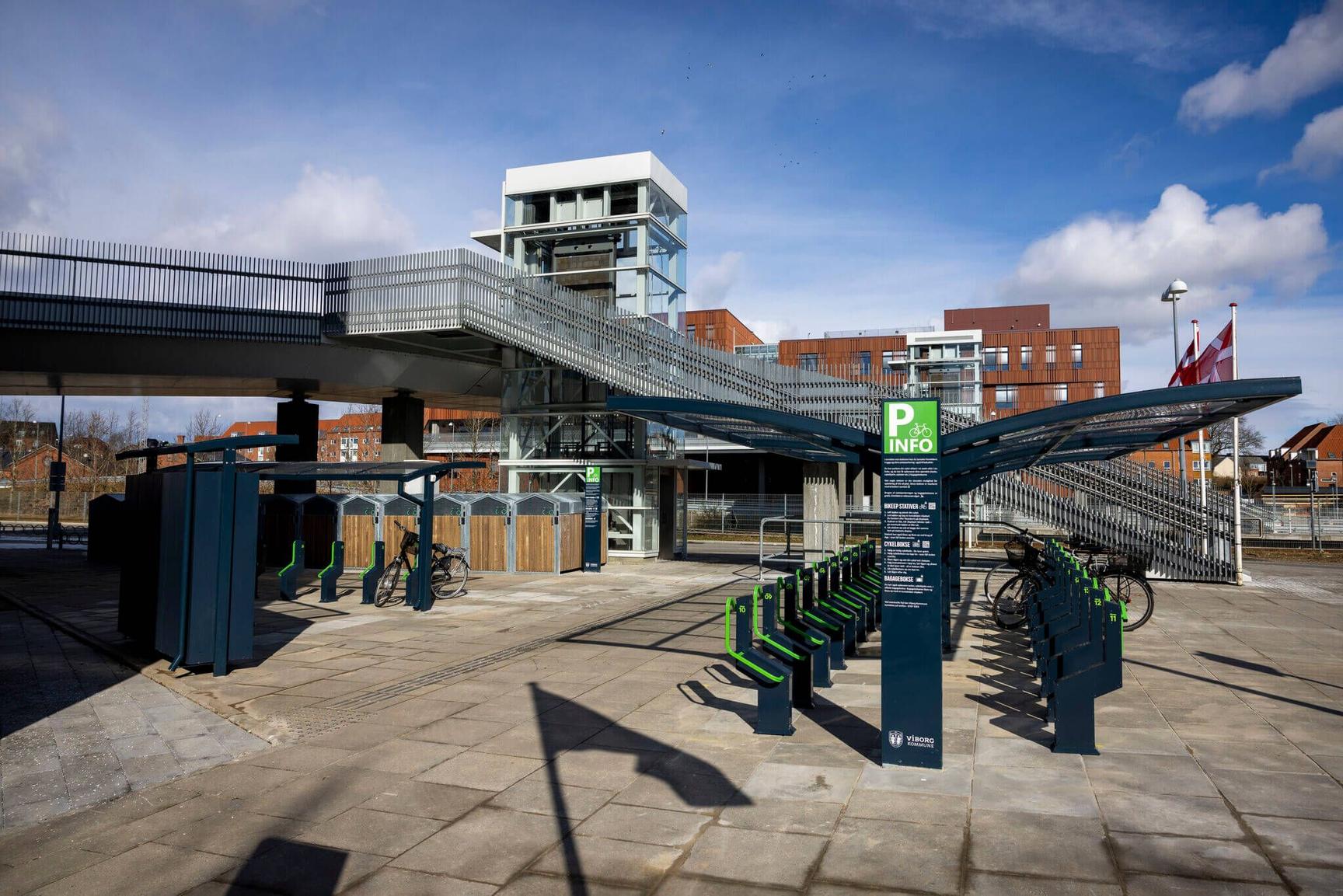
One agreement with a supermarket chain or national railway can open 5 to 30 sites. Kirsten Corson of Locky Dock on the fastest way to deploy stations.
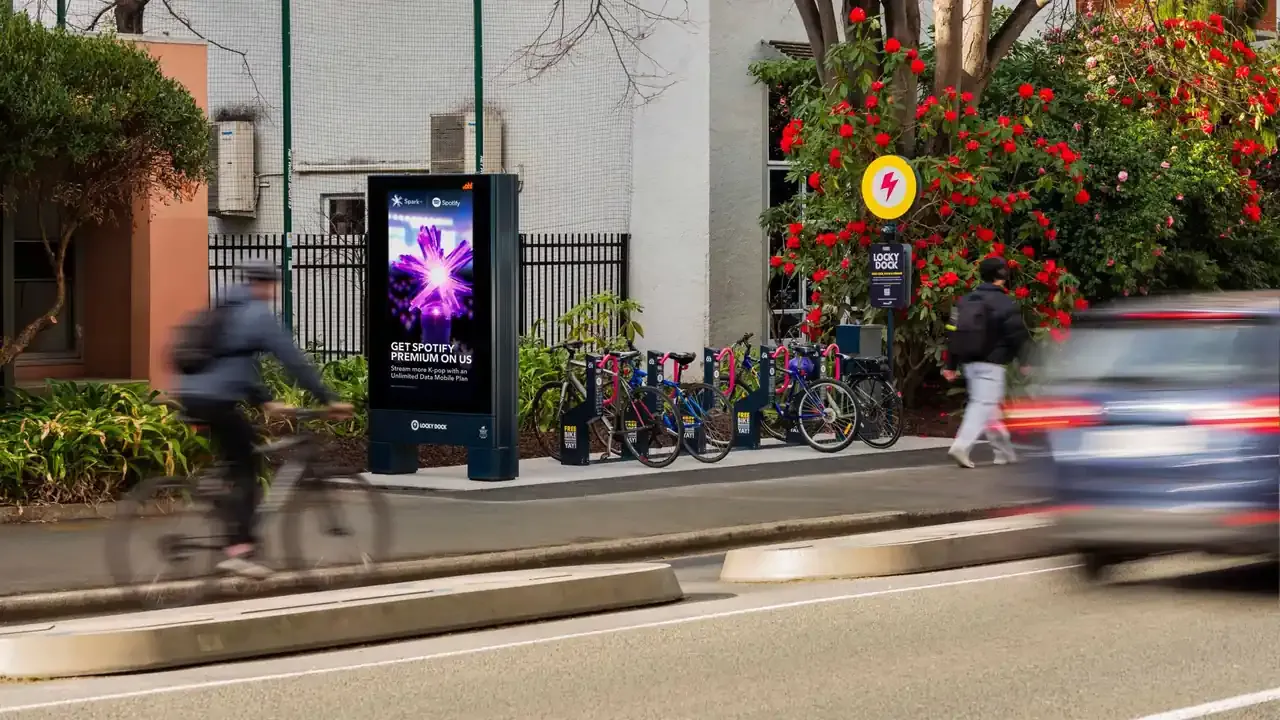
Kirsten Corson of Locky Dock names the wrong location as the costliest mistake. In an ad-funded network every site must suit riders and advertisers.