News
Why a scaling bike parking network needs IoT, not Bluetooth
Bluetooth locks scale to a dozen doors. Networks that reach hundreds need devices with their own connection — and a platform that outlives the hardware.
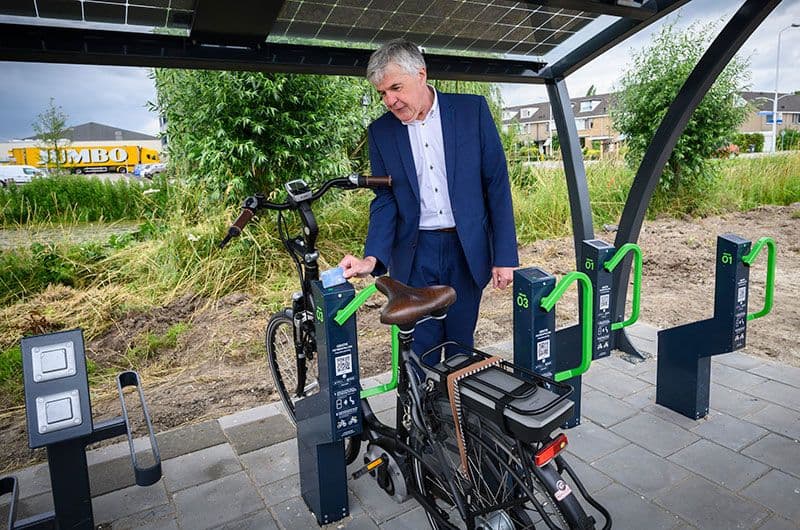
The Netherlands is the world's number one cycling country, and it comes as no surprise that Bikeep is rapidly developing a strong network of smart bicycle parking and charging infrastructure there.
Bikeep's solar-powered e-bike charging stations are now part of the Dutch cycling landscape, offering secure, weather-resistant bike parking with integrated charging for electric bikes — all powered by renewable energy. This aligns perfectly with the Netherlands' long-standing commitment to sustainable mobility and cycling as a primary mode of transportation.
The deployment in Papendrecht marks another milestone in Bikeep's expansion across the country. The station provides cyclists with a convenient and secure place to park and charge their e-bikes, supporting both daily commuters and recreational riders. With solar panels integrated into the station design, the infrastructure operates with minimal environmental impact.
As e-bike adoption continues to grow across the Netherlands, demand for reliable charging infrastructure is increasing rapidly. Bikeep's smart stations address this need by combining secure parking with charging functionality, managed through a cloud-based platform that gives operators full visibility and control.
Bluetooth locks scale to a dozen doors. Networks that reach hundreds need devices with their own connection — and a platform that outlives the hardware.
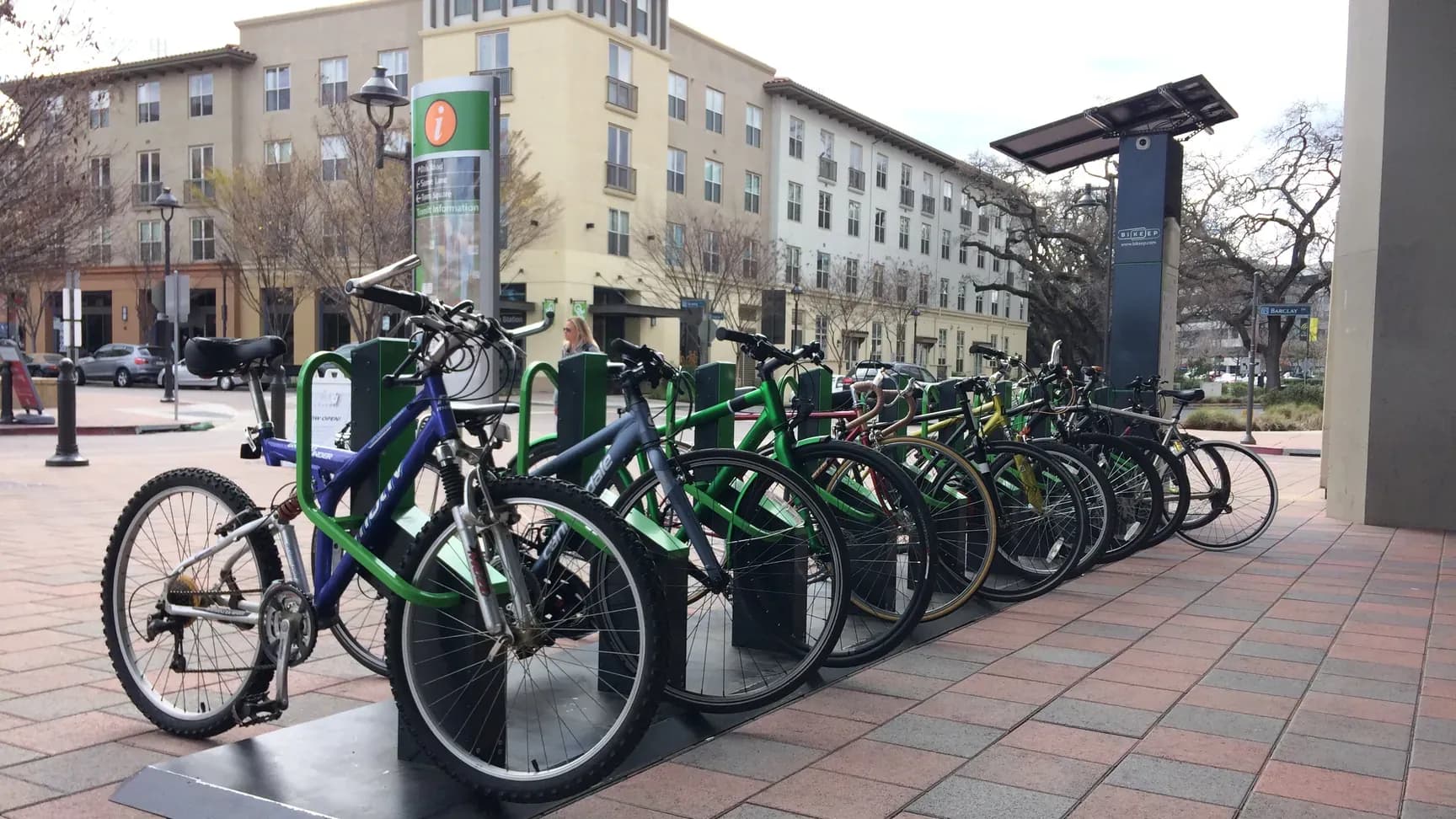
Since 2016, Bikeep smart bike parking stations at BART have cut bike theft and outlasted a decade of daily use across the Bay Area transit network.
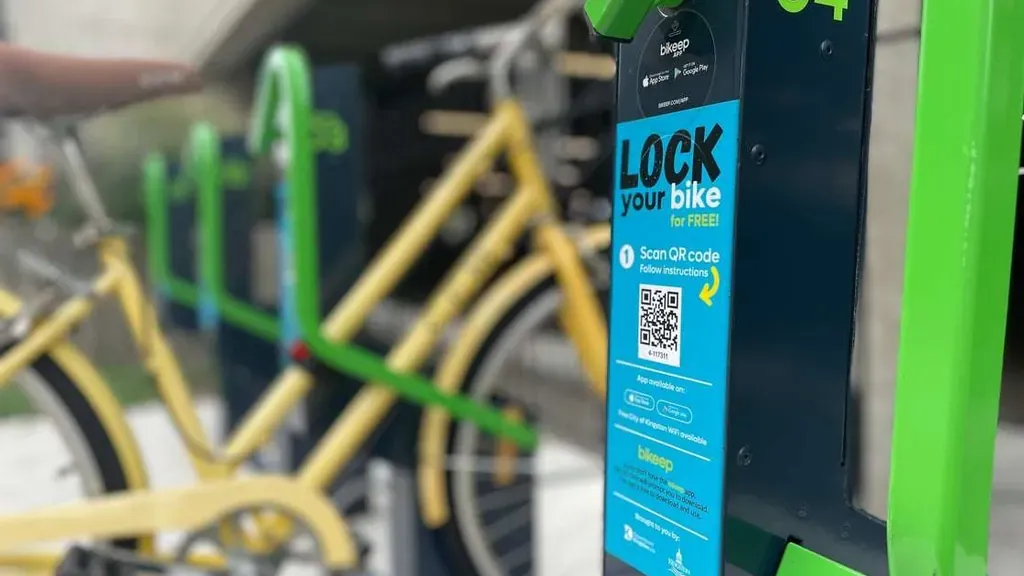
A summer pilot on Princess Street became permanent: 18 secure Bikeep docks across three downtown Kingston locations, free for residents and visitors.