Insight
Two lessons for scaling a bike parking business
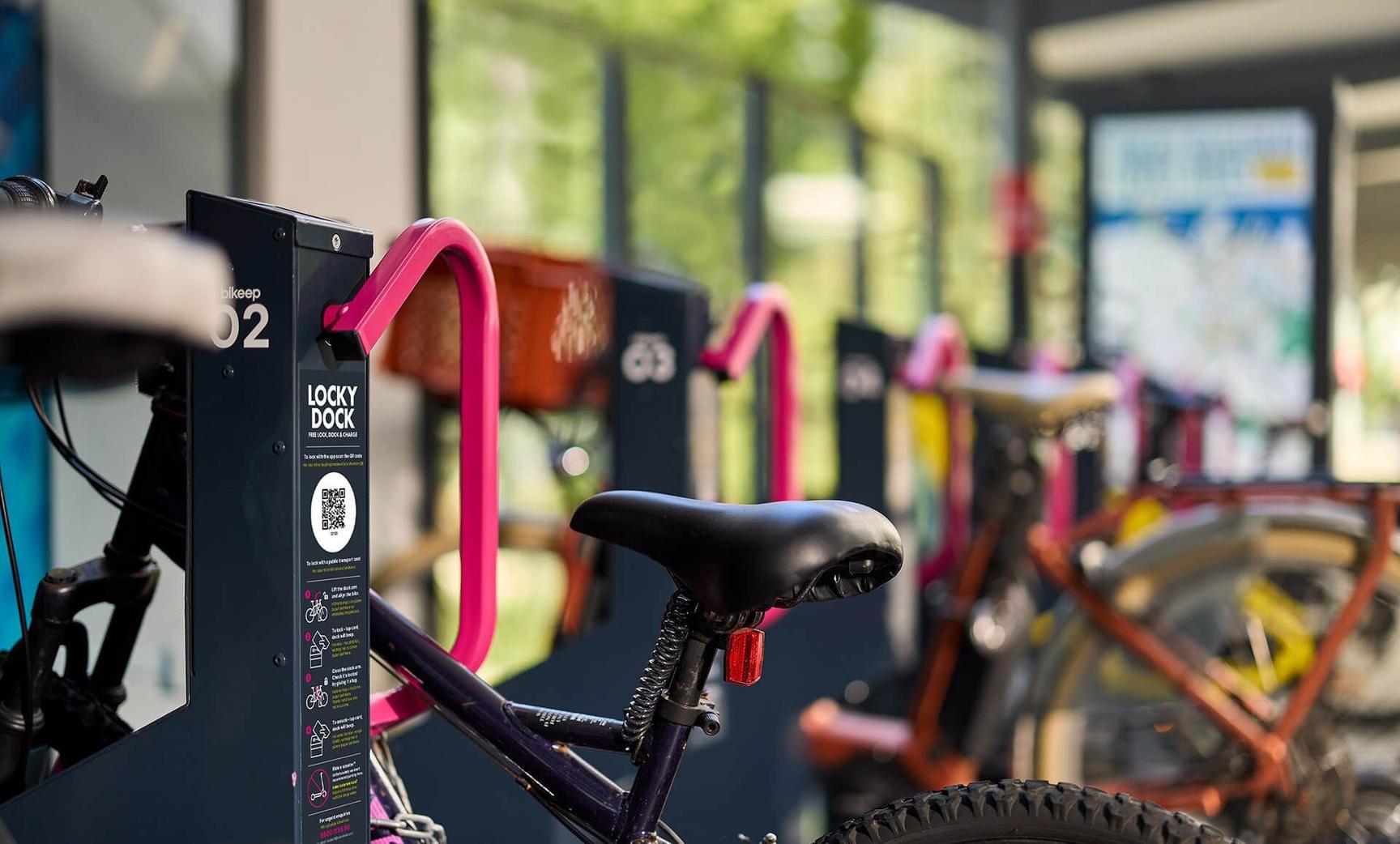
Kirsten Corson of Locky Dock has two lessons for new operators. Fund stations with a media model, and build the pipeline with head-office agreements.
Giving someone an e-bike is the easy part. The harder question is where the bike goes when the ride ends.
Smart Commute, the nonprofit transportation management organization for the north Denver metro, learned this through its Qualified-Income eBike Program. Riders had the bike. They still needed a safe place to leave it at work, at the bus stop or wherever they were headed.
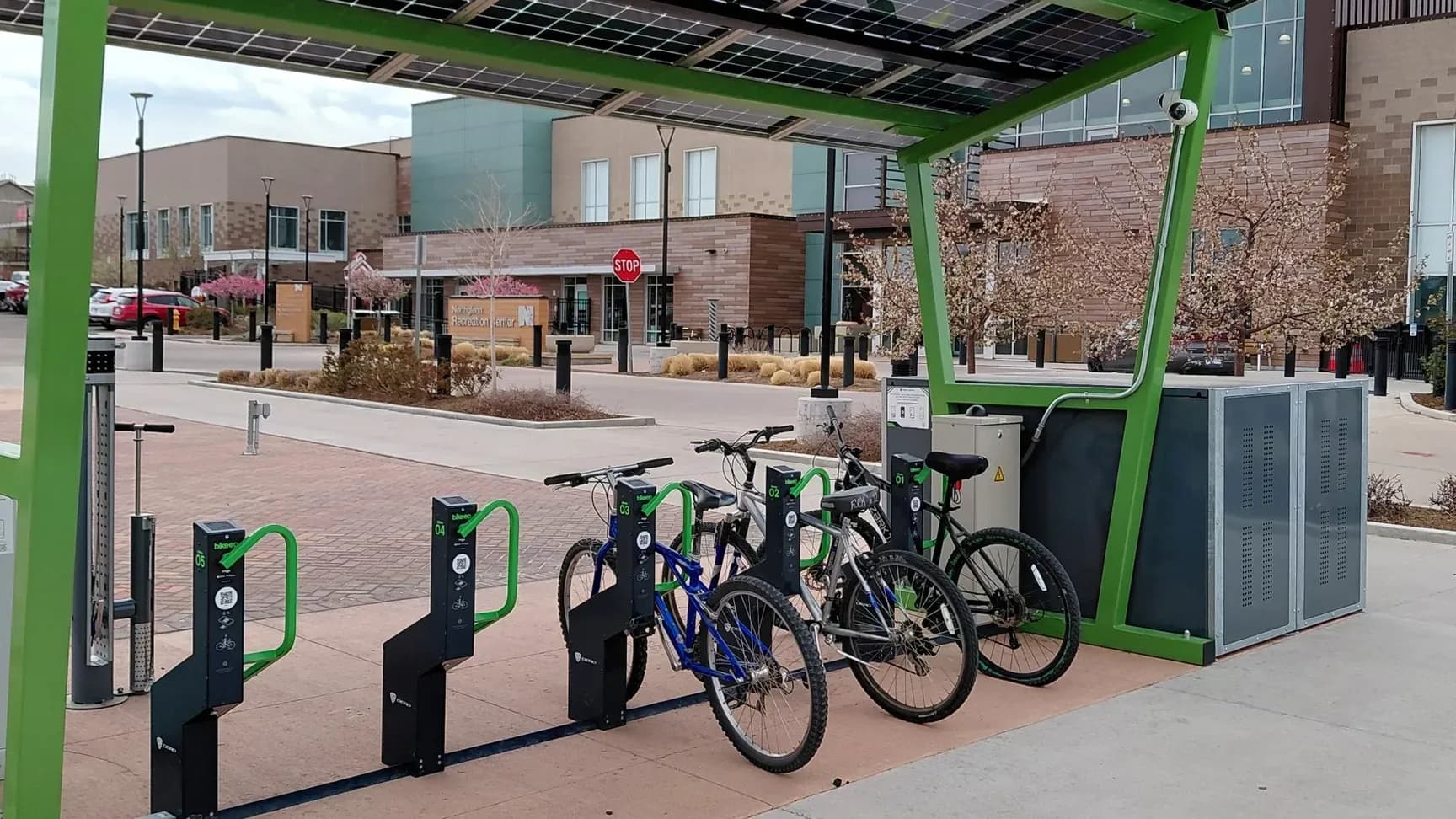
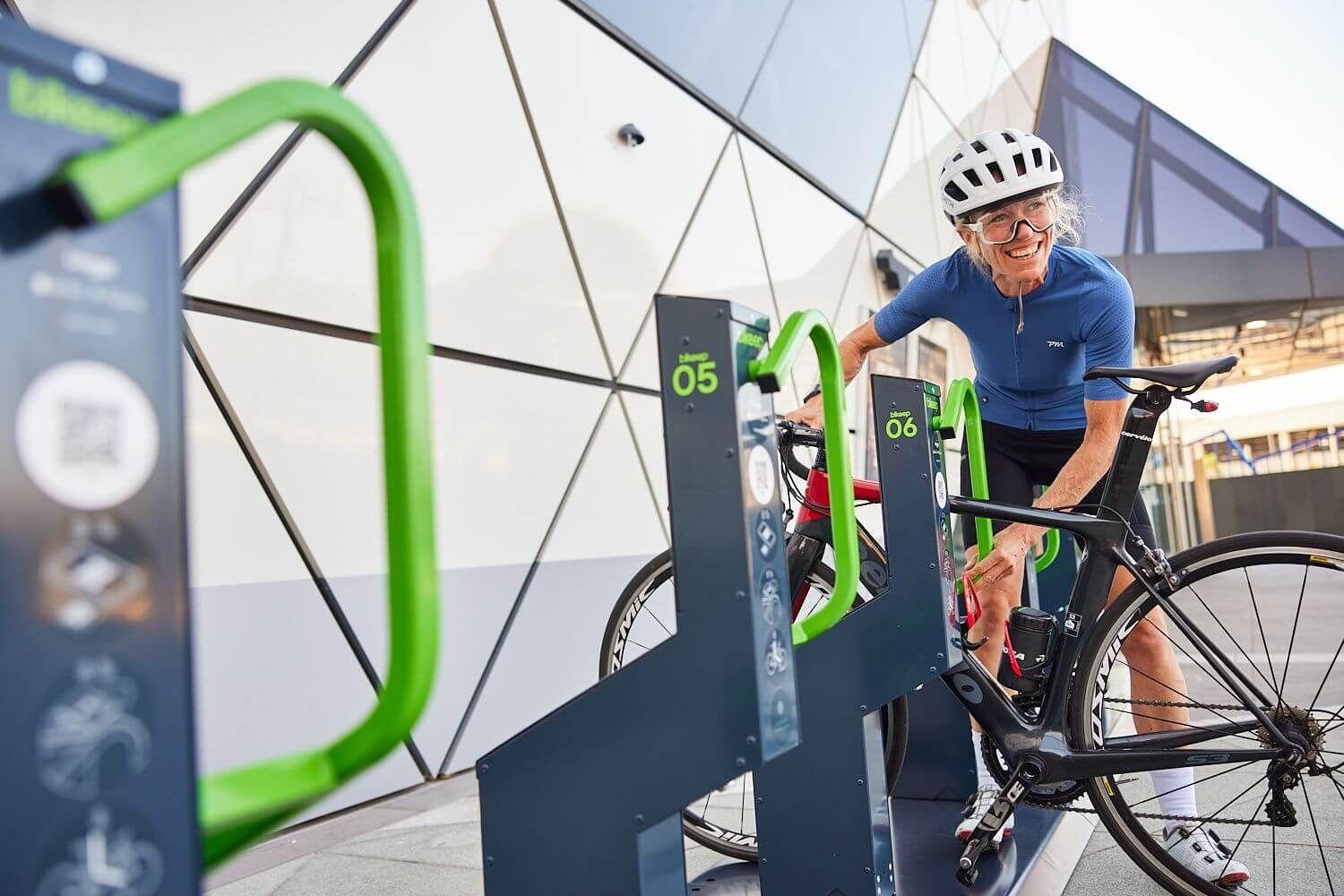
Its answer is the Smart eHub. Since June 2025, three hubs in Northglenn, Thornton and Westminster have offered free e-bike charging and secure bike parking. Bikeep docks and Dero smart lockers stand side by side, and one app runs all of it.
The Smart eHubs are delivered by our partner Dero, which tells the story in its Smart eHubs case study.
Every hub has a five-dock e-bike charging station. Two of them add secure bike lockers for riders who want the whole bike enclosed.
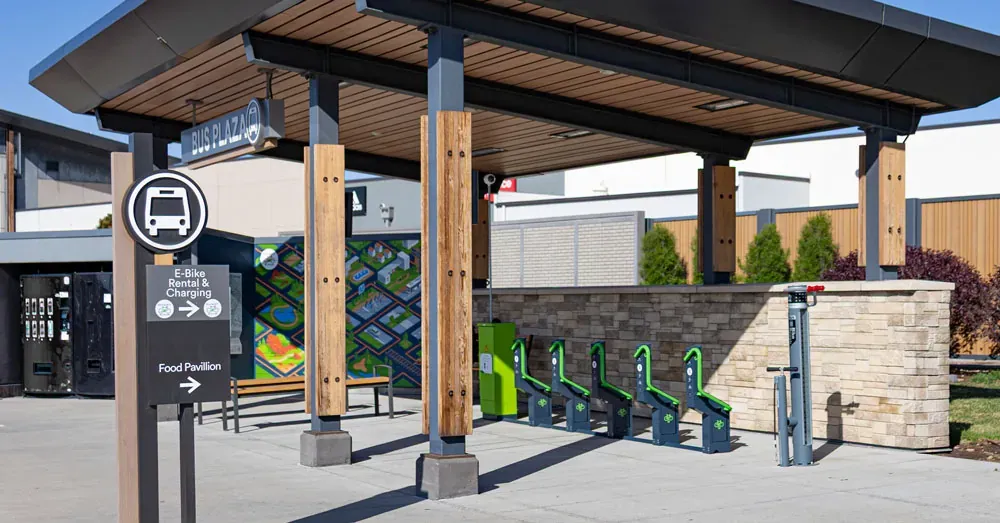
That makes 19 secure spaces, all free to use. At the outlets, the docks sit under the bus plaza canopy, so a rider can lock up and step onto a bus. At Northglenn, docks and lockers share a solar canopy outside the recreation center.
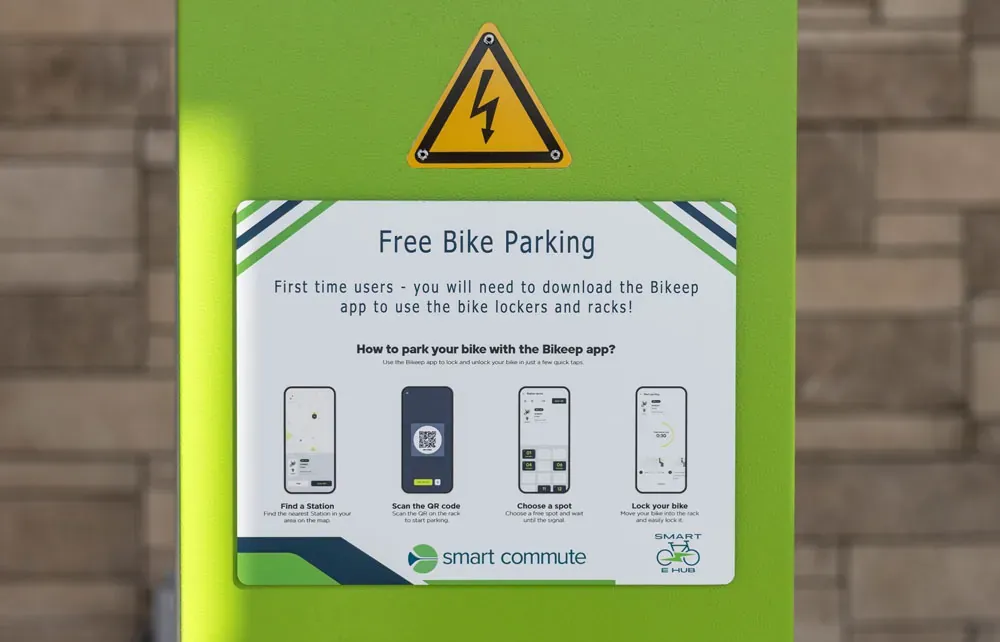
Riders use the same Bikeep app at every hub, whatever hardware they park in. The sign at each hub walks first-timers through it in four steps. Find the station on the map, scan the QR code, pick a free spot and lock the bike.
The same app runs Smart Commute's eBike Library. Library e-bikes are rented and returned through the Bikeep docks. So a hub that charges a commuter's own e-bike can also lend one to someone who wants to try riding first.
The operator side is just as simple. Smart Commute's program manager looks after the docks and lockers at all three hubs from her smartphone. Mixed hardware on one system is what lets a small team run a multi-site program. Riders have taken to the app too. 98% of all uses start there, and the rest use an RFID card.
Bikeep platform data shows how riders used the Smart eHubs between June 2025 and November 2026.
Repeat use is the number that matters here. A one-off try shows curiosity. Coming back shows the hub fits into someone's week. One rider left this note after using a locker at Northglenn.
"Really great and easy-to-use bike storage, and there is also an e-bike charging station. The app is really easy to use as well. I really appreciate the wonderful, safe way to lock my bicycle up."
Rider review in the Bikeep app, Northglenn Recreation Center
Smart Commute treats each hub as a lesson for the next. What riders say and do at one site shapes the design, placement and features of the next, adjusted to local travel patterns and nearby transit.
The model travels well beyond Colorado. Any city bike parking program eventually reaches the same last step. Riders need a safe place to leave the bike and a way to charge it, close to the bus and the places they already go.
Bikeep and Dero plan to deliver similar solar-powered e-bike libraries in more US locations. Like the north Denver hubs, they would put charging, secure parking and e-bike rentals in one place, with every site on one app.
Mentioned in this article
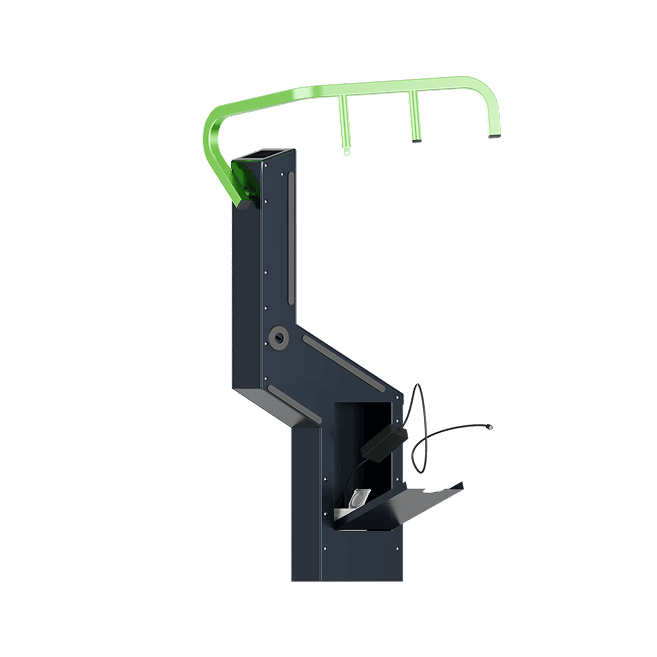
Bike Parking & Charging Station
Secure parking with integrated e-bike charging. Bring-your-own-charger model — bike and charger both locked and secured.
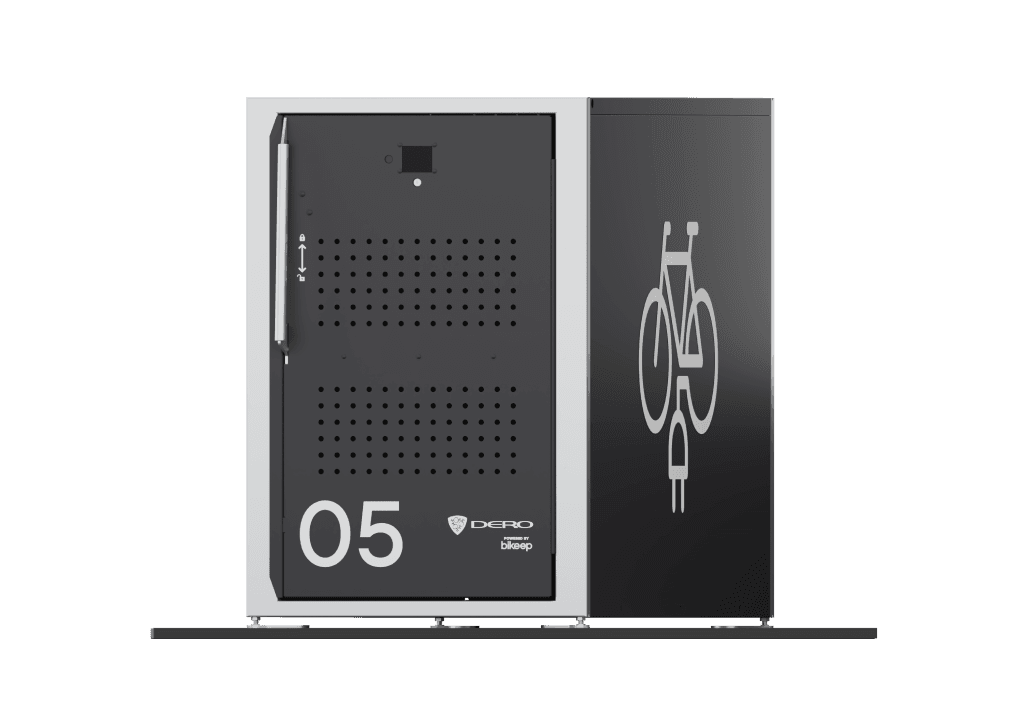
Dero Smart Locker D1/D2
Fully enclosed smart bike locker with keyless access via app, RFID, or transit card.
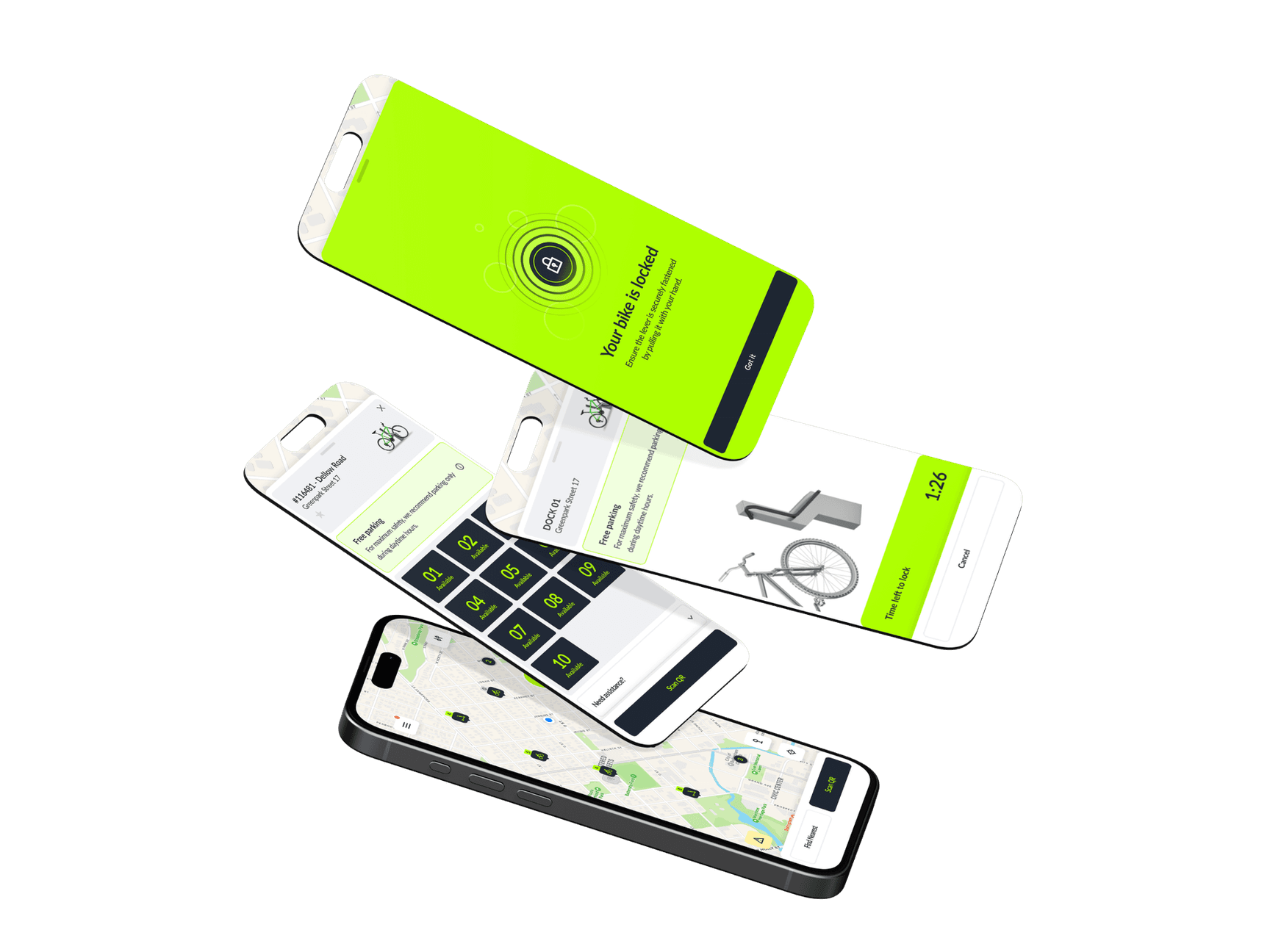
Bikeep App
Riders find a free space, scan the QR code on a dock and lock their bike in seconds.
Kirsten Corson of Locky Dock has two lessons for new operators. Fund stations with a media model, and build the pipeline with head-office agreements.
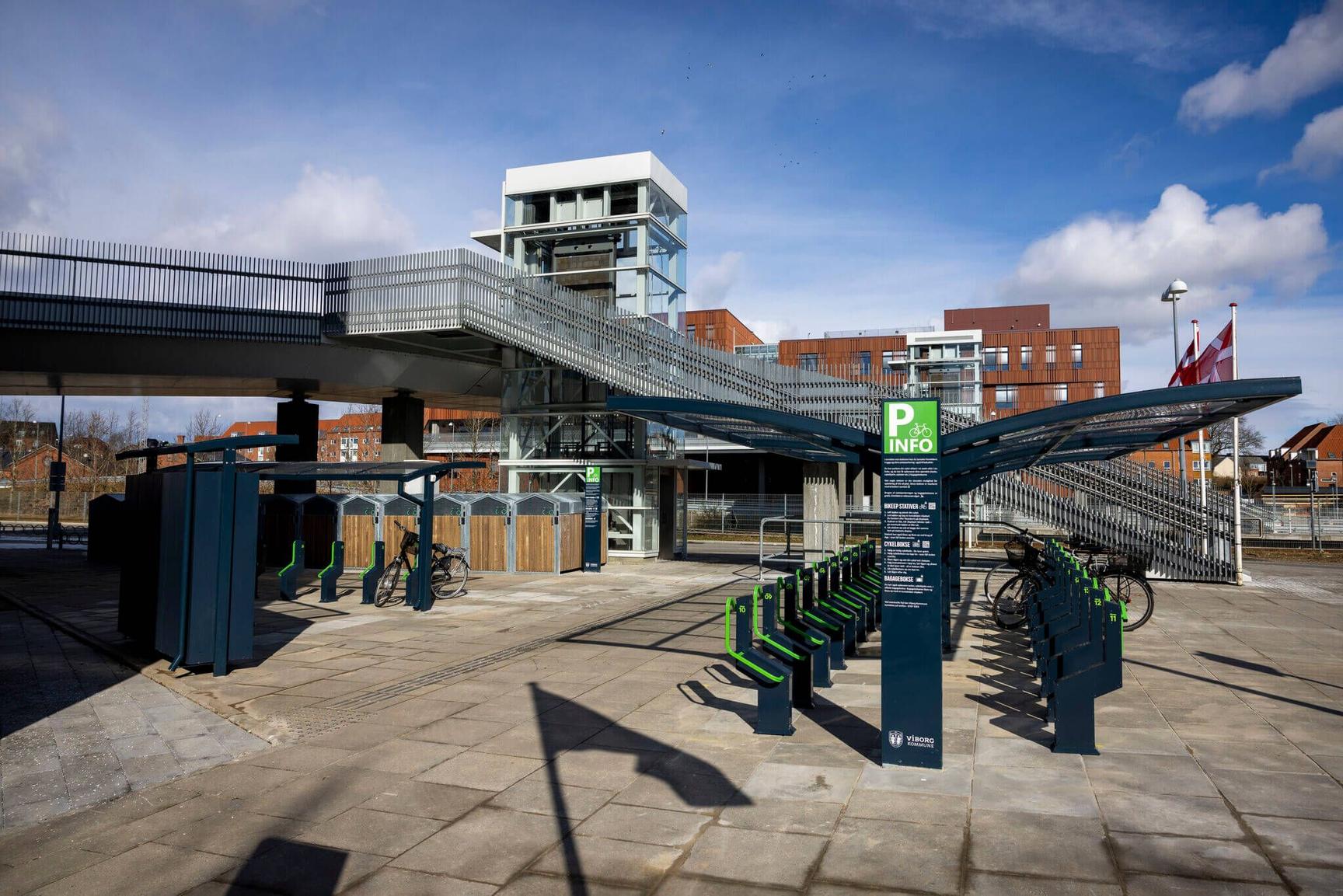
One agreement with a supermarket chain or national railway can open 5 to 30 sites. Kirsten Corson of Locky Dock on the fastest way to deploy stations.
Cycle tourists arrive earlier and stay longer, Kirsten Corson of Locky Dock says. Secure parking and charging decide whether towns capture that spending.