Insight
An e-bike costs cents to run where a car costs dollars
An e-bike costs about 30 cents per 100 km to run in New Zealand, against about $20 for a petrol car. Secure parking decides whether riders switch.
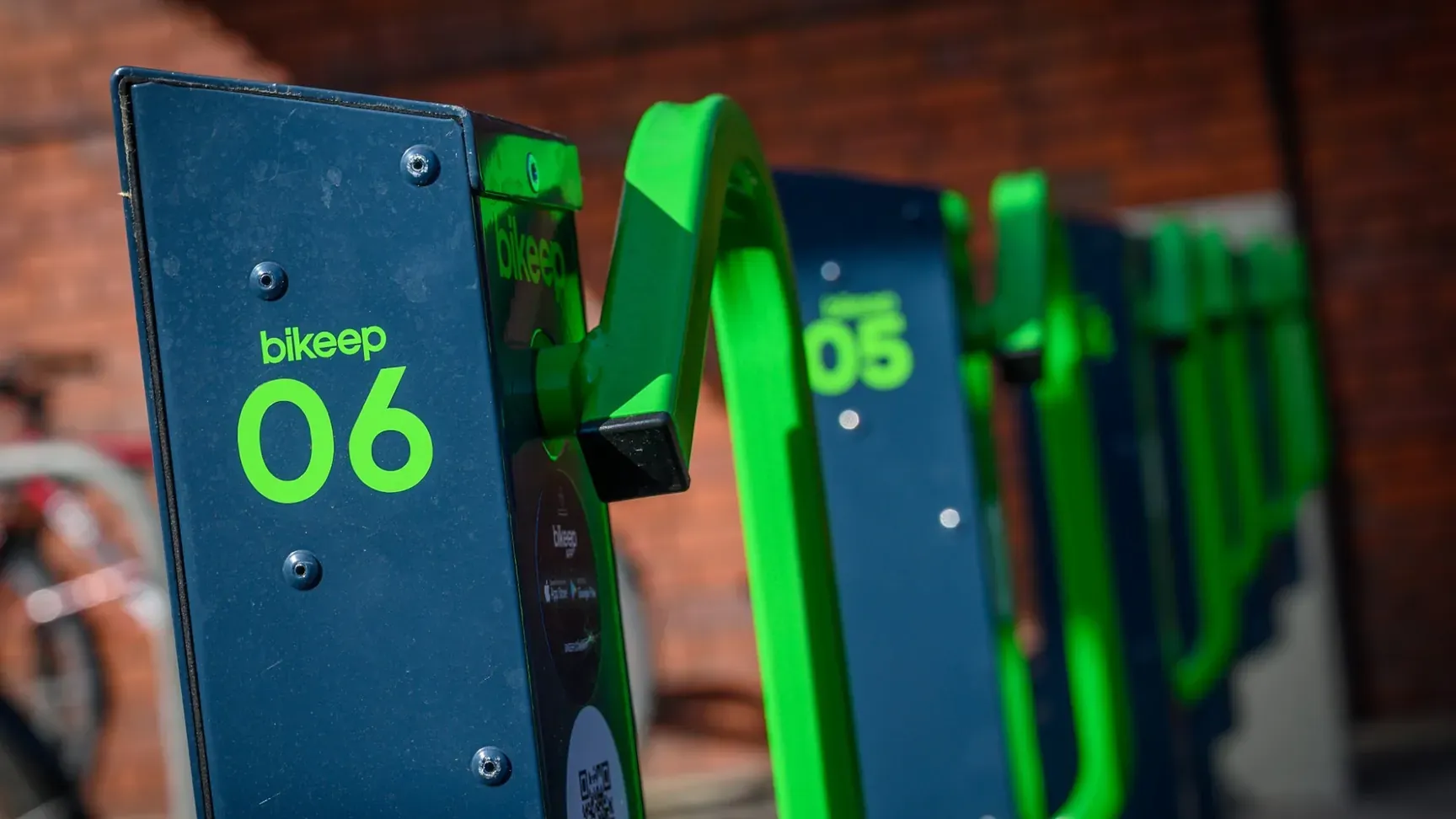
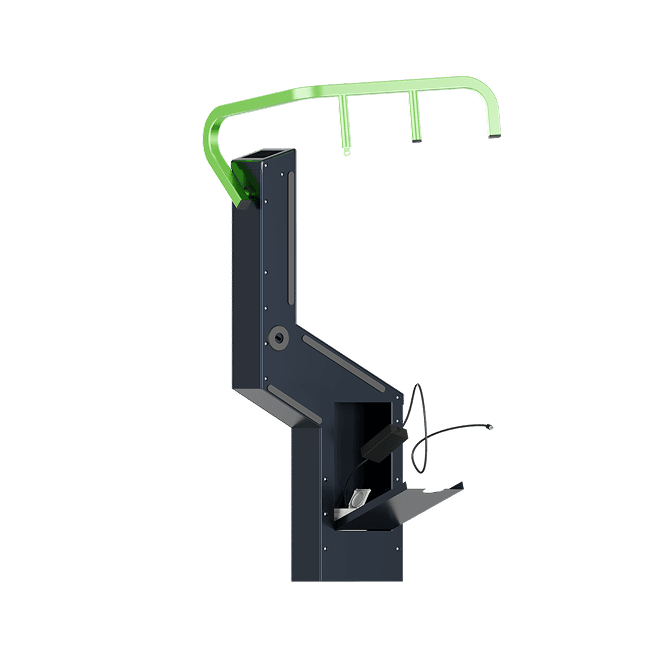
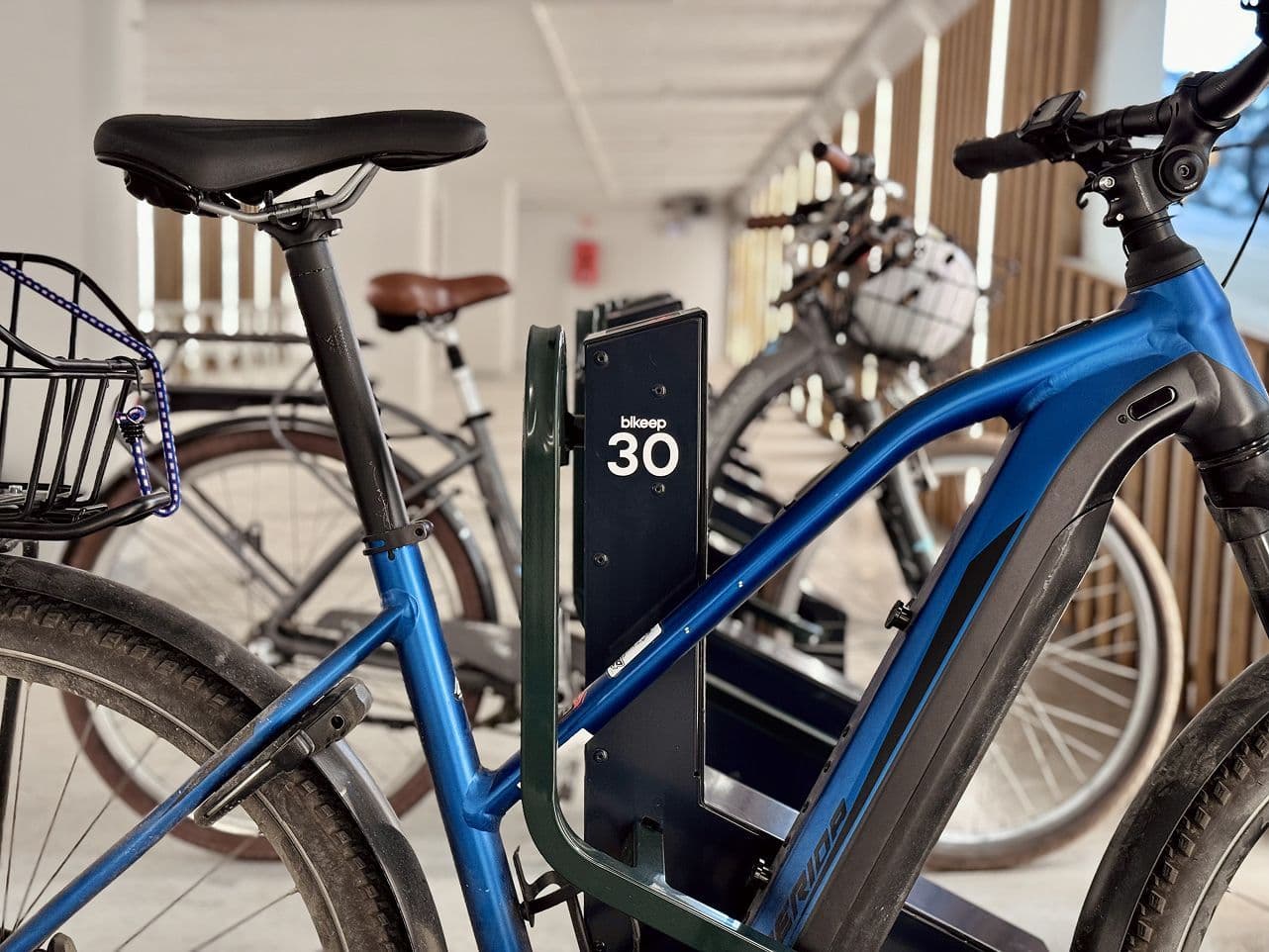
In early 2022 APCOA, the parking operator, installed Bikeep e-bike charging stations at two rail stations north of London, Harpenden and Bedford. Each station has seven docks that lock the bike and charge its battery, and both are free to use.
More commuters are switching to e-bikes, and APCOA pointed out that e-bikes are the best-selling electric vehicle in the world. Yet while charging for electric cars was well understood, there was no combined way to park and charge an e-bike at the station.
Trains have limited space for bikes, and peak-time rules often keep bikes off them altogether. So riders are encouraged to leave the bike at the station. That only works if the bike is still there, and still charged, when they come back.
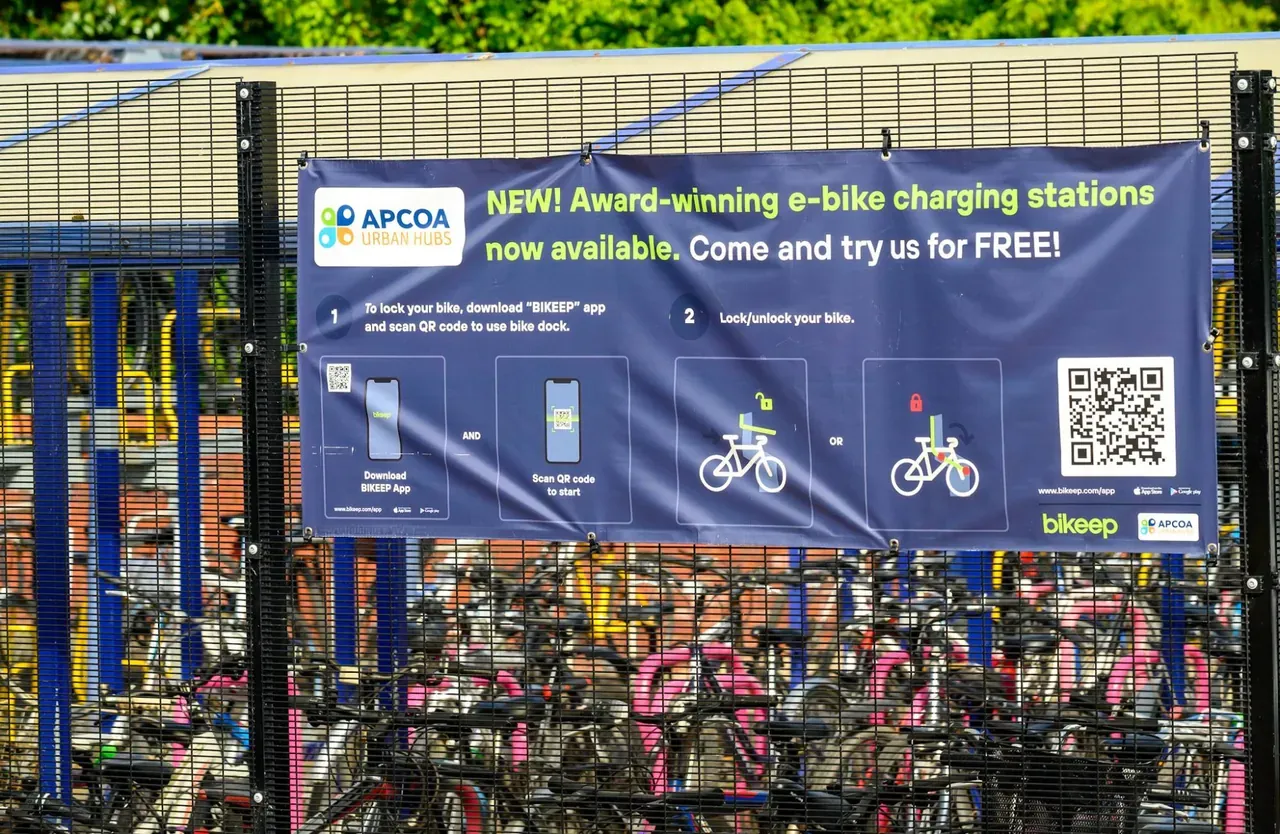
Since they opened, the two stations have logged about 2,700 parkings by more than 170 different riders, about 1,460 at Bedford and 1,230 at Harpenden.
APCOA has since gone further, with a full urban mobility hub in Carmarthen. Read about APCOA's Carmarthen hub, or see how stations work for public transport.
An e-bike costs about 30 cents per 100 km to run in New Zealand, against about $20 for a petrol car. Secure parking decides whether riders switch.
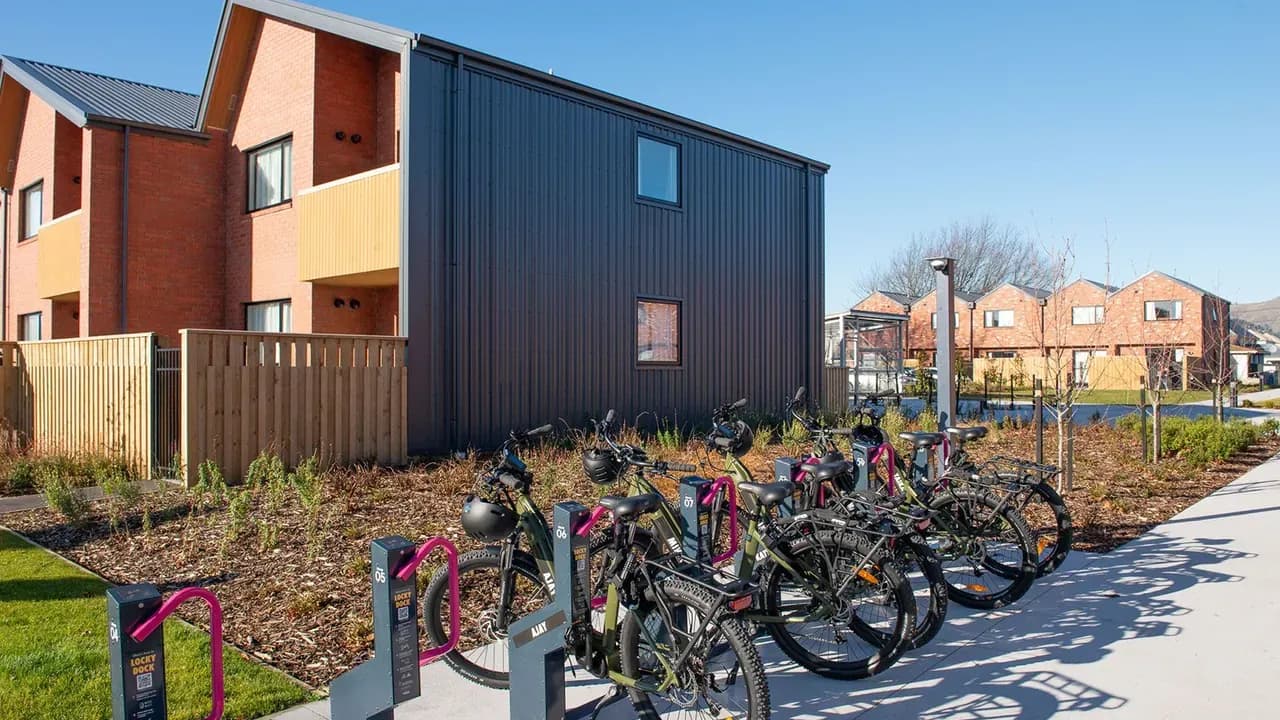
Since 2018 Big Street Bikers has grown Locky Dock to about 100 free Bikeep stations across New Zealand, with about 198,000 parkings by 14,300 riders.
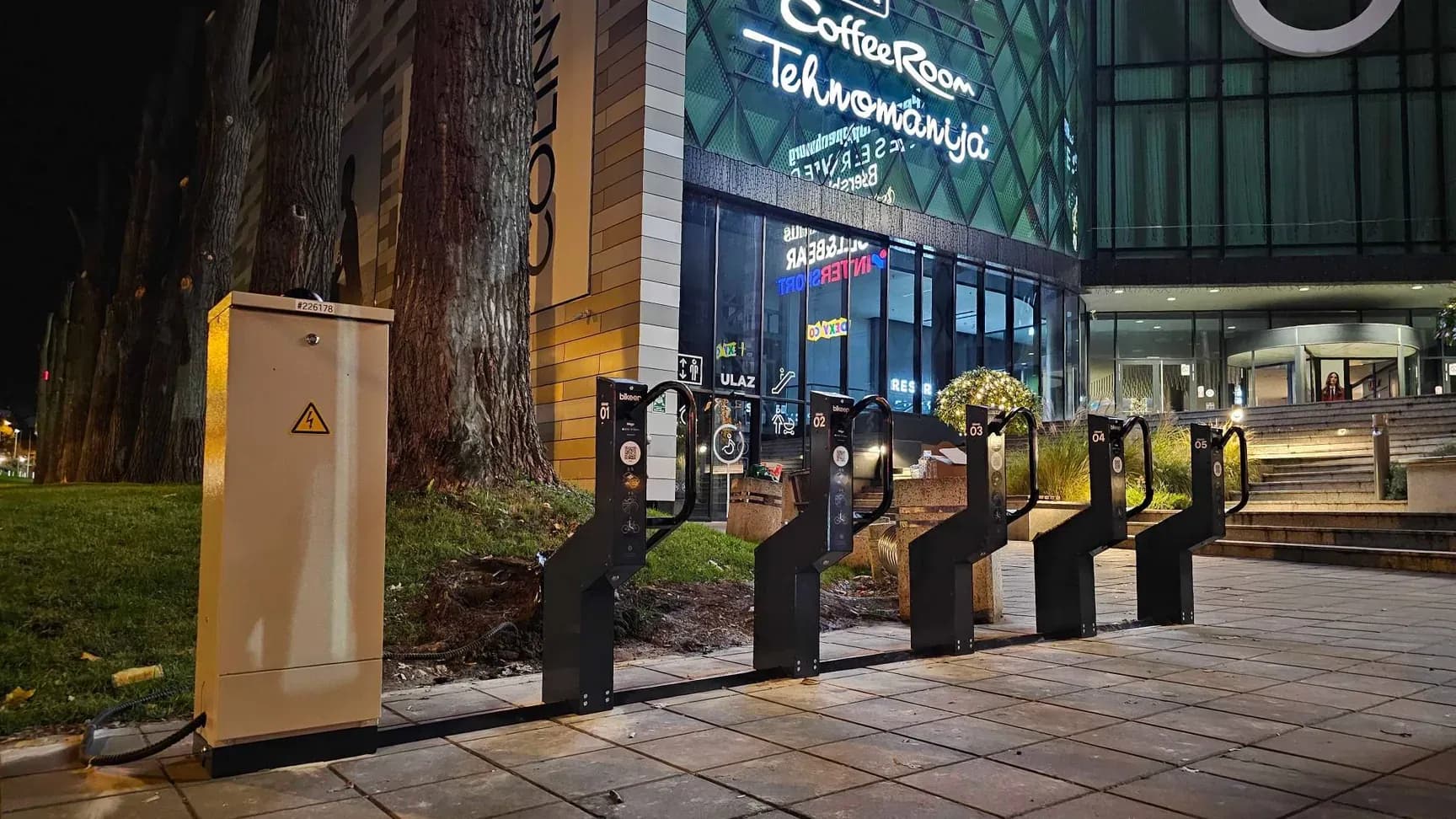
Since 2021 Park 011 has grown from one station at Kalemegdan to about 16 Bikeep sites in Belgrade and Kotor, with about 20,900 parkings by 3,200 riders.