Insight
How a San Jose office park went two years without a bike theft
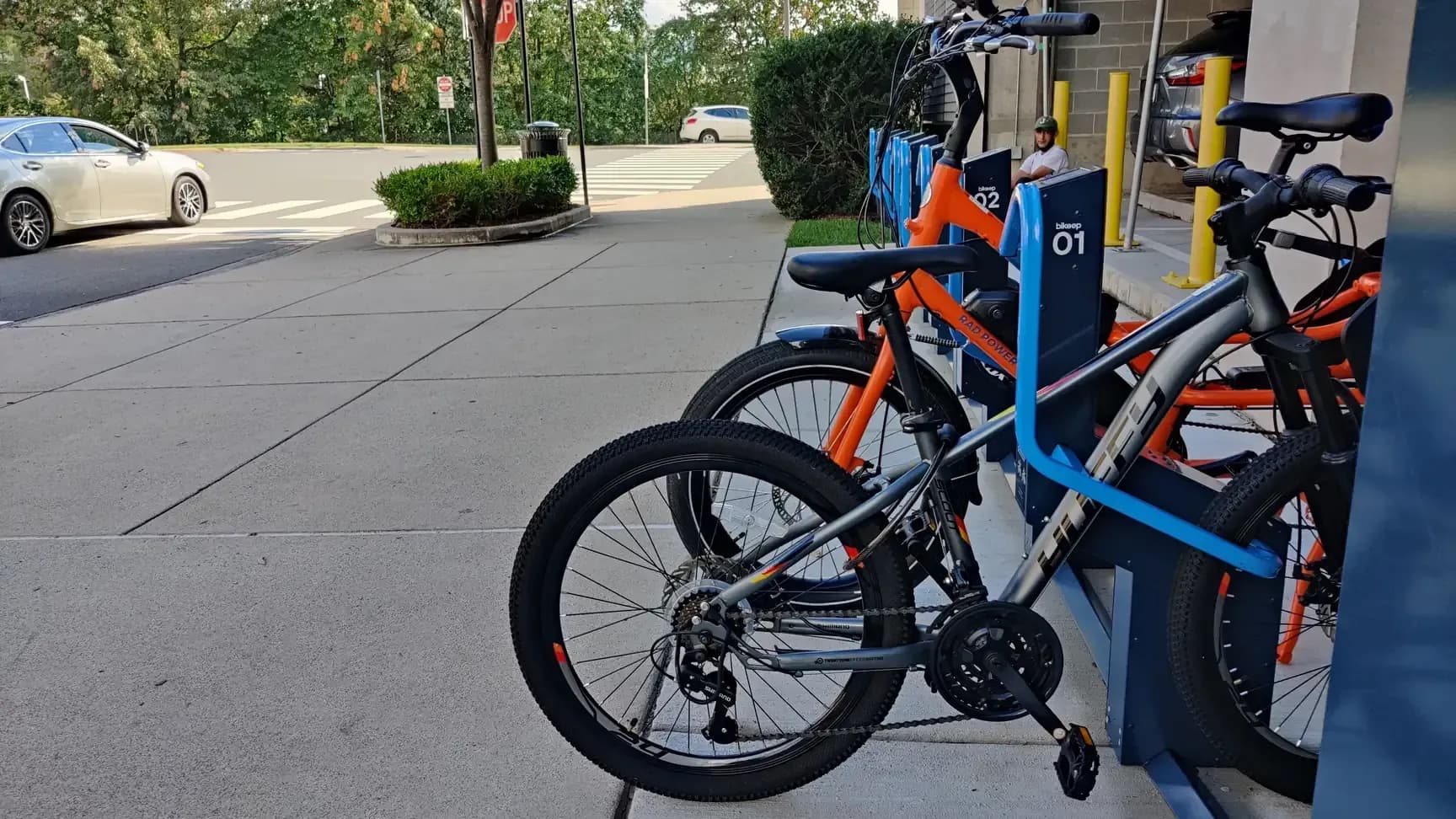
Bike theft keeps office tenants off their bikes. At Cityview Plaza in San Jose, a 10-dock secure bike parking station recorded zero thefts in two years.
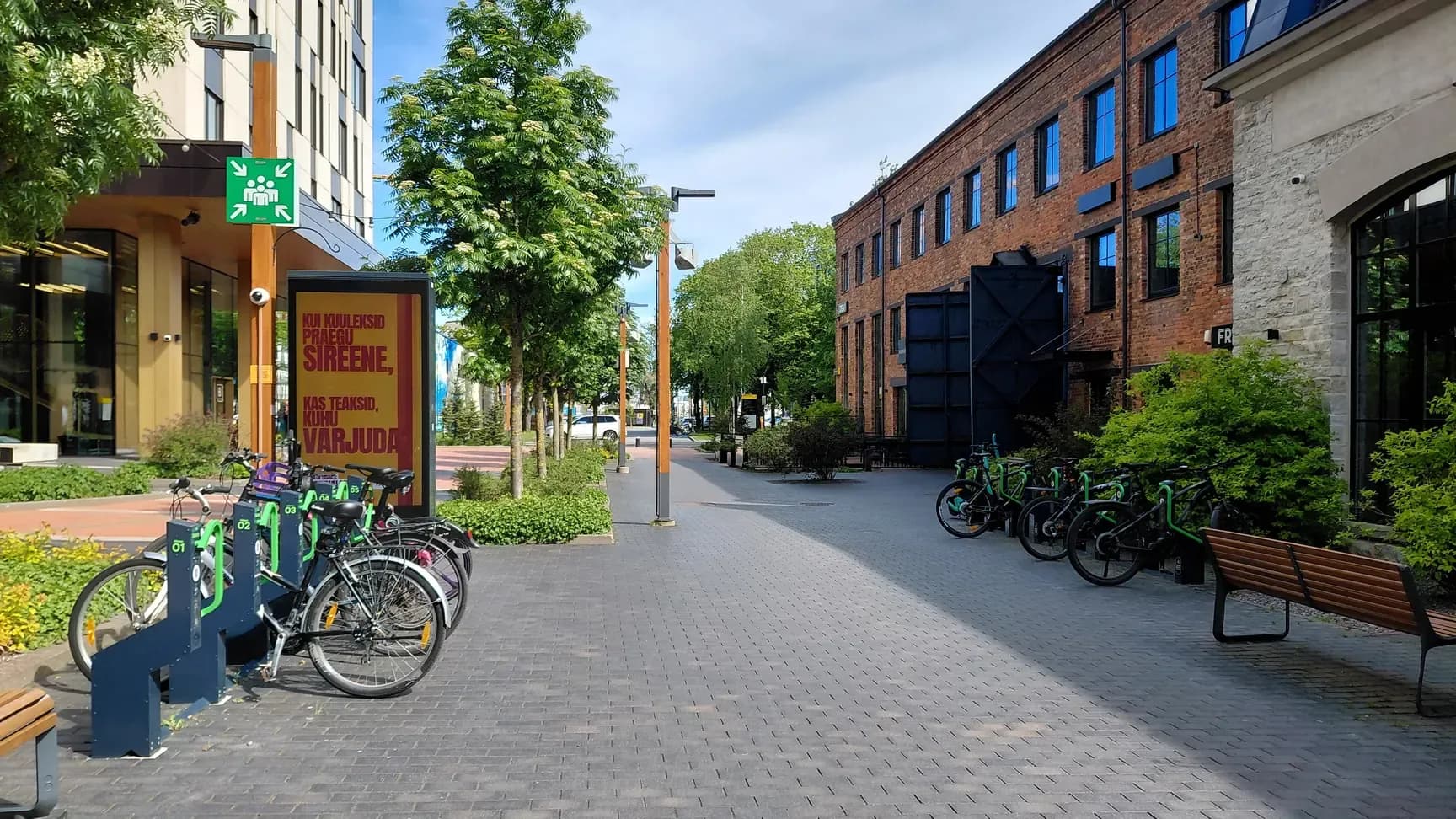
A business campus wants people to arrive by bike. Car parking takes up land that could hold another building, and tenants want an office their staff enjoy coming to.
Then comes the first question every cyclist asks. Will my bike still be there at six?
On most campuses the honest answer is "probably". That isn't good enough for someone leaving a high-end e-bike outside for nine hours. Secure parking decides whether people cycle to a campus at all.
Ülemiste City, a business district next to the airport in Tallinn, Estonia, answered that question with a campus-wide network of Bikeep smart bike parking stations. This article covers what it built, what changed, and why e-bike charging and e-scooter parking are the next step.
Because a rack leaves all the security to the rider's own lock.
A cheap lock can be cut in seconds. A good one slows a thief down, but a rack in a quiet corner gives them time. Many riders decide the risk isn't worth it and leave the bike at home.
Racks also tell the campus nothing. The operator can't see how full they are, which bikes are abandoned, or where more capacity is needed.
E-bikes make the gap wider. They cost more, they are heavier, and their riders want to charge them at work.
It moves the lock from the rider to the property, and it puts the whole network on one screen.
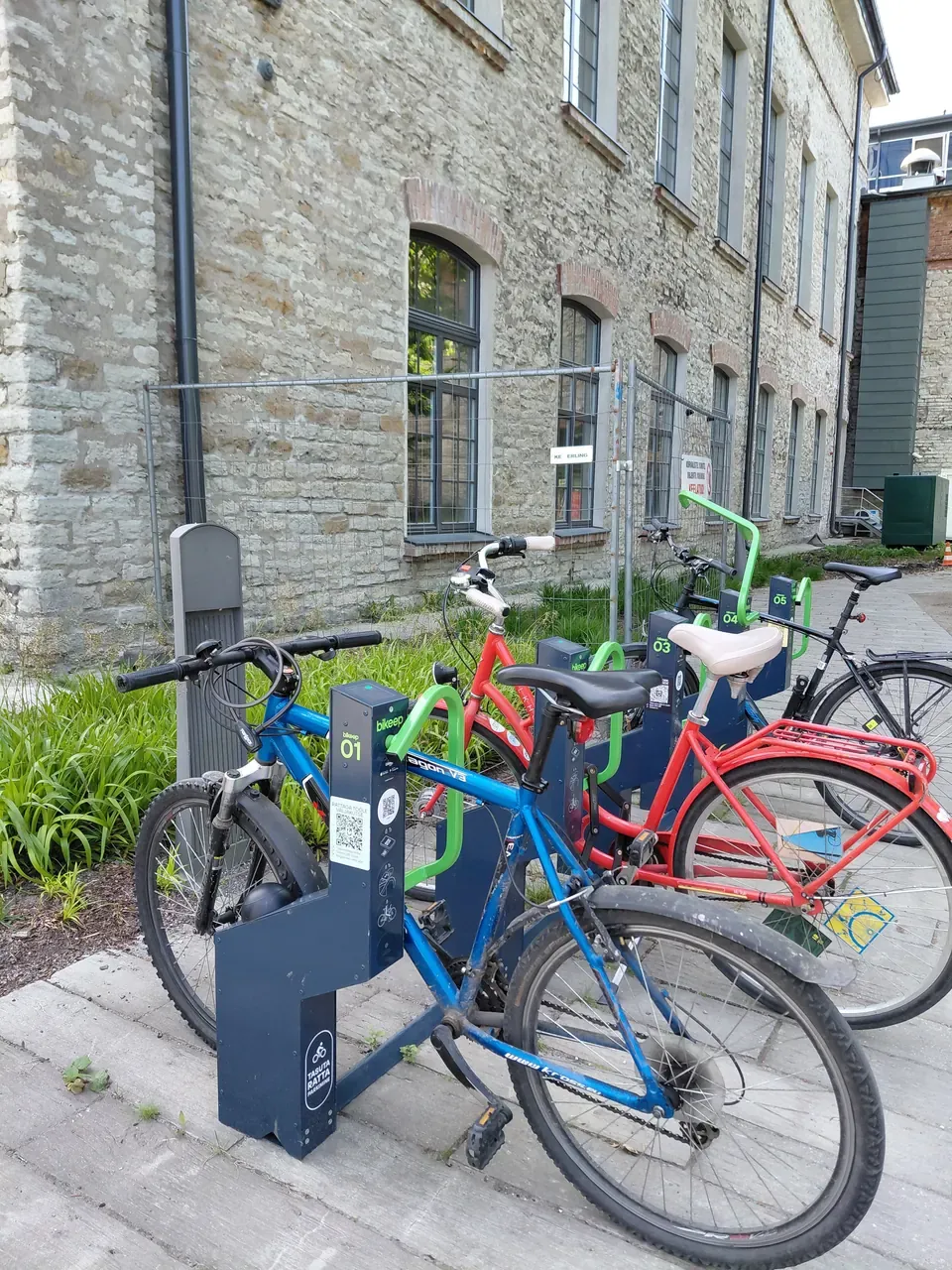
A Bikeep smart bike parking station clamps the bike frame with a patented locking arm, while a second pin secures the wheel. Tampering sets off a loud speaker alarm. The station body is 2.5 mm hot-dip galvanized sheet metal.
Riders lock and unlock with the free Bikeep app or any RFID/NFC card. There's no personal lock to carry or forget.
The operator sees every station, dock and parking session live in the Bikeep Console. The campus plans its parking from usage data instead of complaints.
Ülemiste City is a privately developed business campus with more than 400 companies. About 18,000 people work, study and live there.
Its developer aims for a car-free city center by 2030. Bike theft on the campus stood in the way.
After weighing several options, Ülemiste chose to promote bike commuting as the most effective answer. People needed to feel safe leaving a bike for a full workday, and traditional racks were judged not secure enough. So Ülemiste built a campus-wide network of Bikeep stations, free for every rider.
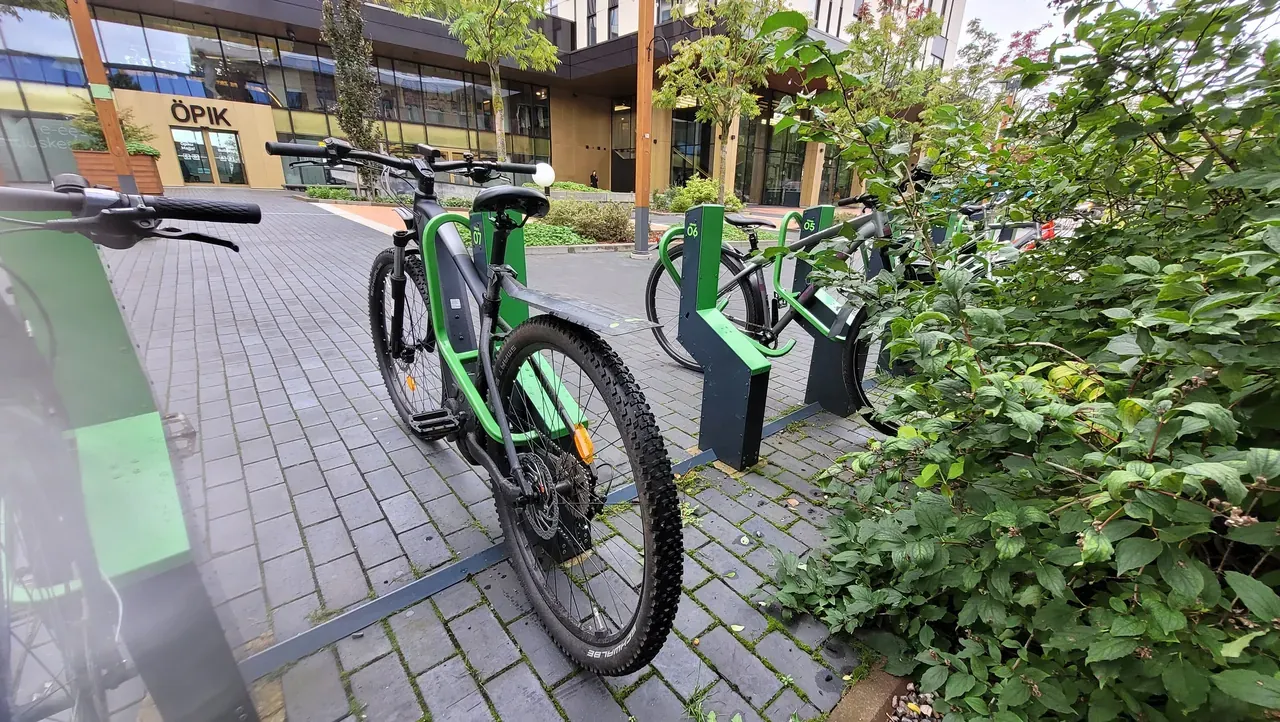
As of September 2026, the network has 26 live stations with 239 docks. They stand outside offices, a gym, a health center, a supermarket, a science center and a parking garage. When the Ülemiste City case study was written, there were 22.
"This raises the importance of micromobility solutions. That's why we partnered up with Bikeep, who plays an important role to provide seamless service for cyclists."
Ursel Velve, then CEO of Mainor Ülemiste, the developer of Ülemiste City
The case study lists the outcomes.
Ülemiste also runs the stations itself. It sees every station in real time, including how long each bike has been parked, and can contact an owner when needed.
"We've decreased car parking spots by 50%, our property is green and follows smart city concepts, and we have achieved a higher LEED certification thanks to our sustainable practices and cooperation with Bikeep. People feel safe and satisfied here."
Ursel Velve, then CEO of Mainor Ülemiste
Riders rate it highly, and they trust it with their bike all day.
Since January 2022, riders on the campus have rated their parking 1,634 times. The average rating is 4.89 out of 5, and 97% of ratings are five stars.
How long people stay shows the same trust. Riders have parked more than 45,000 times since 2022, and the median stay is 6.4 hours. Six in ten parkings last between four and twelve hours, which is a working day.
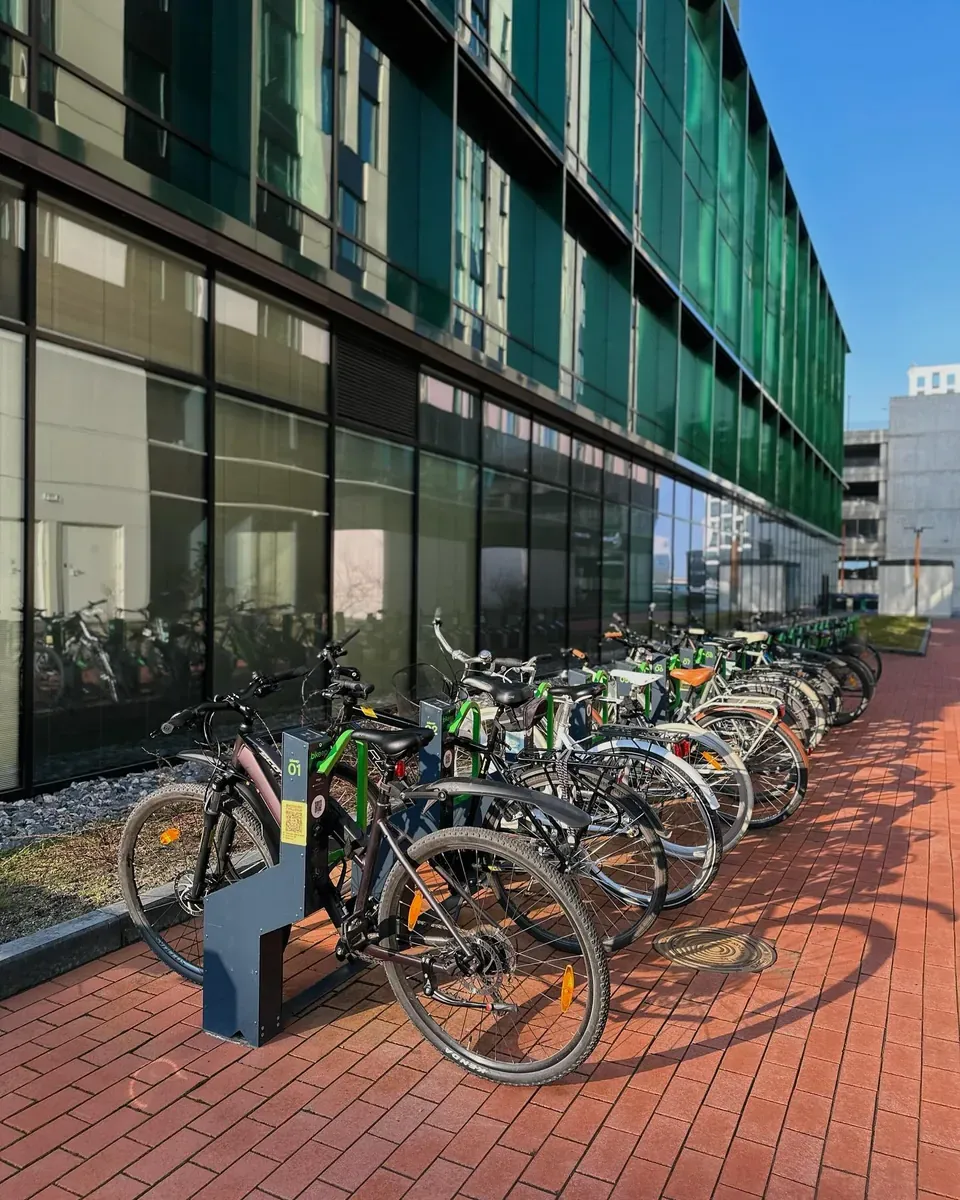
A few details make the difference.
"The Bikeeps are a godsend!"
Rider at the MyFitness station, Ülemiste City
A rider at the campus supermarket put it in Estonian as "superäge lahendus", a super cool solution.
Because a car-free campus depends on the last few hundred meters.
Ülemiste's plan moves cars to the edge of the campus. From there, people finish the trip on a bike or a scooter.
"We would like to move cars to the perimeter, and last mile micromobility solutions like scooters and bike[s] will help people to move easily from cars to the place where they would like to go."
Ursel Velve, then CEO of Mainor Ülemiste
The campus already runs both. Four stations offer e-bike charging across 58 docks. Two e-scooter stations add another 15 docks, and riders have parked scooters there more than 2,400 times since 2022.
The station controls the charging.
E-scooters lock by the stem, the strongest point on the scooter, and a tamper alarm guards every dock.
Bikes, e-bikes and scooters all run on one app and one console. The next step at Ülemiste is more charging and scooter capacity. The case study sets the trigger. When occupancy passes a set threshold, the network grows.
A campus plans in decades, so its parking has to last.
Bikeep's first stations went into service more than 12 years ago, and they are still working. At Ülemiste, 17 of the 26 stations are Bikeep's first-generation hardware. They run side by side with newer stations, on the same app and the same console.
That means a campus can add capacity later without replacing what's already in the ground.
Three lessons carry over to any campus.
Ülemiste's network grew one building at a time, and every new building on the campus is now planned with Bikeep stations. Our page on bike parking for offices covers how this works for workplaces of any size.
As of September 2026, Ülemiste City has 26 live Bikeep stations with 239 docks. Twenty-four are for bikes and two are for e-scooters.
Yes. Ülemiste City offers the parking free of charge to everyone on the campus.
Yes, at four stations. Riders plug in their own charger, and the bike and charger lock inside the dock while it charges.
With the free Bikeep app or any RFID/NFC card. Locking takes a few seconds, and there is no personal lock to carry.
Bikeep's first stations went into service more than 12 years ago and are still working. At Ülemiste, first-generation stations run alongside newer ones on the same platform.
Mentioned in this article
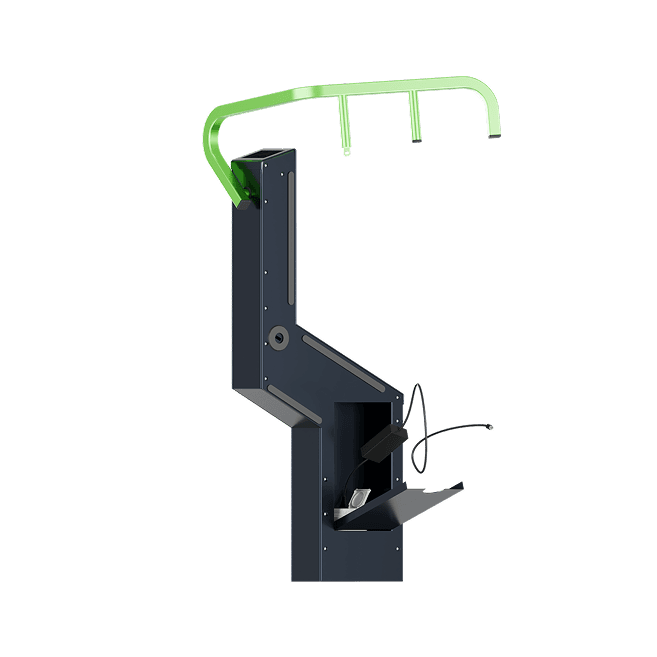
Bike Parking & Charging Station
Secure parking with integrated e-bike charging. Bring-your-own-charger model — bike and charger both locked and secured.
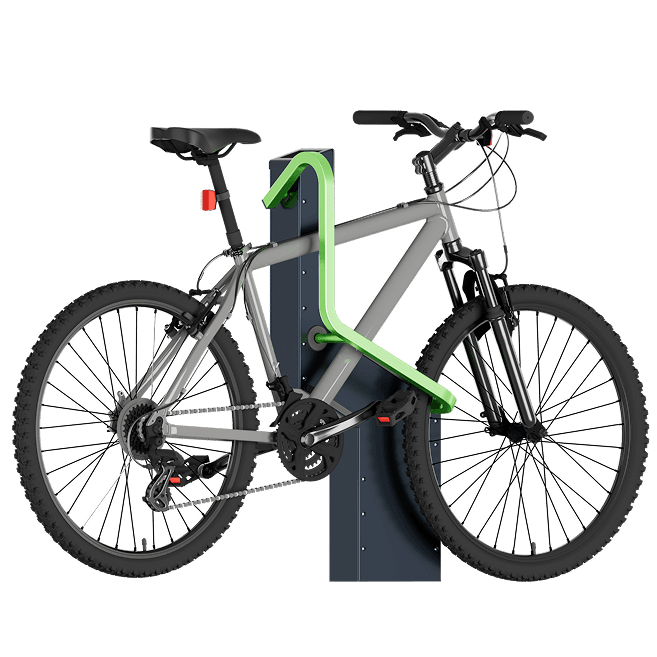
Bike Parking Station
Secure short-term parking.
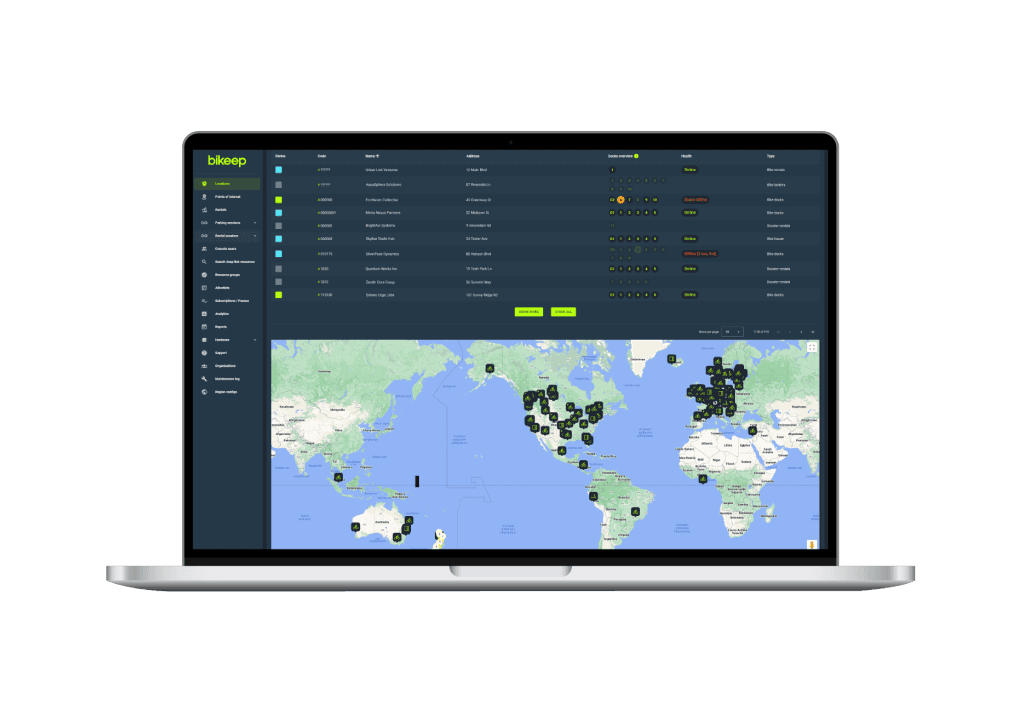
Bikeep Console
Access lists, cards, expiry dates, reports and maintenance for every site in one dashboard.
Bike theft keeps office tenants off their bikes. At Cityview Plaza in San Jose, a 10-dock secure bike parking station recorded zero thefts in two years.
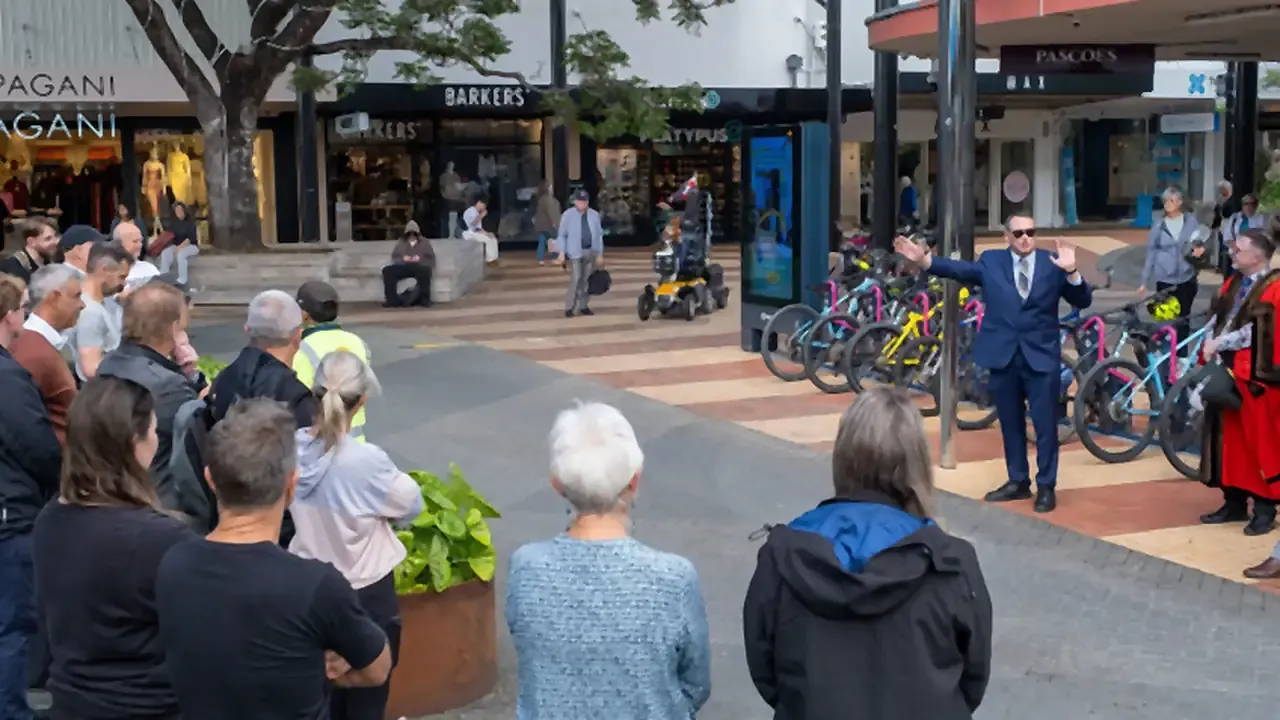
Kirsten Corson of Locky Dock on winning council backing for secure bike parking. Start with theft as the barrier to cycling, then the council's own goals.
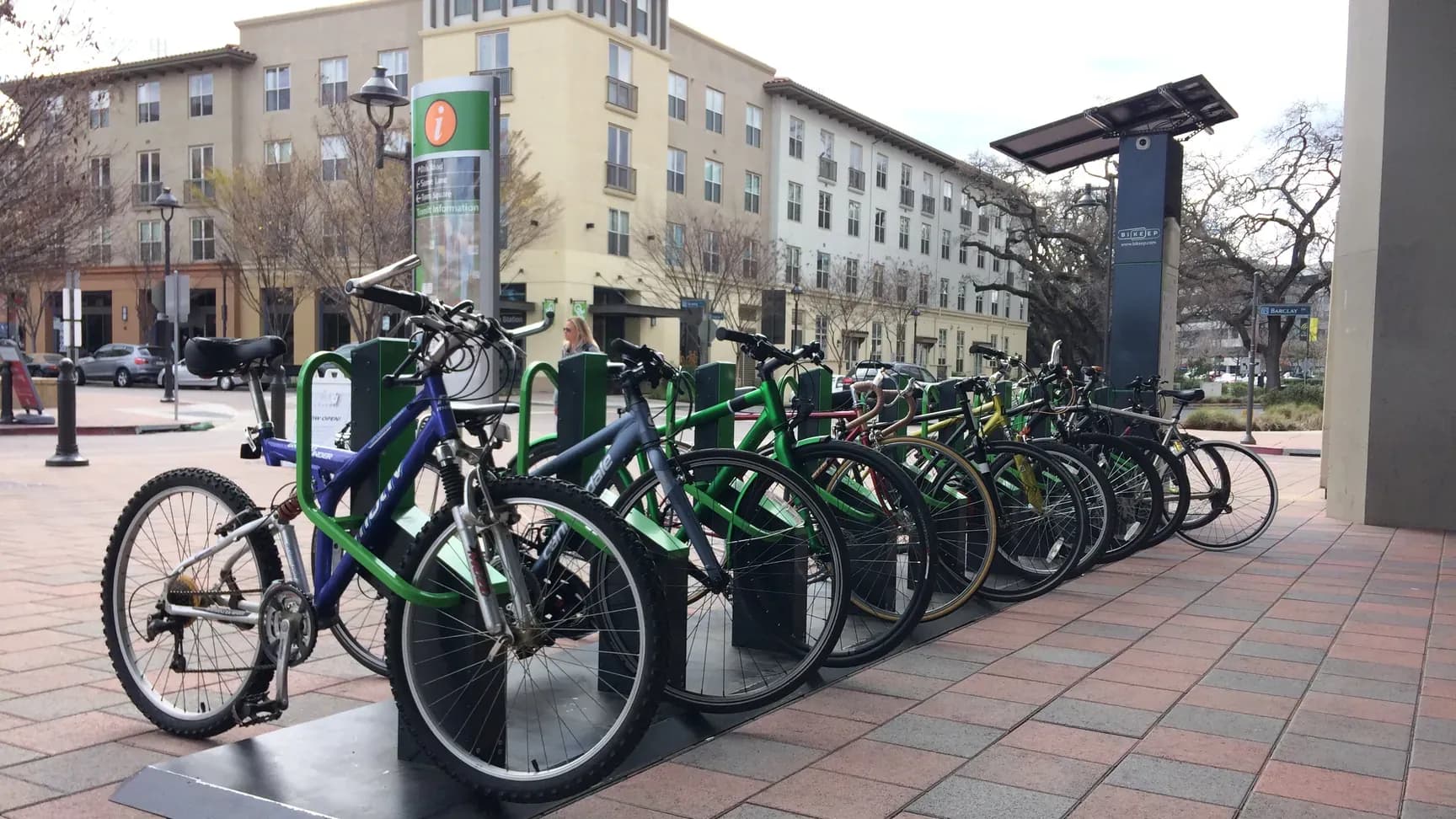
Since 2016, Bikeep smart bike parking stations at BART have cut bike theft and outlasted a decade of daily use across the Bay Area transit network.