Insight
Two lessons for scaling a bike parking business
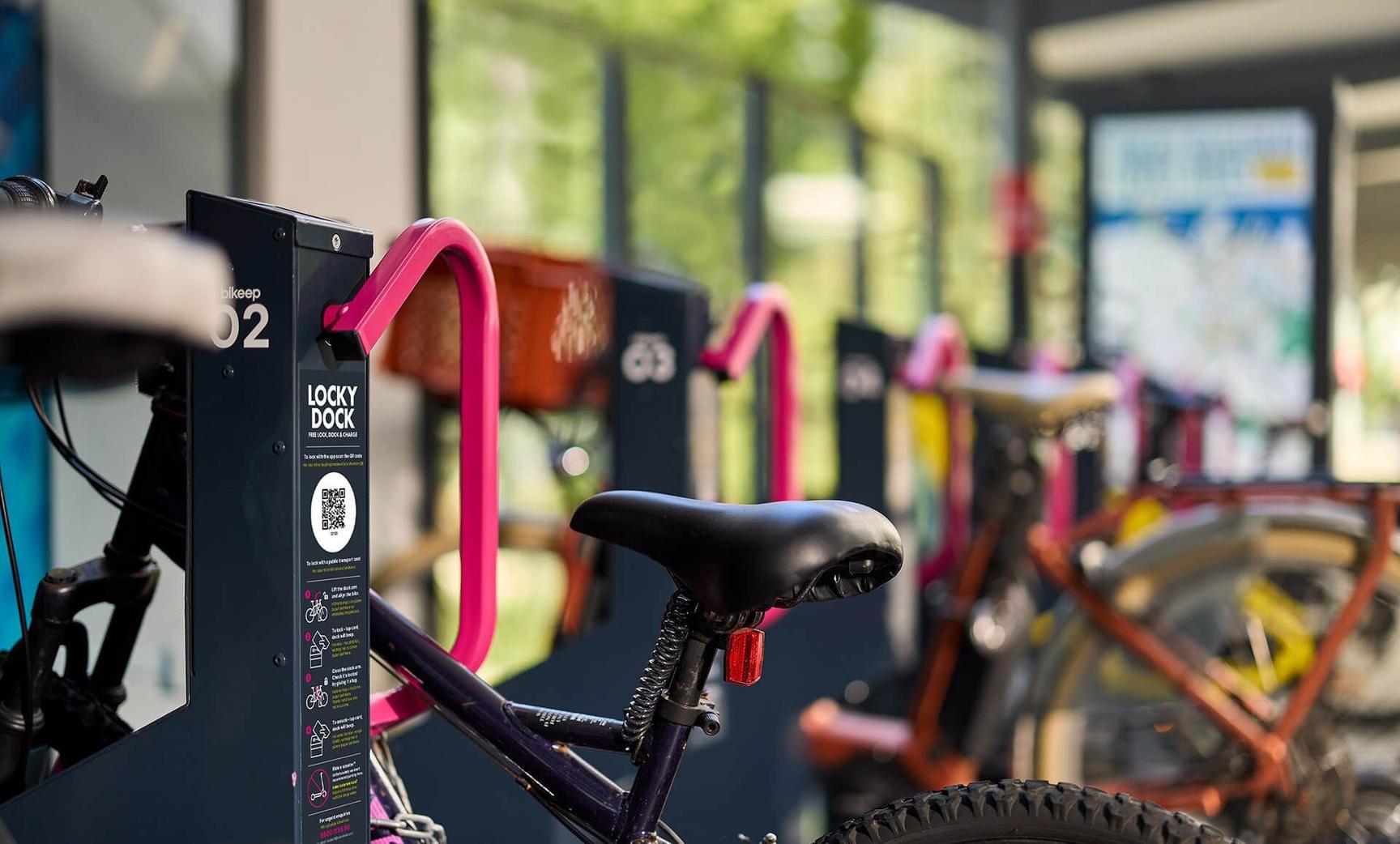
Kirsten Corson of Locky Dock has two lessons for new operators. Fund stations with a media model, and build the pipeline with head-office agreements.
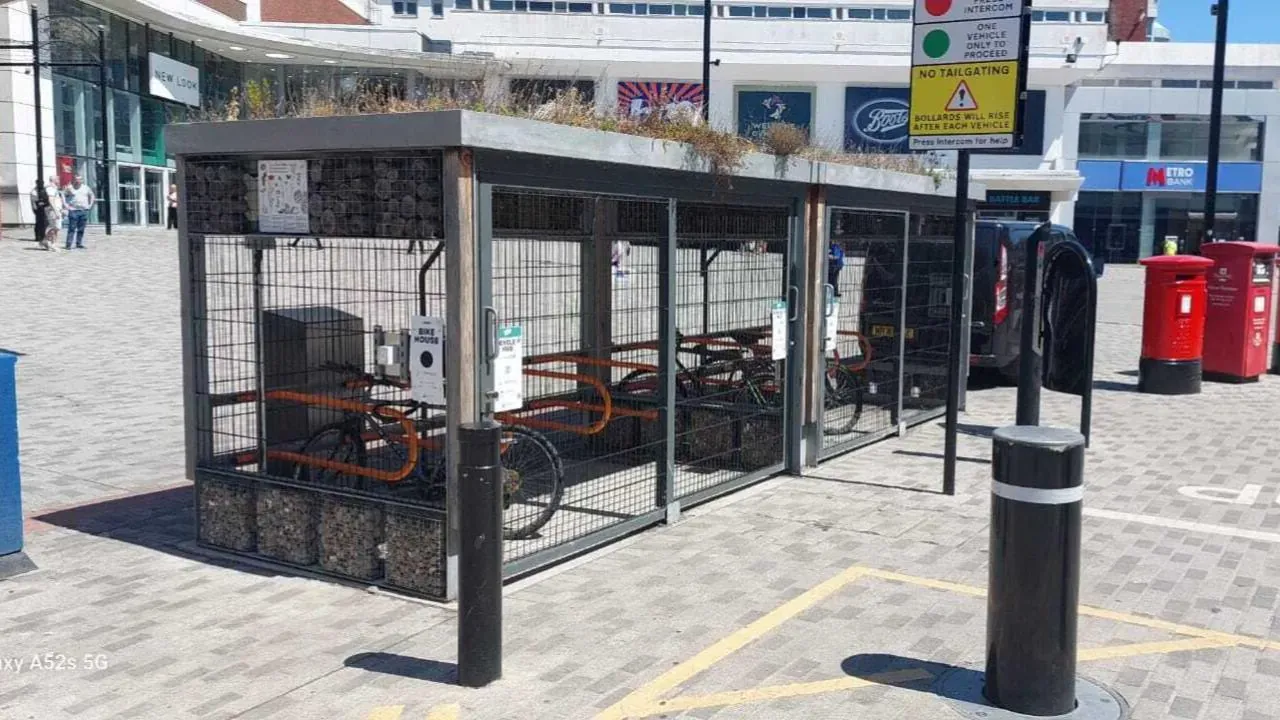
Southend-on-Sea City Council has finished its smart bike room rollout. In July 2025 it converted the bike shelter at Victoria Plaza, the central hub of the network, bringing every council bike room onto Bikeep smart access. Bailey Street Furniture Group delivered the work.
Earlier in 2025 the council put nine bike rooms on QR code entry and self-service passes. That first phase is described in Smart bike room access for Southend-on-Sea's Cyclepods shelters.
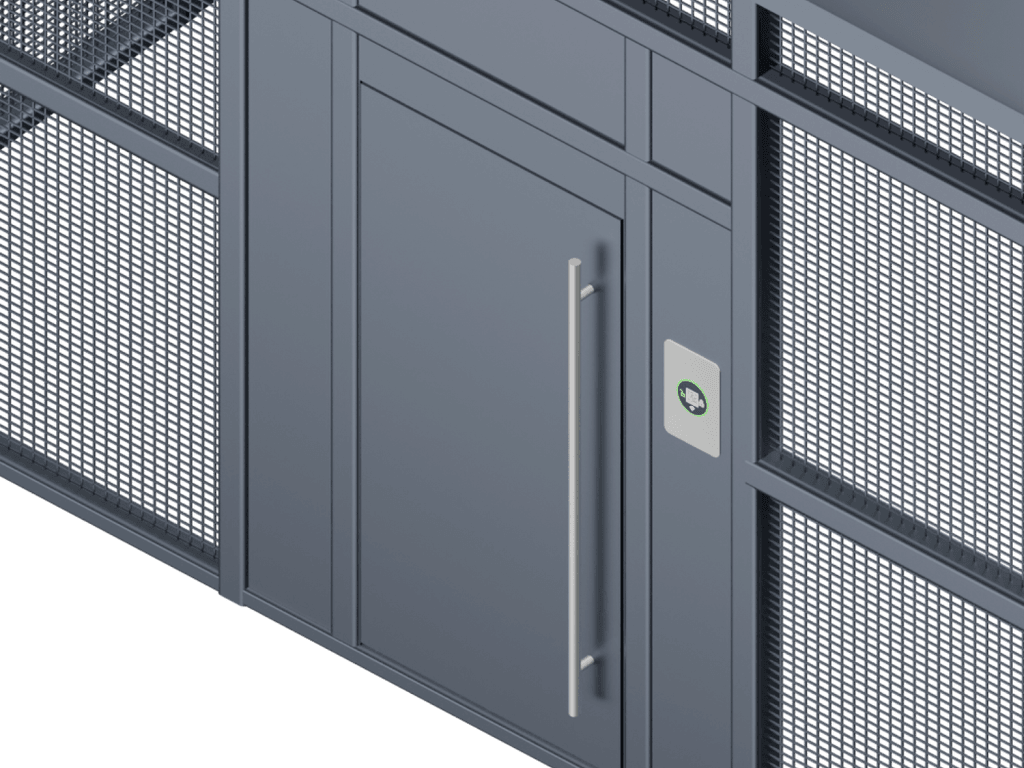
After three months of positive feedback from riders, the council turned to Victoria Plaza. Its shelter has four doors, and Bikeep fitted each one with its own smart controller from the bike room access kit. Every door can now be opened, monitored and managed on its own, from anywhere.
With Victoria Plaza done, Southend-on-Sea runs ten connected bike rooms.
Keys and access cards put off people who only want to try cycling, and they give staff no view of what happens in the rooms. A connected network fixes both. Commuters, shoppers and visitors to the seafront can get a secure place for their bike without paperwork, and the council can see how each room is used.
The full story is in the Southend-on-Sea case study.
Kirsten Corson of Locky Dock has two lessons for new operators. Fund stations with a media model, and build the pipeline with head-office agreements.
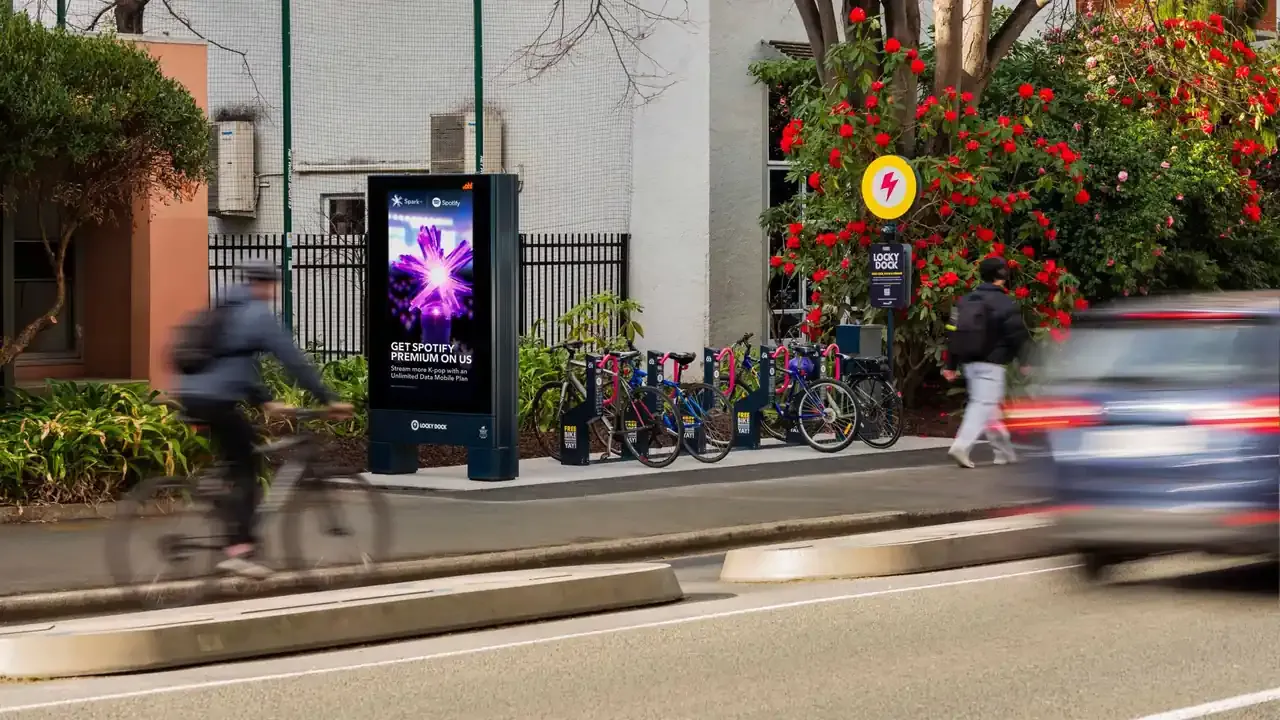
Kirsten Corson of Locky Dock names the wrong location as the costliest mistake. In an ad-funded network every site must suit riders and advertisers.
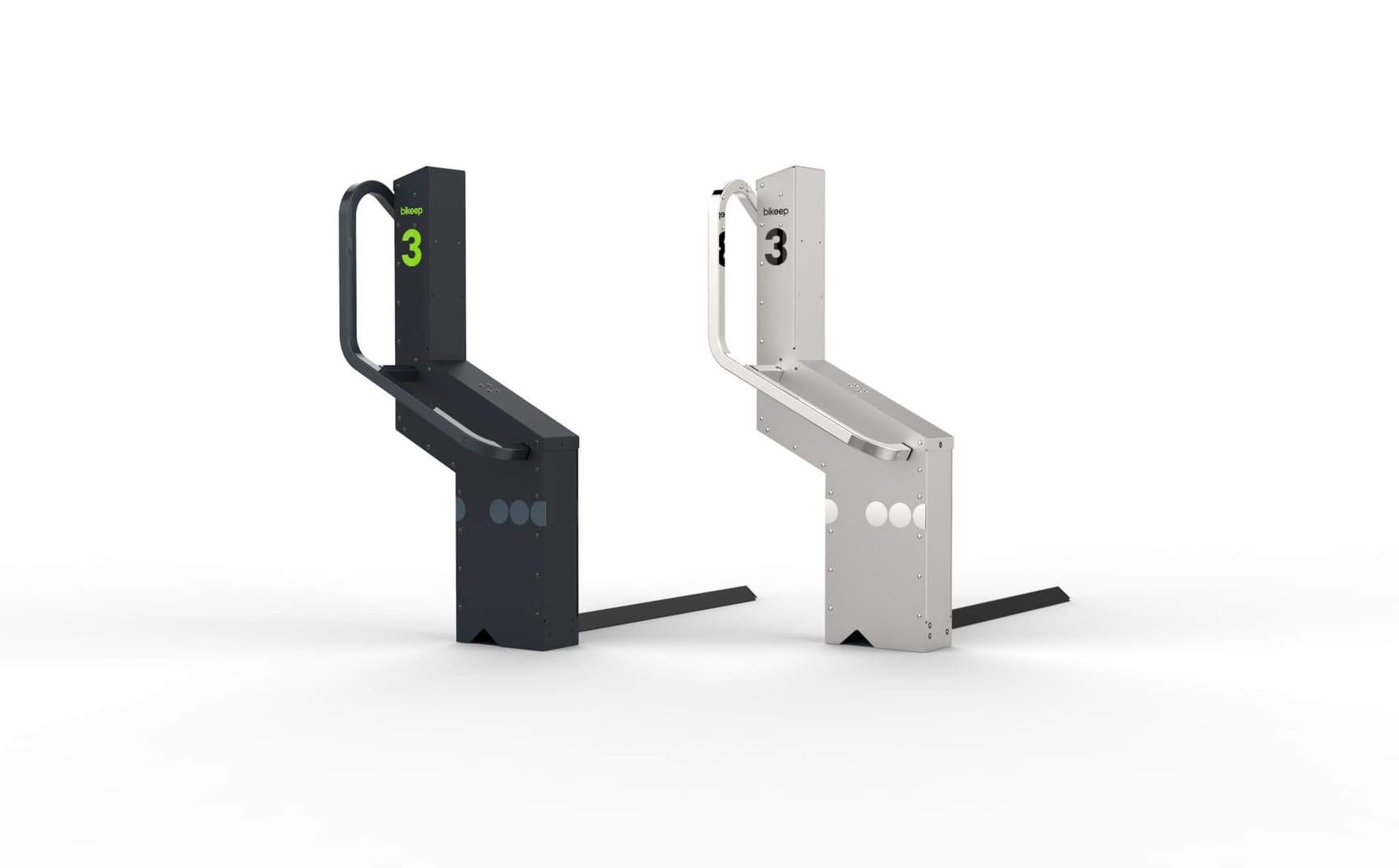
Locky Dock runs on Bikeep because of two things, hardware that stops theft and an IoT platform that runs the network. What to check in each.