Insight
Two lessons for scaling a bike parking business
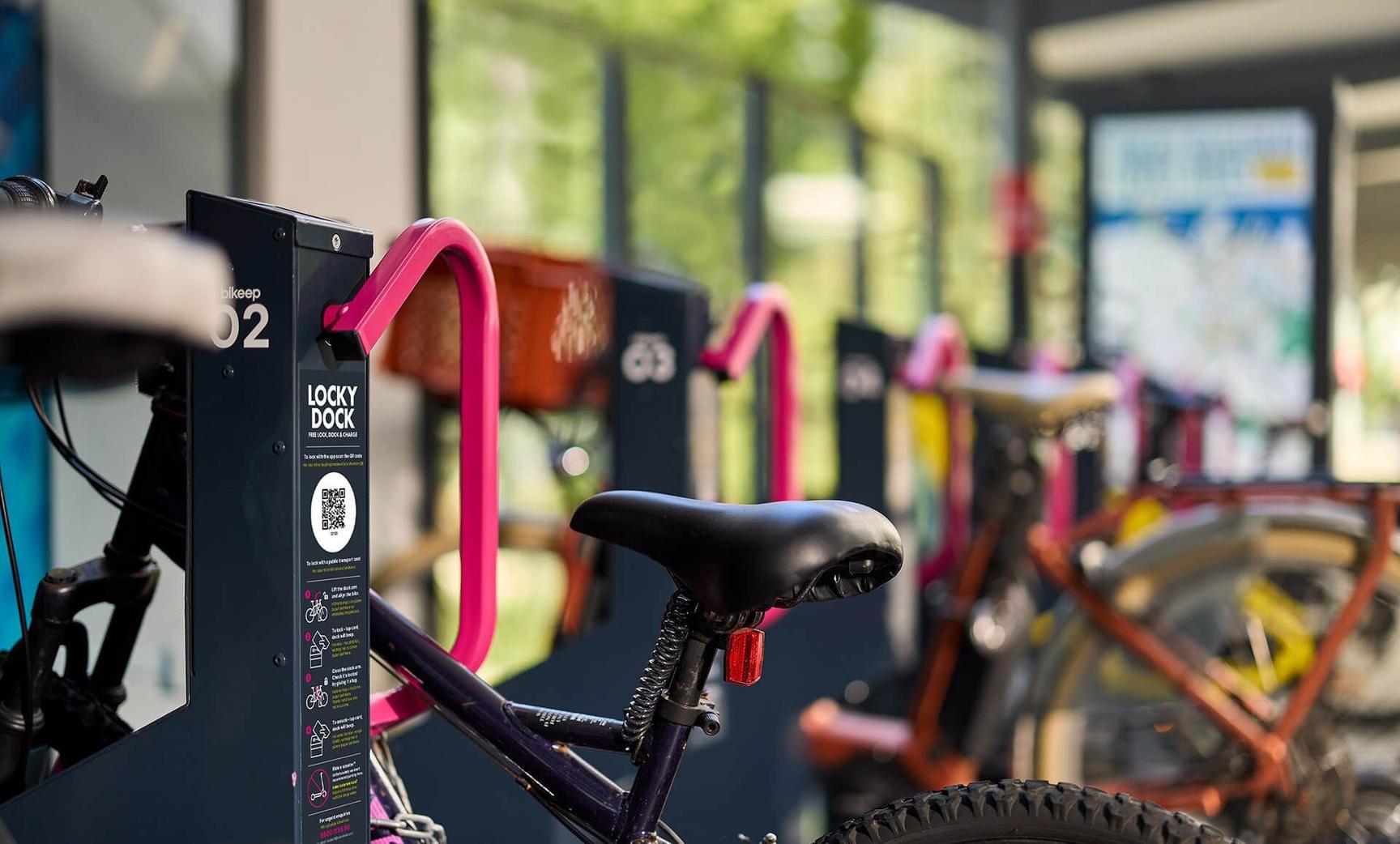
Kirsten Corson of Locky Dock has two lessons for new operators. Fund stations with a media model, and build the pipeline with head-office agreements.
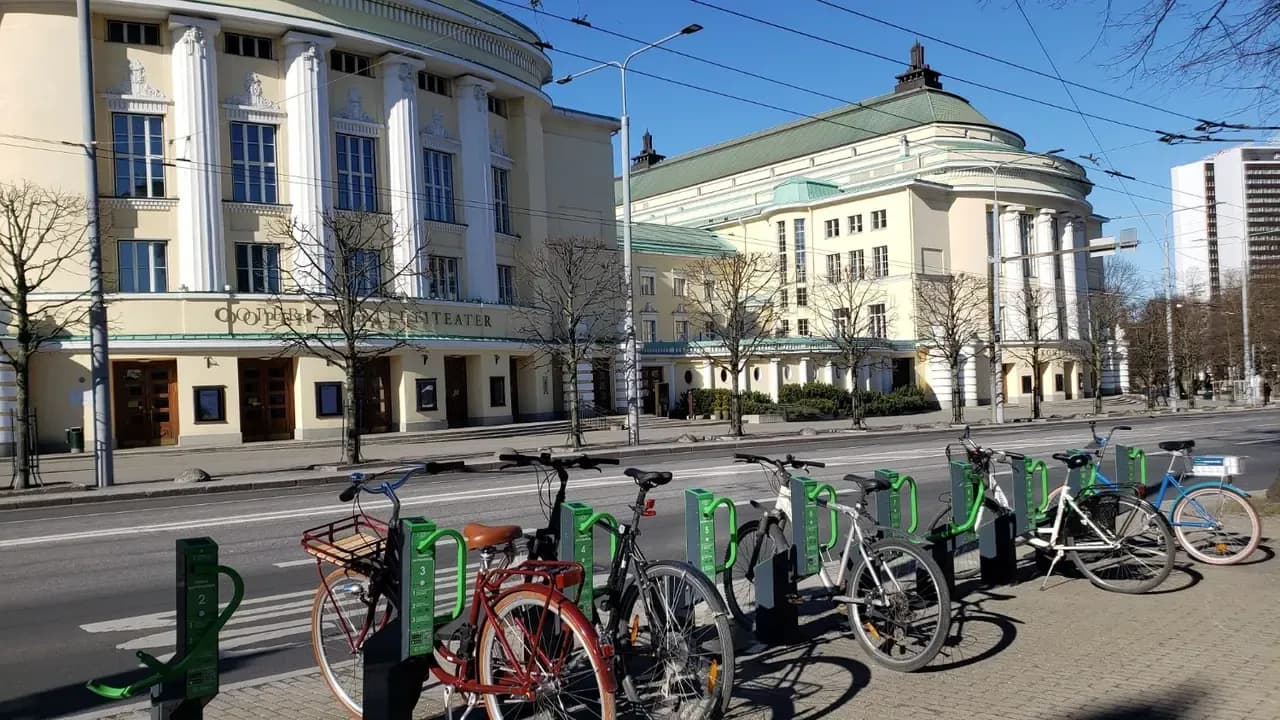
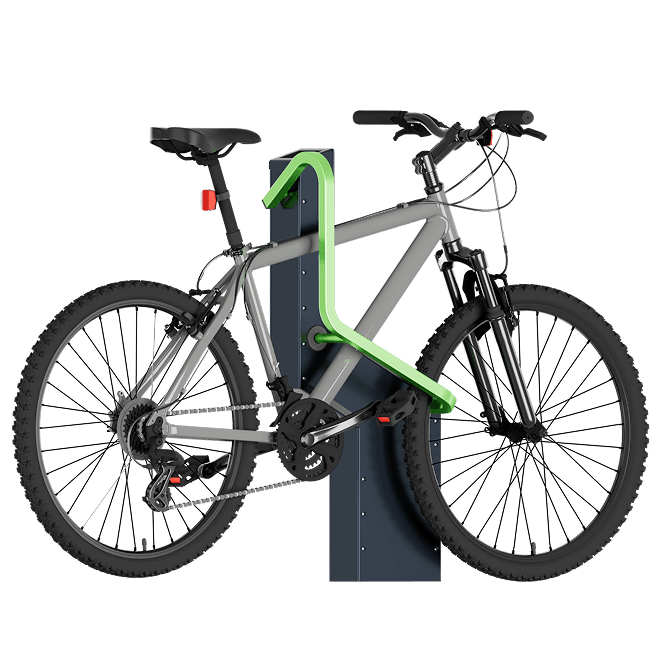
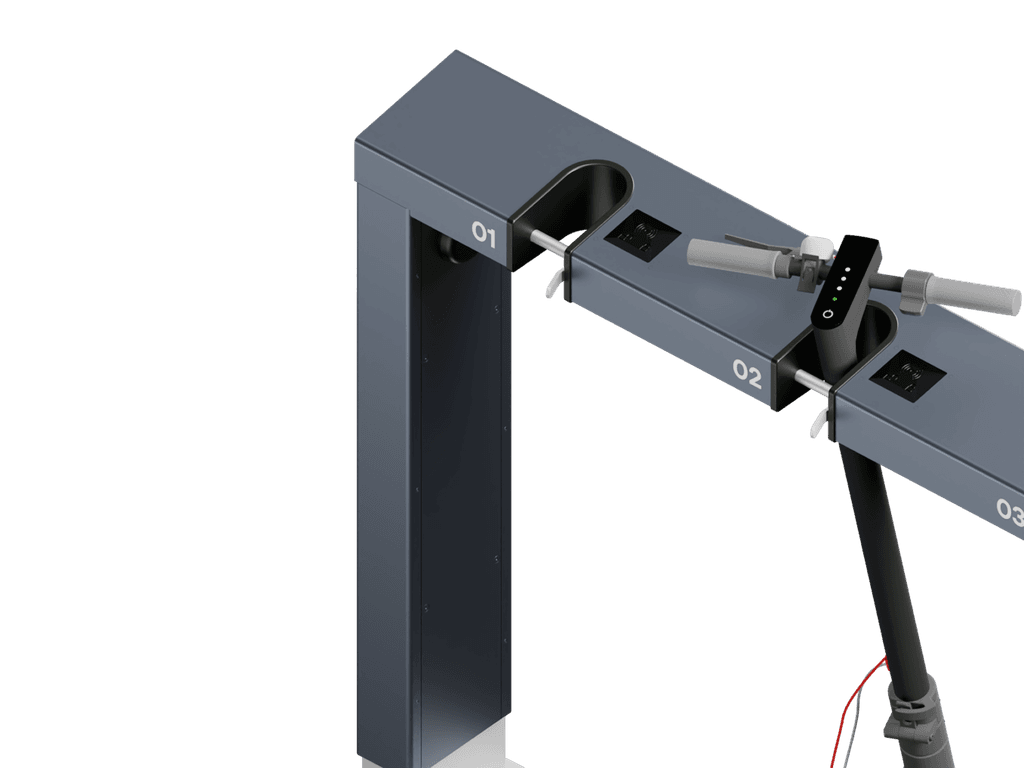
The City of Tallinn added ten Bikeep stations in the city centre for the 2025 cycling season. Four are smart bike parking stations and six are e-scooter parking stations, with five docks each. Parking is free, and riders unlock a dock with the Bikeep app or with Ühiskaart, the same card they use on Tallinn's buses and trams.
The stations sit where people arrive in the centre and switch between ways of getting around.
A rider opens the Bikeep app or taps an Ühiskaart card on the dock, and a locking bar closes over the frame or the e-scooter stem. Nobody needs to carry a lock. The same card that pays for public transport opens the dock, so riding to a tram stop and finishing the trip by tram takes no extra step.
From January 2025 to October 2026, the ten stations logged more than 3,300 parkings.
These ten join many more public Bikeep stations across Tallinn, at shopping centres, transit hubs and offices, like the ones at the Balti jaama market and the Ülemiste tram terminal.
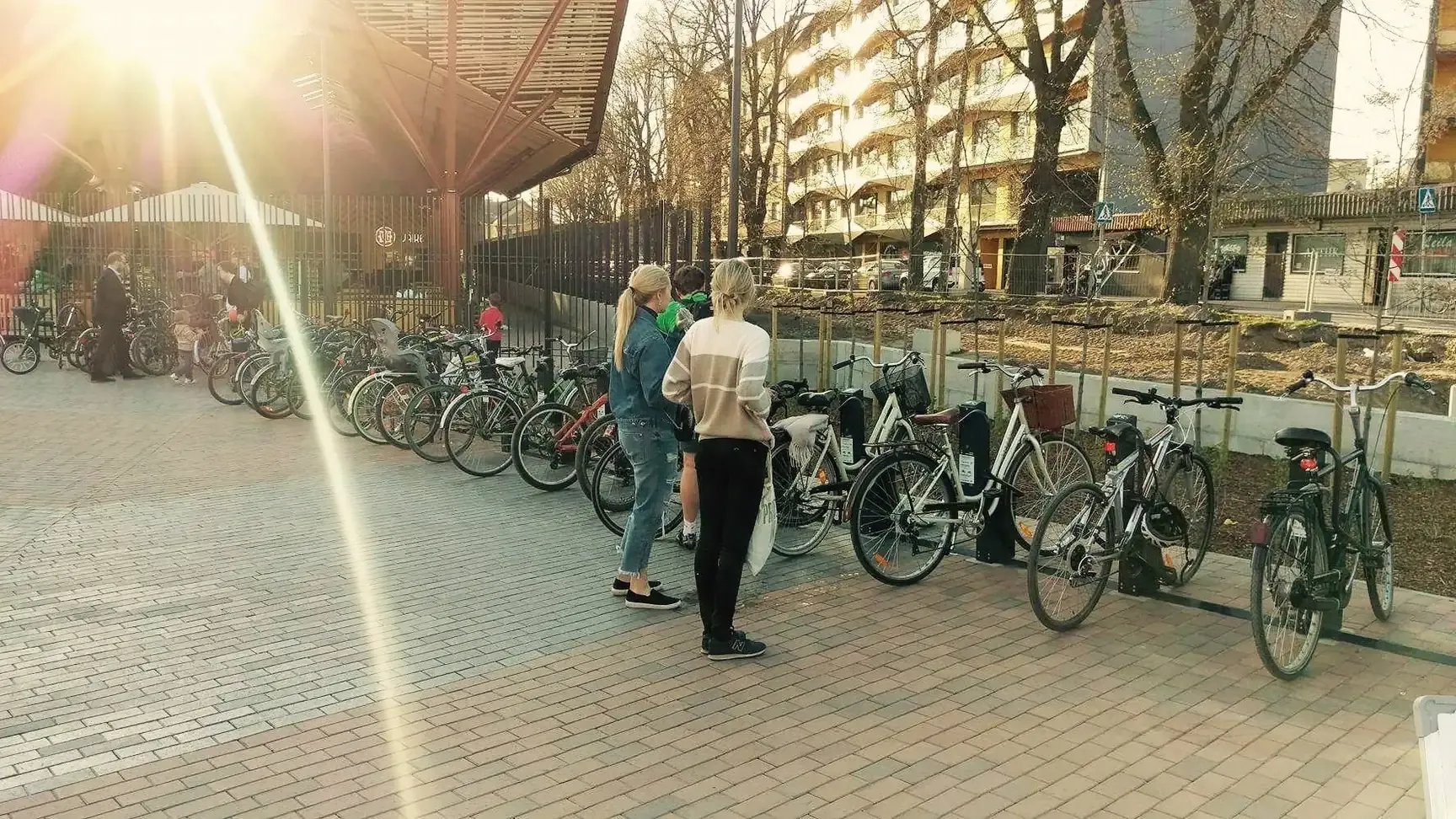
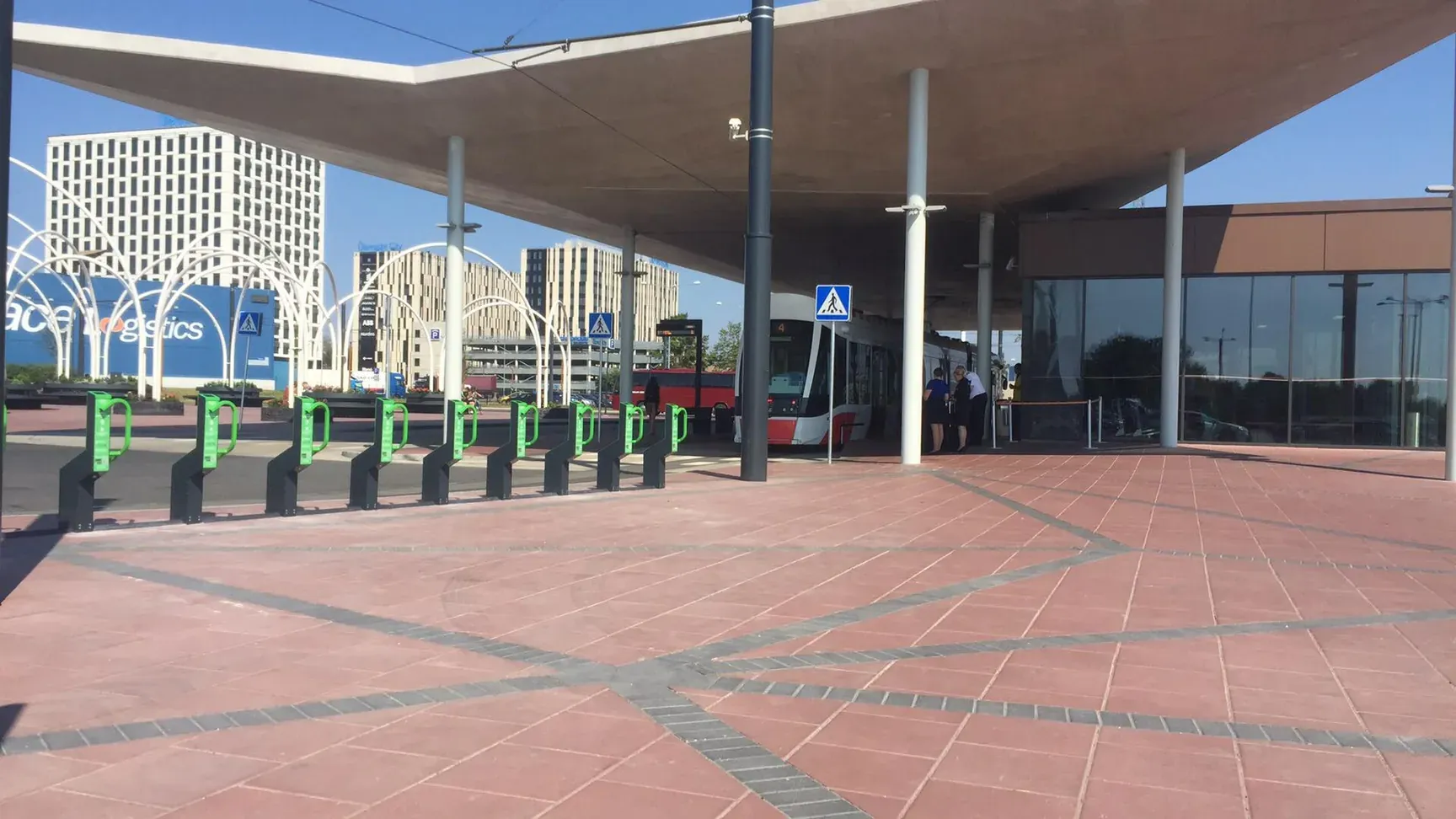
Bikeep works with cities to place stations where trips start and end, so a free, secure dock is waiting at both ends.
Kirsten Corson of Locky Dock has two lessons for new operators. Fund stations with a media model, and build the pipeline with head-office agreements.
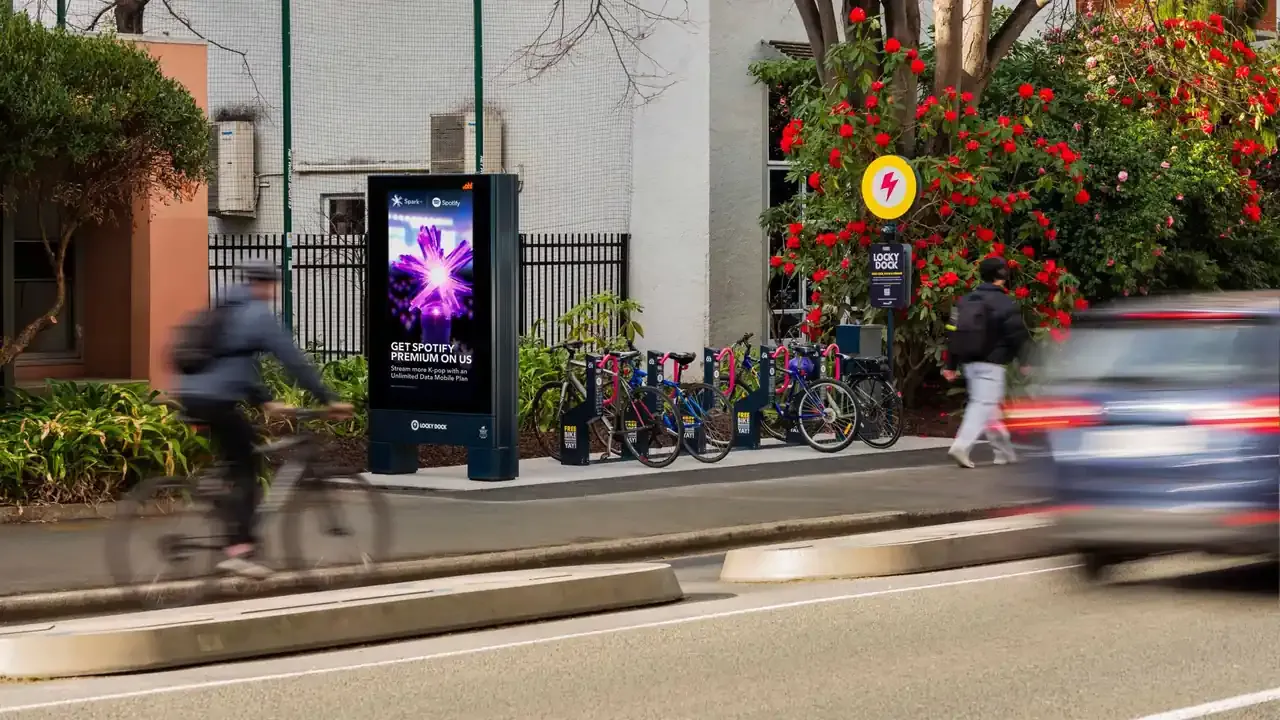
Kirsten Corson of Locky Dock names the wrong location as the costliest mistake. In an ad-funded network every site must suit riders and advertisers.
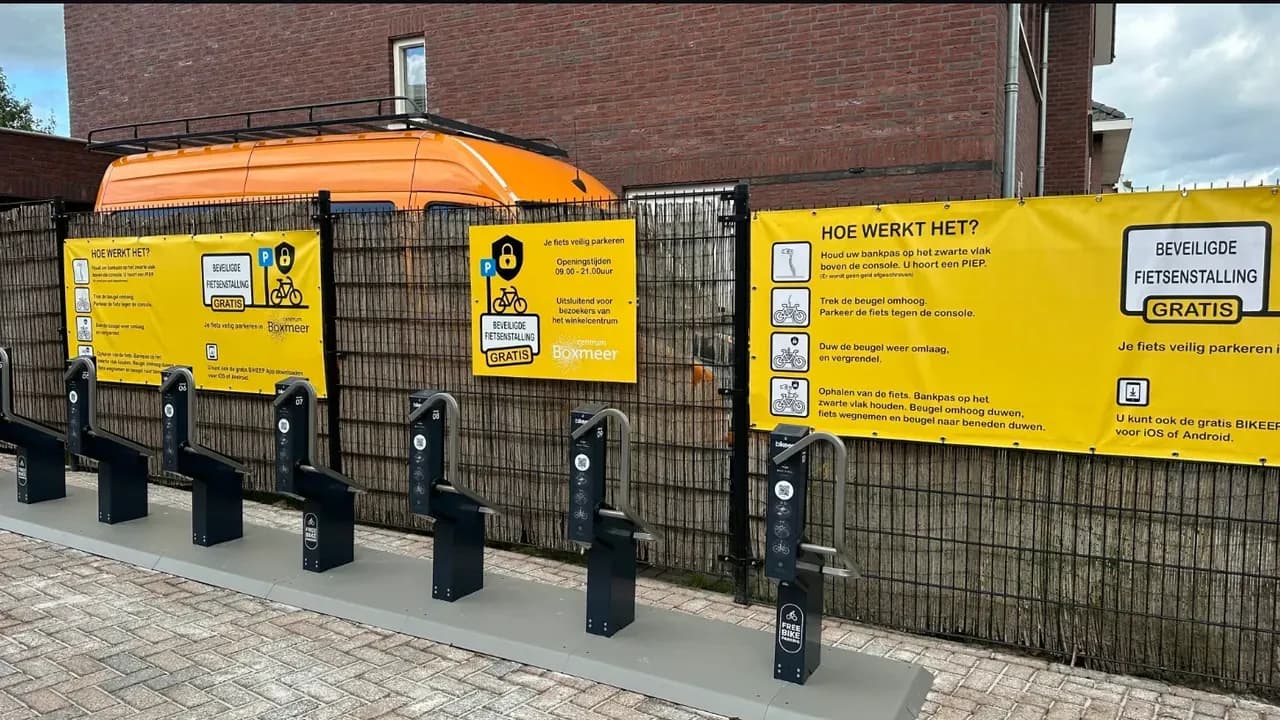
Ten free smart bike docks on Veerstraat bring Boxmeer bike parking to town center shoppers, locked and unlocked with a bank card or the Bikeep app.