Insight
An e-bike costs cents to run where a car costs dollars
An e-bike costs about 30 cents per 100 km to run in New Zealand, against about $20 for a petrol car. Secure parking decides whether riders switch.

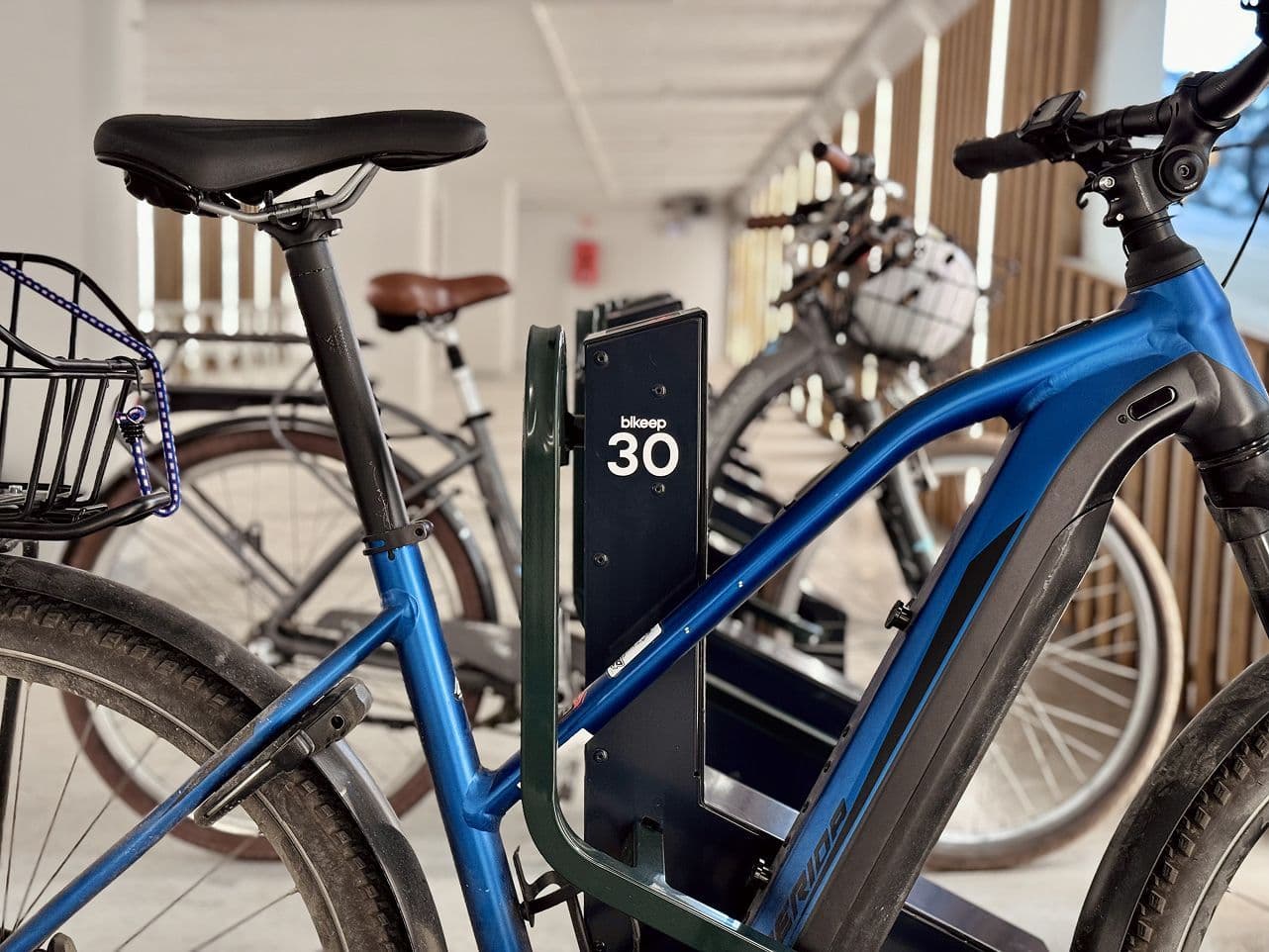
Gjøvik has a network of free Bikeep smart bike parking stations, run by Bikeep's Norwegian partner Baia Mobility. The station at Panparken, on Hunnsvegen, is part of it, along with stations at the travel centre, in the town centre, at the stadium and on the NTNU campus.
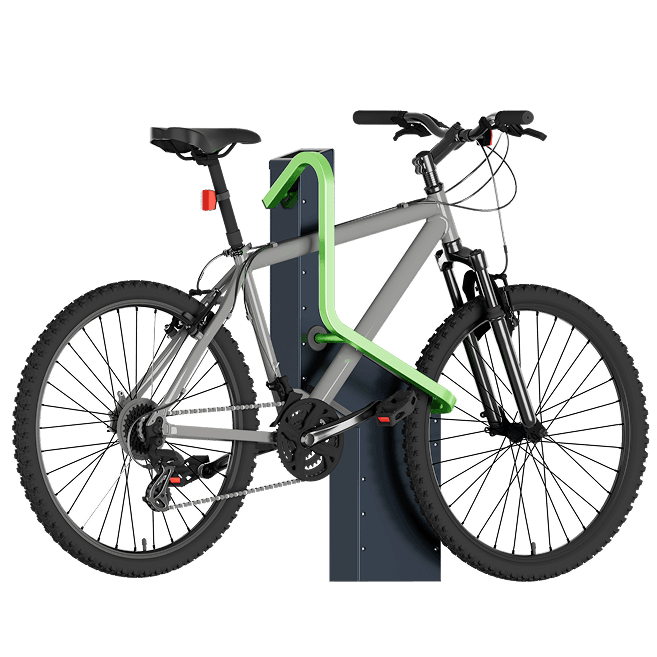
Riders unlock a dock with the Bikeep app or a contactless card. A locking bar holds the frame, so there is no need to carry a lock, and every dock sounds an alarm if someone tampers with a locked bike. Parking is free.
Across Baia Mobility's Gjøvik stations, riders have logged about 2,650 parkings. The campus stations are the busiest. The station at the Ametyst building alone has more than 1,200, so students and staff clearly use them as everyday parking.
Baia Mobility runs Bikeep stations across Norway, from shopping centres in Oslo and Bærum to bike hotels around Bergen. Read how Kolsås got secure bike parking at the station, or see how cities use Bikeep.
An e-bike costs about 30 cents per 100 km to run in New Zealand, against about $20 for a petrol car. Secure parking decides whether riders switch.
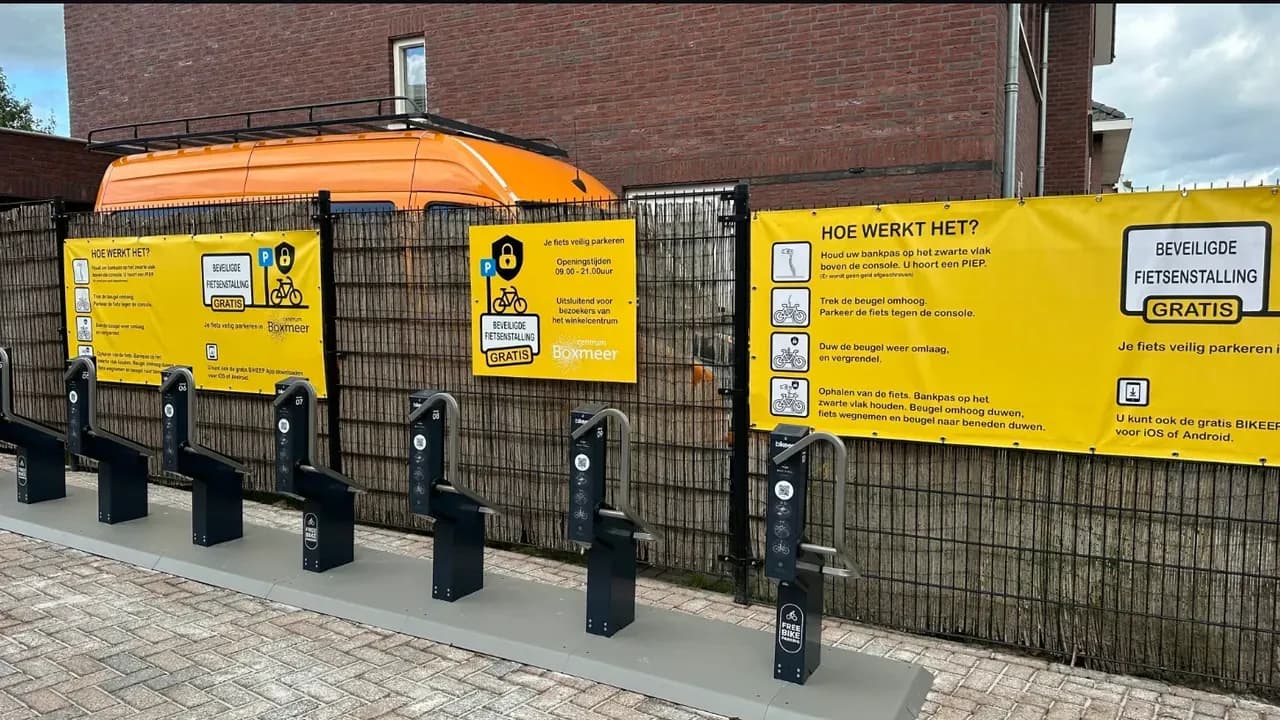
Ten free smart bike docks on Veerstraat bring Boxmeer bike parking to town center shoppers, locked and unlocked with a bank card or the Bikeep app.
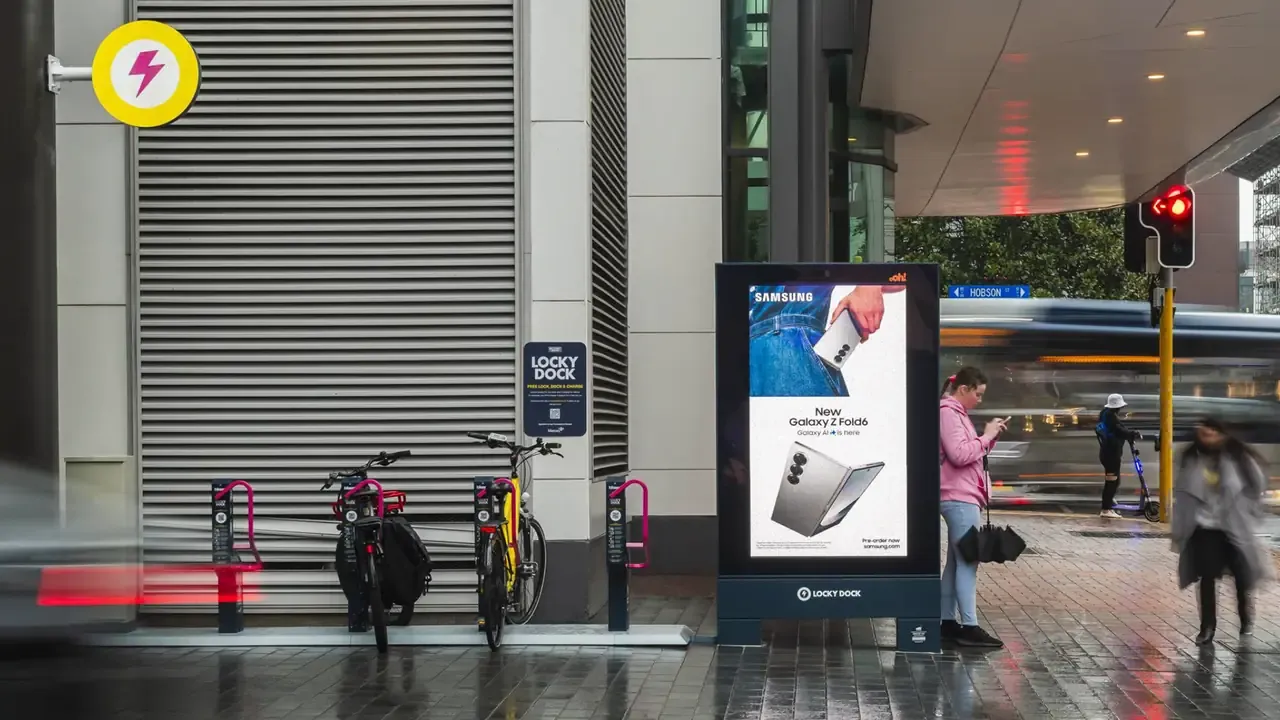
Locky Dock's media partner has set no limit on how many stations it wants. Why a bike station works as street media, and what that means for operators.