
News
Crisis has been an accelerator to micromobility growth
Bikeep CEO Kristjan Lind spoke on Äripäev radio about how the global crisis has acted as an accelerator for the micromobility sector and what it means for Bikeep's growth.

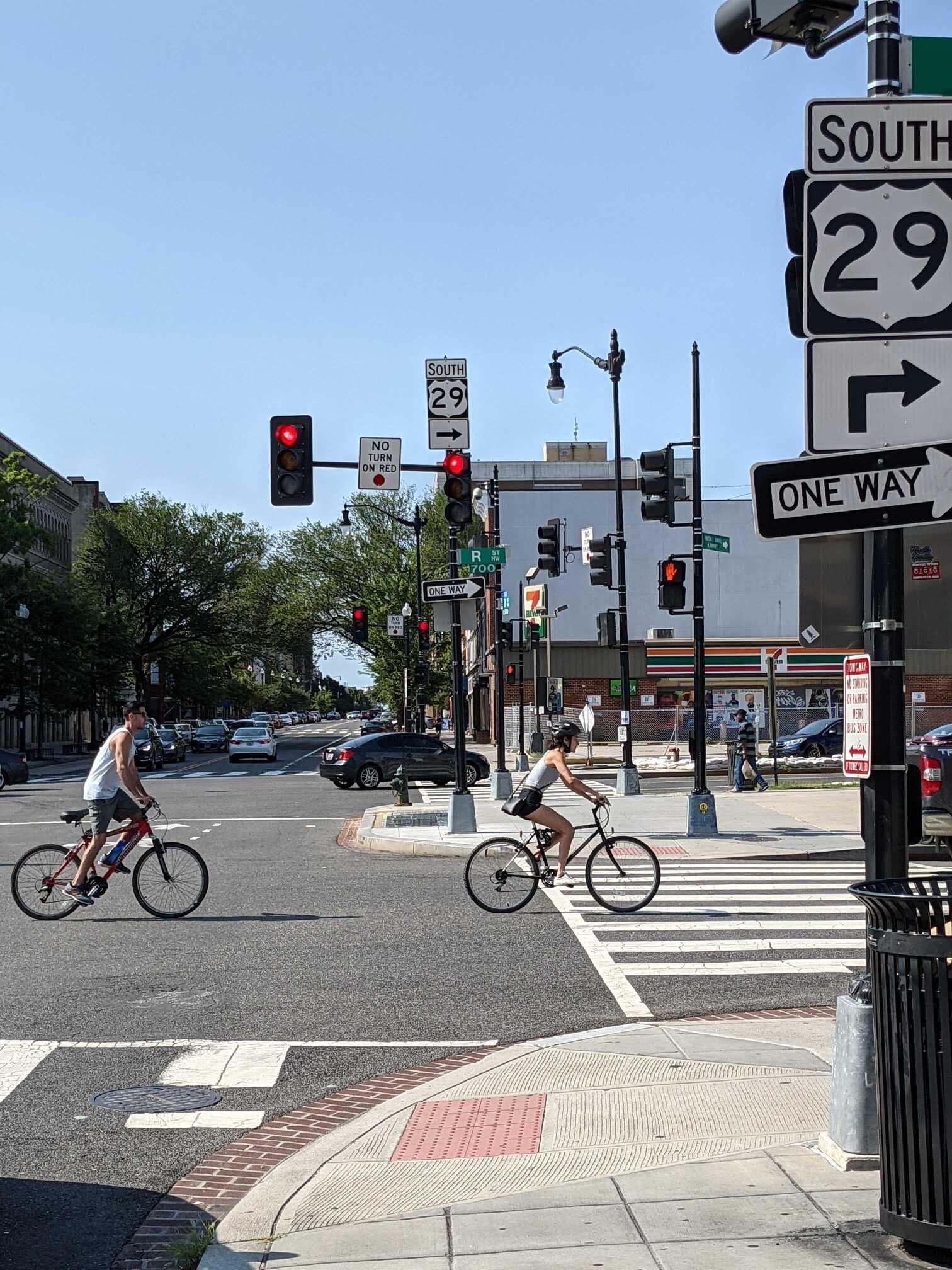
New bicycles are added to the streets every day. All those e-bikes and regular bikes need proper infrastructure to support them. Bikeep's CEO outlined in a quarterly report what this bicycle boom has meant for the business — and what it signals for the future of urban mobility.
According to the report, 130 million additional e-bikes are projected to enter streets worldwide in the coming years. This rapid growth in micromobility is creating significant demand for smart, secure bike parking and e-bike charging solutions at transit hubs, commercial properties, universities, and cities.
Bikeep's smart stations are designed to meet exactly this challenge — providing secure, connected parking and charging infrastructure that scales with the growing number of cyclists commuting and traveling by e-bike.
Bikeep CEO Kristjan Lind spoke on Äripäev radio about how the global crisis has acted as an accelerator for the micromobility sector and what it means for Bikeep's growth.

Bikeep CEO Kristjan Lind shares his perspective on 15-minute cities — why supportive urban environments, active mobility infrastructure, and reducing car dependency are essential to liveable cities.
TransLink in Canada now offers smart, secure bike garages at transit stations through a partnership with Urban Racks and Bikeep's IoT technology, helping commuters combine cycling with public transit.