Installation
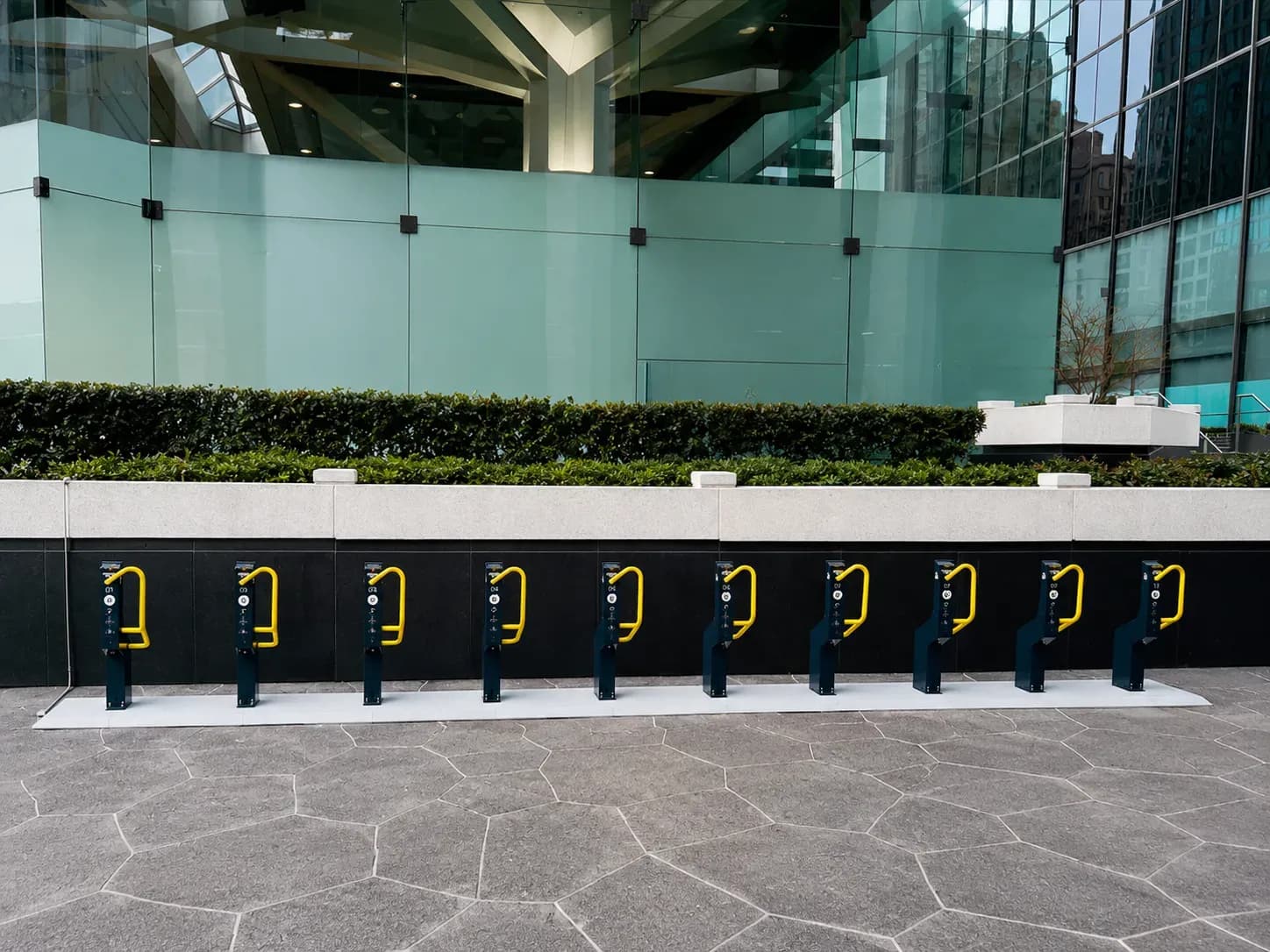
Secure smart bike parking at Four Bentall Centre in downtown Vancouver
A 10-dock Bikeep station brings secure smart bike parking to Four Bentall Centre on Dunsmuir Street, downtown Vancouver's protected bike-lane spine.
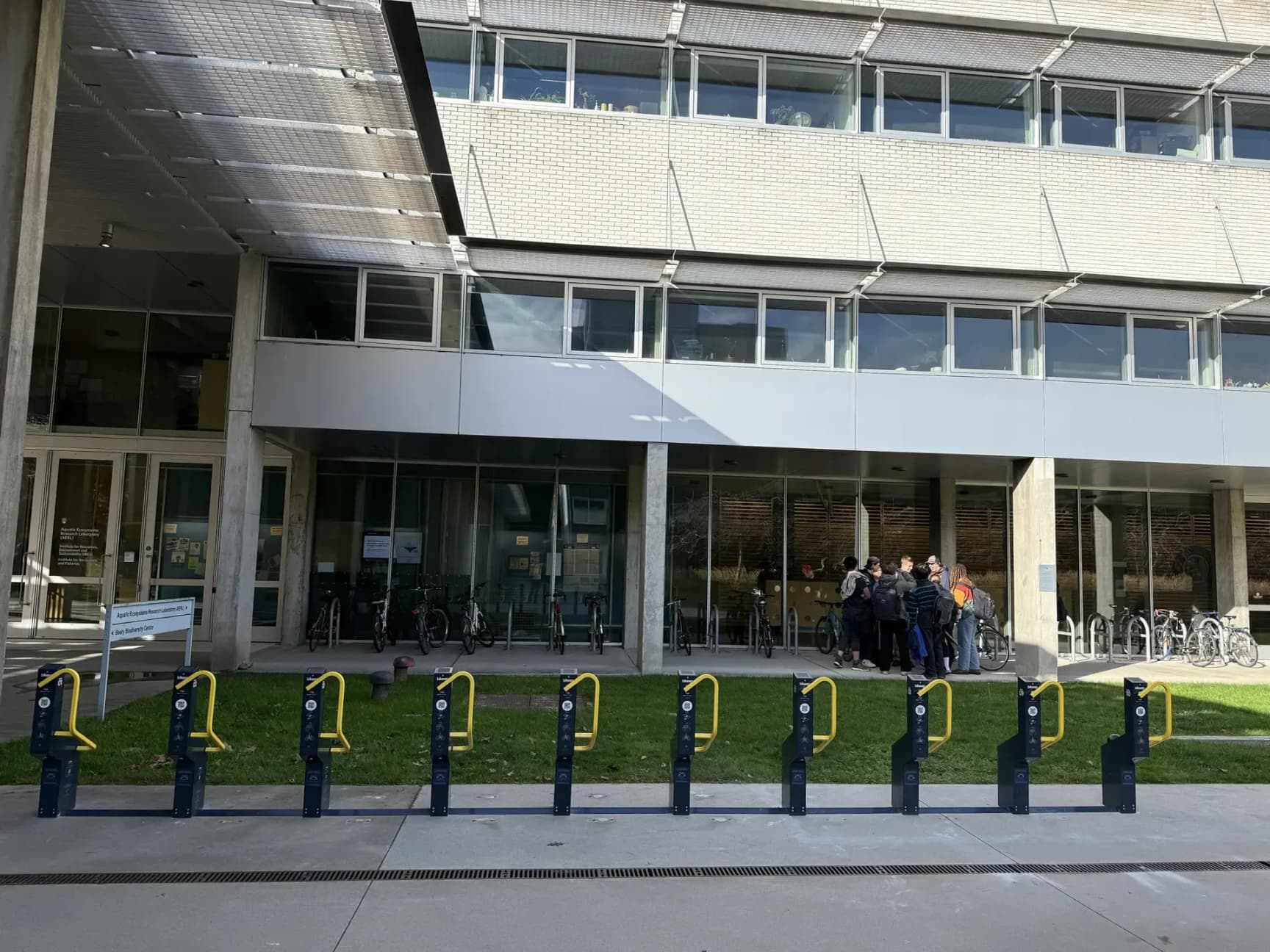
Bikes are the most commonly stolen item on the UBC Vancouver campus, and the University of British Columbia receives around 150 reported bike thefts every year. For a campus that wants more students on two wheels, that is a problem with a cost: every stolen bike is a student who thinks twice about cycling next term.
This is the story of how UBC's Point Grey campus answered that problem — not with another bike rack, but with a connected, solar-powered secure bike parking network for universities, and what six months of live data is now showing.
A bike theft is rarely just a bike theft. It is a first-year who bought a used bike "so it wouldn't get stolen" and watched it get stripped for parts anyway. It is the spike every September when new students and new bikes arrive together. And it is the slow erosion of a sustainable-transport goal, because a cyclist who loses a bike often does not replace the habit.
UBC has worked the problem hard — campus security patrols, registration programs, lockers and cages. Those help. But the gap stays open in the most ordinary moments: the bike left for two hours outside a library or a gym, in a spot a thief can reach in seconds.
Closing that gap takes secure parking that is easy enough to use for a quick errand and trusted enough to use all day.
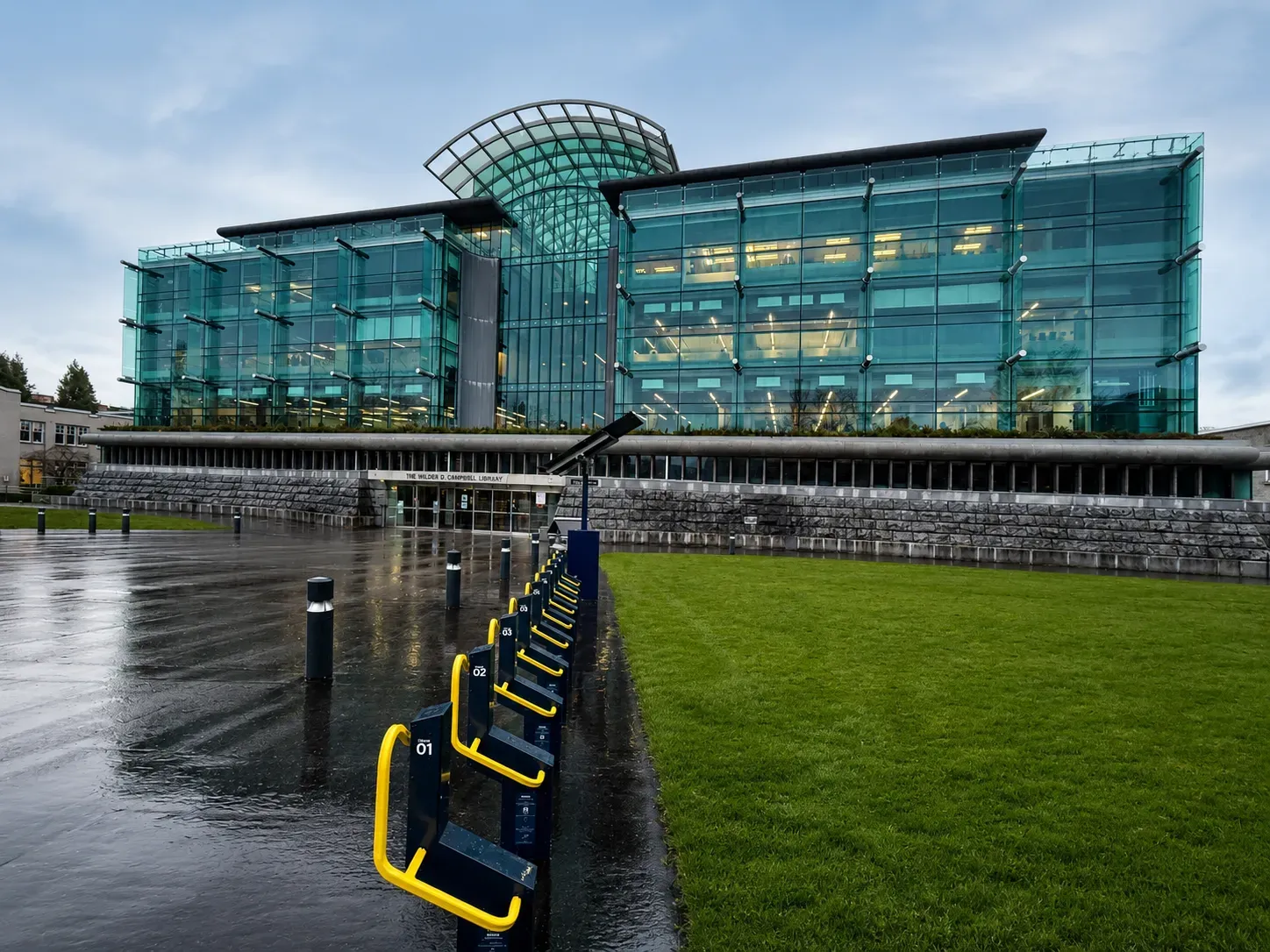
UBC, working with installation partner Monashee Racks, deployed a six-station Bikeep network across the Point Grey campus:
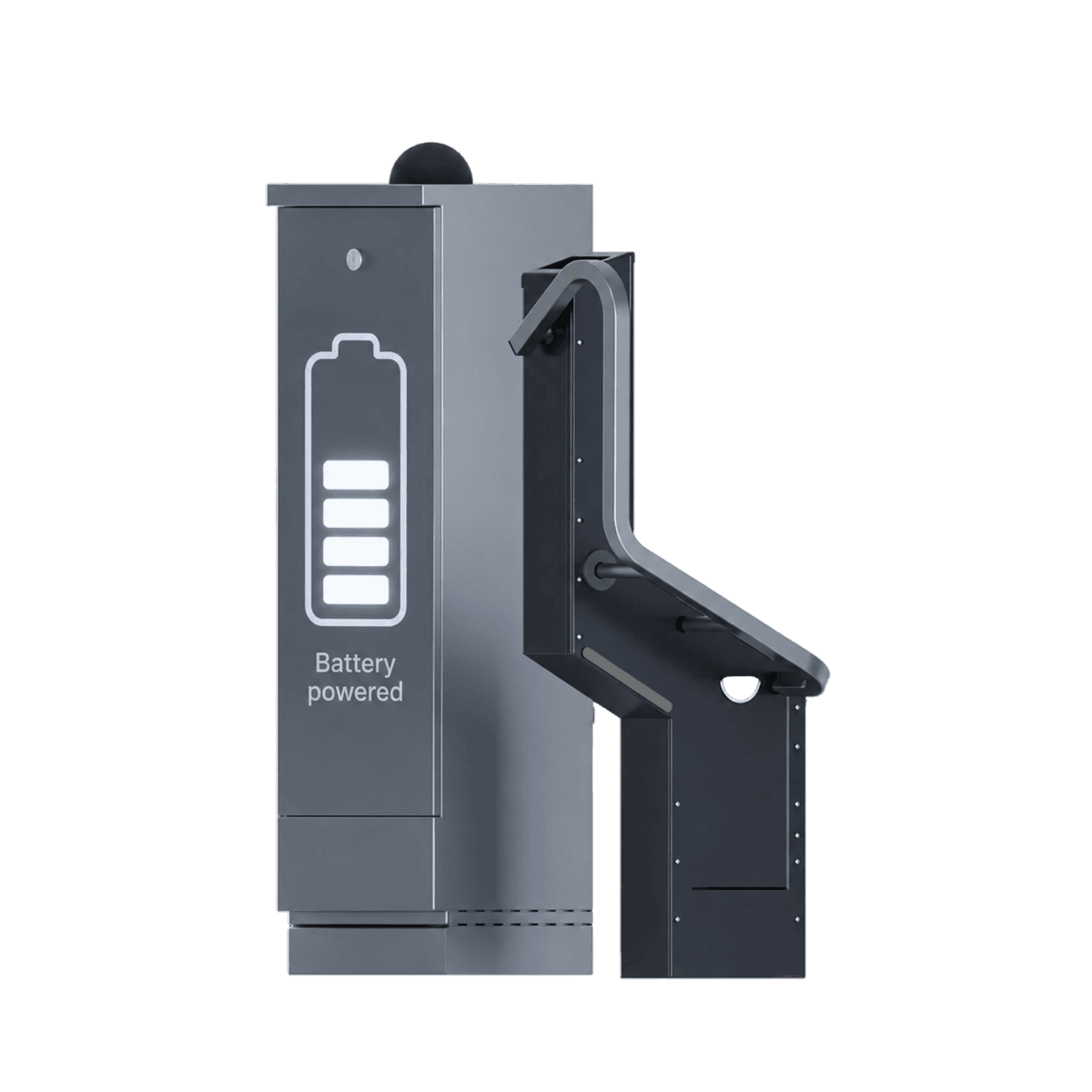
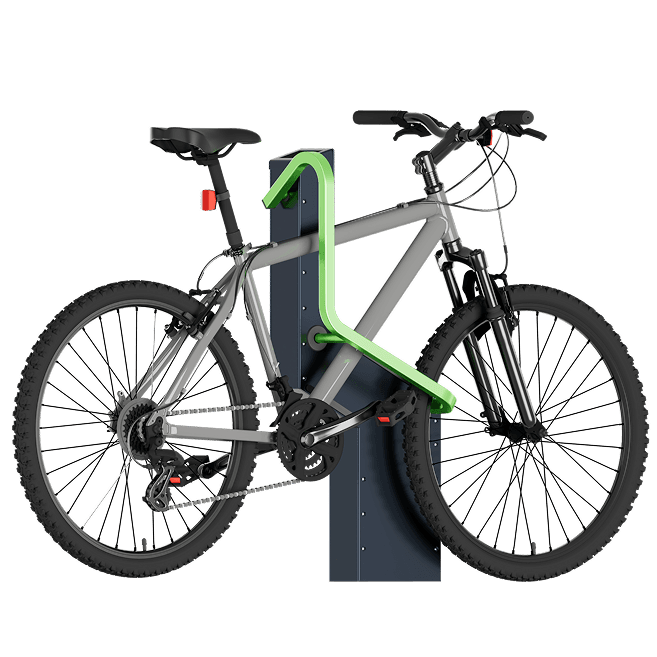
Each station combines a 2-point steel locking bar, a loudspeaker alarm, distress-signal forwarding, and 4G connectivity — the same secure bike parking security architecture deployed at sites like Ülemiste Smart City in Tallinn. That platform now sits at the front door of UBC's busiest buildings.
The fastest way to kill a campus infrastructure project is to make it depend on grid work. Trenching to a library forecourt or a recreation centre plaza means permits, electricians, dug-up landscaping, and weeks of delay.
UBC sidestepped all of it. Because these are secure parking stations rather than high-density e-charging hubs, a 10-dock station draws very little power — well within what onboard solar handles. The stations went in where the cyclists already are, not where the nearest power feed happened to be.
For a facilities team, that is the difference between a six-month capital project and a clean install. Solar turned six prime locations from "too expensive to wire" into "ready to deploy."
Every UBC station runs on app access alone — and that was a deliberate choice, not a limitation.
App-only means every single user is a known, registered user. That hands the university and its operating partner two things a card swipe never could:
Card systems have their place on transit. On a campus that wants to build a cycling community and communicate with it, a registered user base is an asset that compounds over time.
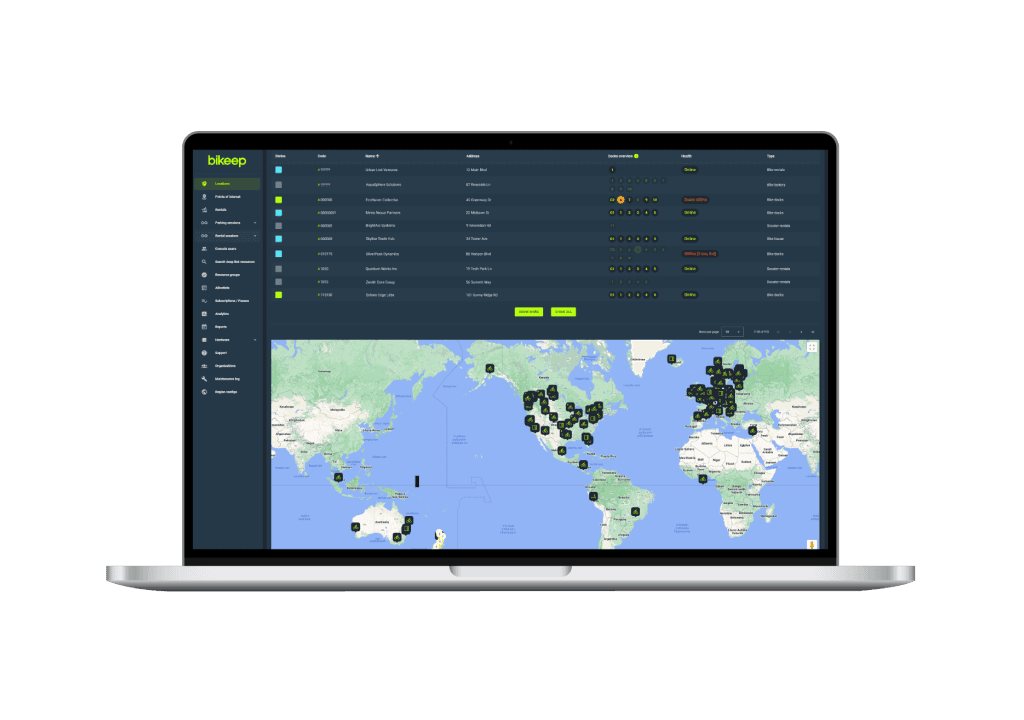
This is where a connected network earns its keep. A rack tells you nothing. The Bikeep operator console lets UBC's team pick any time window on a desktop and read exactly how the network is being used — including how riders rate each session and the comments they leave.
The early numbers from the first six months:
| Metric | Result |
|---|---|
| Unique users onboarded | 120 |
| Network user rating | 5 / 5 (real per-session feedback) |
| Average session length | 5 hours 14 minutes |
| Most common session | 1–2 hours |
The location patterns tell a campus story on their own. The Recreation Centre North clocks the most sessions — short, high-frequency gym visits. The IKB and Koerner libraries clock the longest — students settling in for hours, exactly the behaviour a university wants to reward with a secure place to leave the bike.
And one pattern stands out: a cluster of sessions ending at 11 PM and midnight. Read that against the transit schedule and the meaning is clear — when bus and train options thin out late at night, students are taking the bike home. Secure parking is quietly extending how late people feel comfortable being on campus.
UBC built this network to fight bike theft. Six months in, the data surfaced something the brief never asked for: students are parking their e-scooters in the stations too.
That matters more than it looks. Micromobility on campuses is growing faster than any single vehicle type, and e-scooters carry the same theft anxiety and the same indoor-clutter problem as bikes. A network that absorbs both — without a hardware change — is a network that stays relevant as the campus fleet evolves.
Three things make a connected secure-parking network the strongest answer to campus bike crime, and each one shows up at UBC:
That phased path is exactly how Bikeep partner Monashee Racks frames the project:
"We're proud to support UBC Vancouver with solar-powered Bikeep stations located throughout the campus. This installation is a strong example of how secure, smart bike parking can improve campus mobility while supporting UBC's sustainability goals. We look forward to continuing to support those goals and helping build strong, secure bike parking networks throughout their entire campus for students, staff, and visitors."
— Ashton Olsen, Founder, Monashee Racks

Put together, this is a project that pays the university back on more than one ledger.
A student rides to Koerner, locks up in seconds, studies for five hours, and never once thinks about the bike. A gym-goer parks at the Rec Centre for a 90-minute session. A late finisher rides home at midnight because the bike was waiting, safe. And the people running it all can see every bit of it on one screen — and so far, every rider has given it five stars.
That is what secure parking does for a campus. It turns cycling from a gamble into a habit.
Mentioned in this article
A 10-dock Bikeep station brings secure smart bike parking to Four Bentall Centre on Dunsmuir Street, downtown Vancouver's protected bike-lane spine.

Campuses accumulate bike parking in pieces. A phased rollout of site assessment, a small first phase and expansion on usage data turns it into one system.
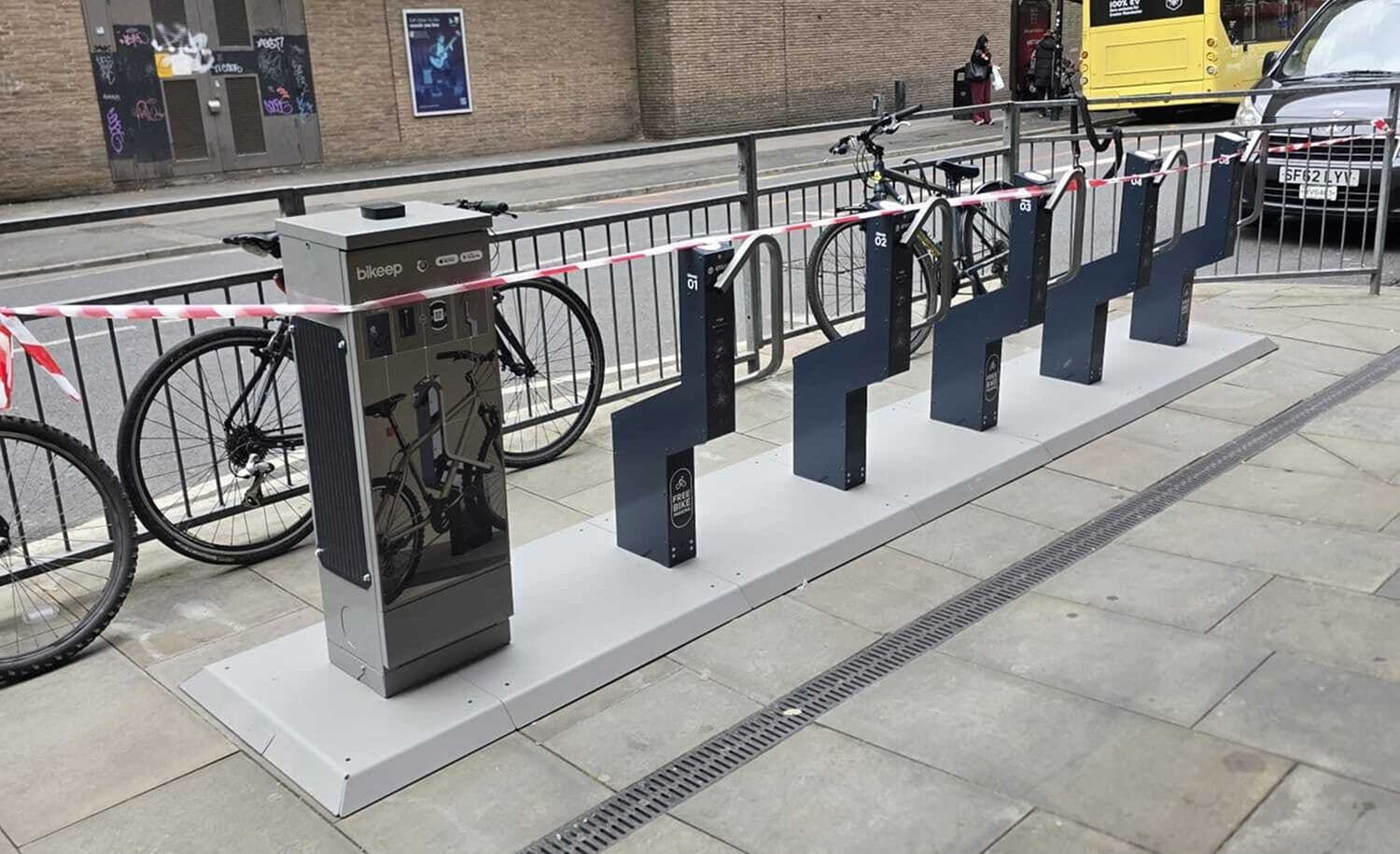
Two off-grid Bikeep smart bike parking stations opened at Manchester Victoria with Northern Trains, installed and commissioned in under 30 minutes.