Insight
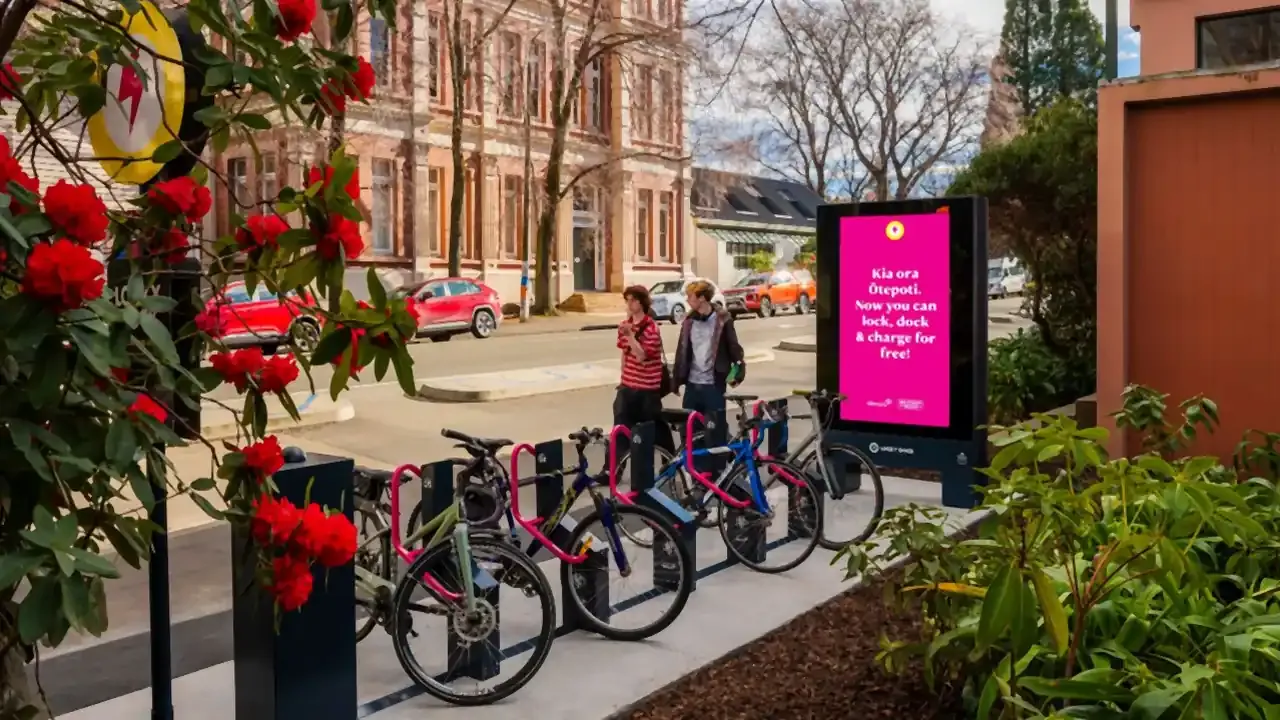
Councils can get public bike parking and e-bike charging for free
Advertising screens pay for Locky Dock stations, so councils get secure bike parking and e-bike charging without spending taxpayers' money.
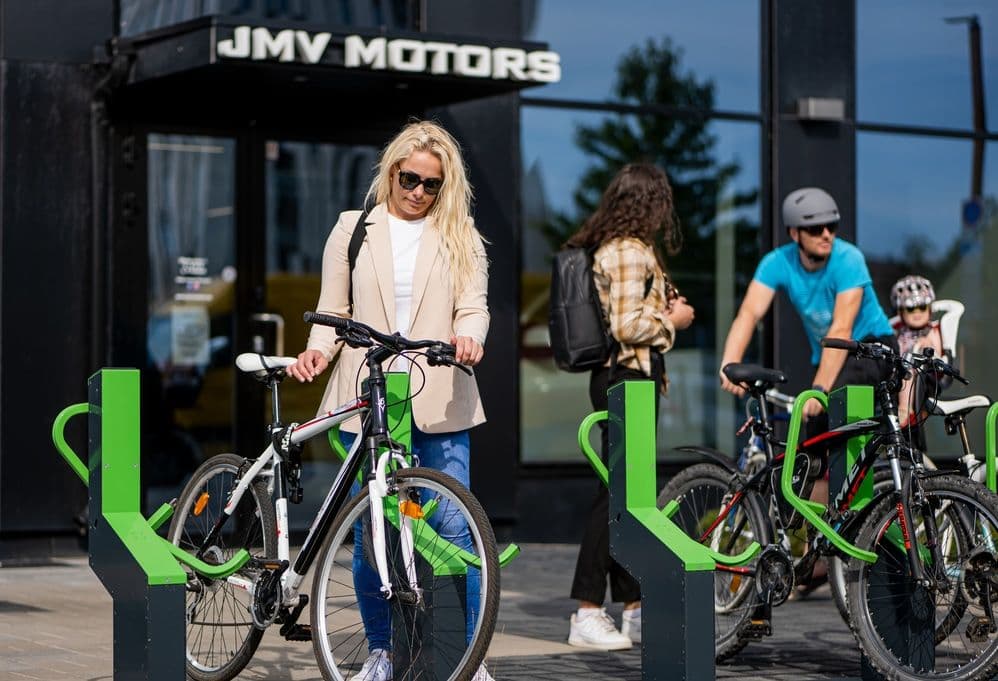
A thorough article on how to achieve greener, livable cities.
Kristjan Lind explains why speed limits, average travel distance, and bicycle parking all play a major role in reducing CO₂ emissions in the transportation sector.
Kristjan Lind, the CEO of smart bike rack manufacturer Bikeep, noted that the transport industry continues to produce carbon dioxide-based emissions worldwide without meaningful reduction. "The transport sector consumes more than 58 percent of the planned energy consumption," he explained. "At the same time, distances travelled within the city are under 8 kilometres, which you don't actually need a car for."
Read the full article on Invest in Estonia.
Advertising screens pay for Locky Dock stations, so councils get secure bike parking and e-bike charging without spending taxpayers' money.
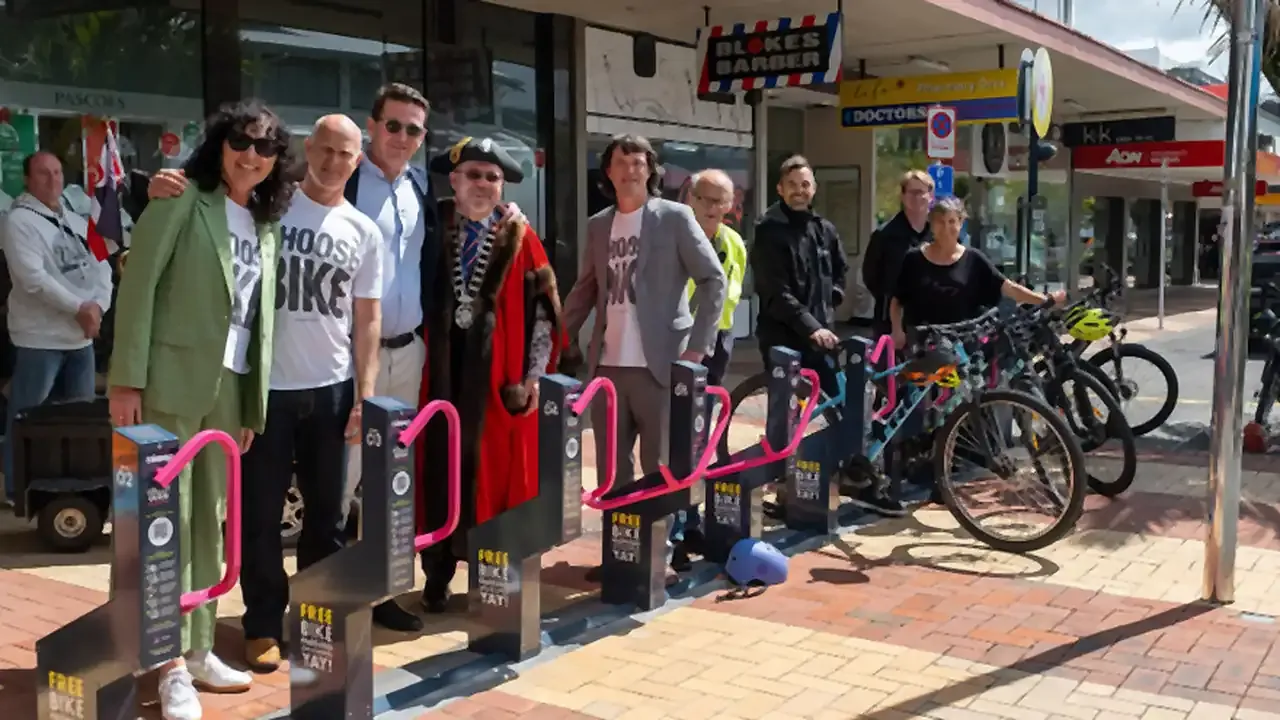
A mobility scooter user in Whangārei showed Locky Dock what public charging means for a town. The benefits councils can point to go well beyond cycling.
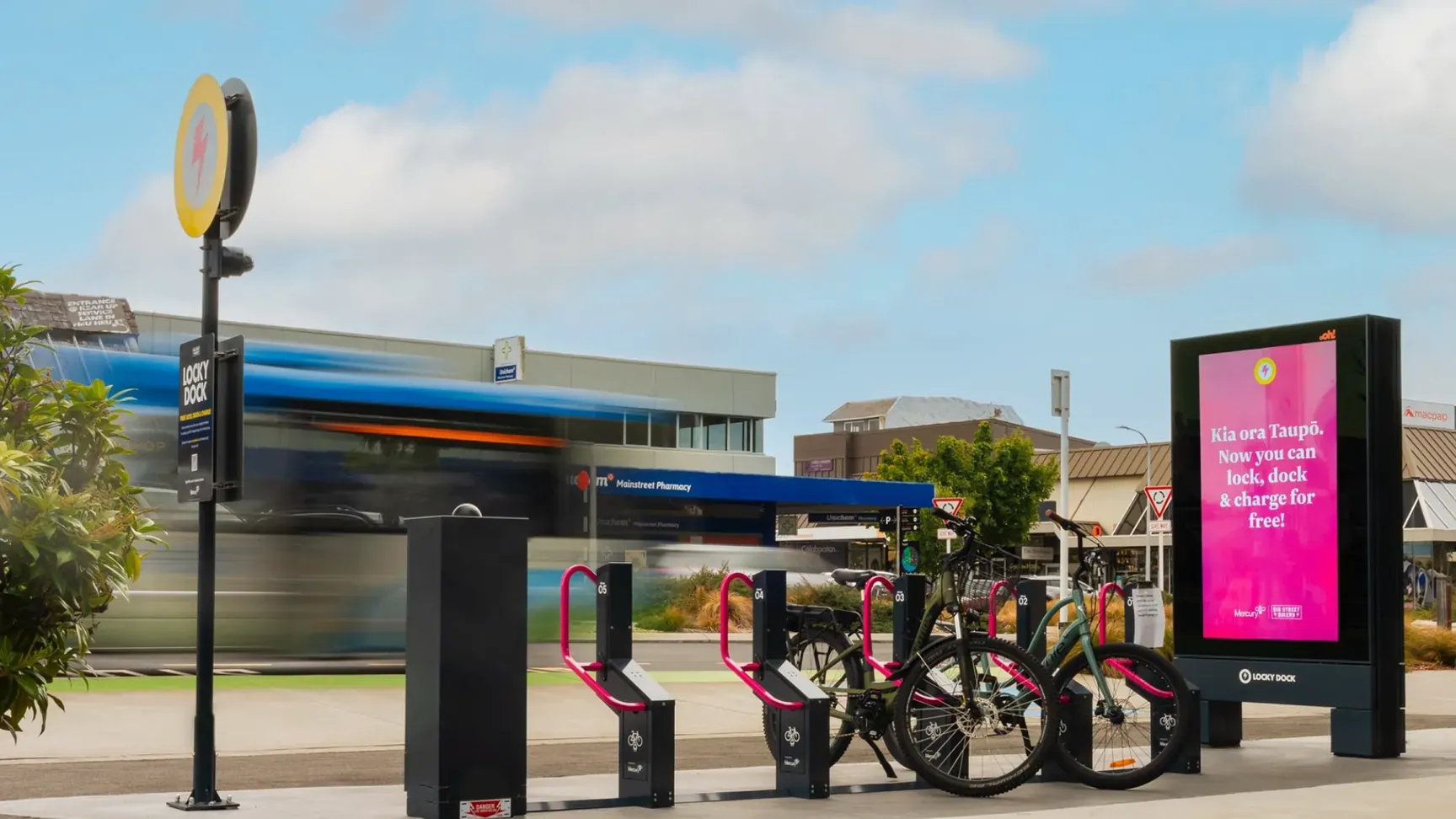
Digital advertising screens let Locky Dock offer free bike parking and e-bike charging to councils and riders. This is how the triple win model works.