News
Why a scaling bike parking network needs IoT, not Bluetooth
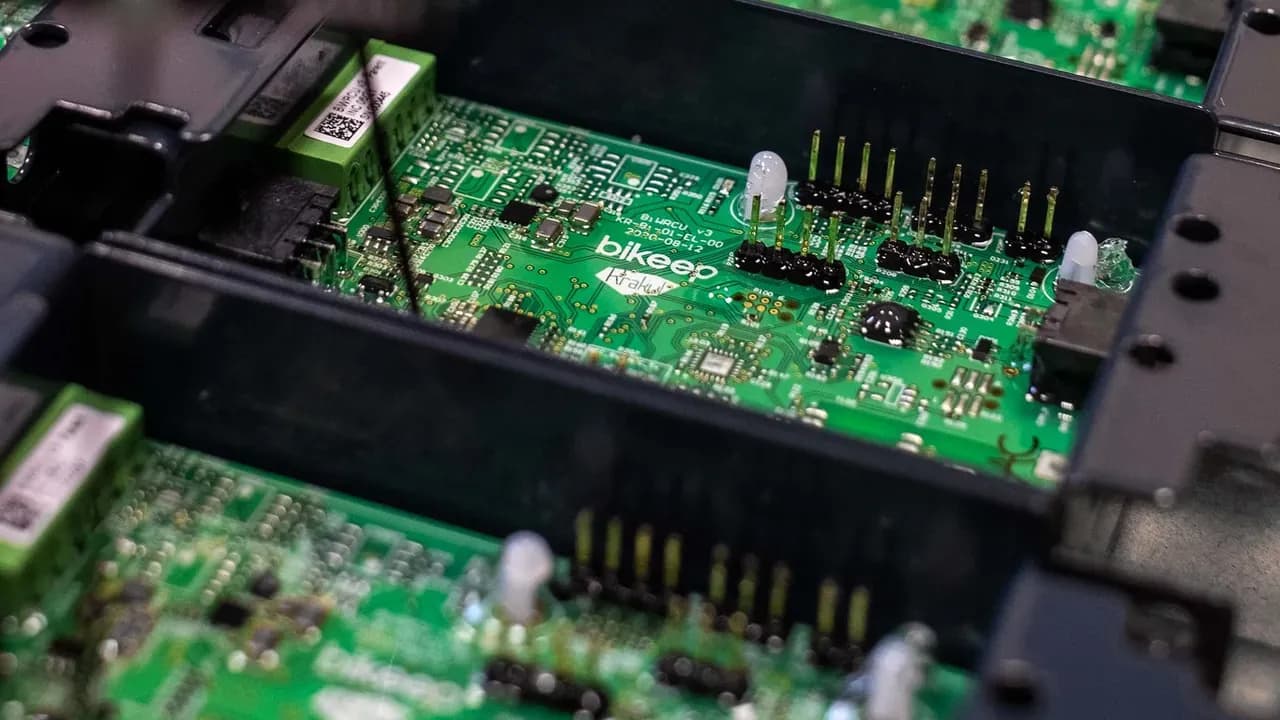
Bluetooth locks scale to a dozen doors. Networks that reach hundreds need devices with their own connection — and a platform that outlives the hardware.

"Every bike ride starts and ends with a parked bike"
There are many cases of stolen bicycles, so you should think about better and safer bicycle parking solutions, says Bikeep's representative in Denmark, Jens Peter Hansen, who already has a new solution for bicycle parking.
Denmark is one of the world's leading cycling nations, with millions of daily riders relying on bikes as their primary mode of transport. Yet bike theft remains a persistent challenge — one that discourages cycling and undermines investment in quality bicycles. Smart, secure parking infrastructure is increasingly recognized as a critical part of the solution.
Bikeep's smart bike parking stations address this challenge by combining physical security with digital access control. Riders lock their bikes using a personal PIN code or mobile app, and each parking session is logged and managed through Bikeep's platform. This gives both users and property owners confidence that bikes are protected.
For cities, universities, transit hubs, and commercial properties across Denmark and beyond, deploying smart bike parking is a practical step toward reducing theft and encouraging more people to choose cycling as a reliable, everyday mode of transport.
Bluetooth locks scale to a dozen doors. Networks that reach hundreds need devices with their own connection — and a platform that outlives the hardware.
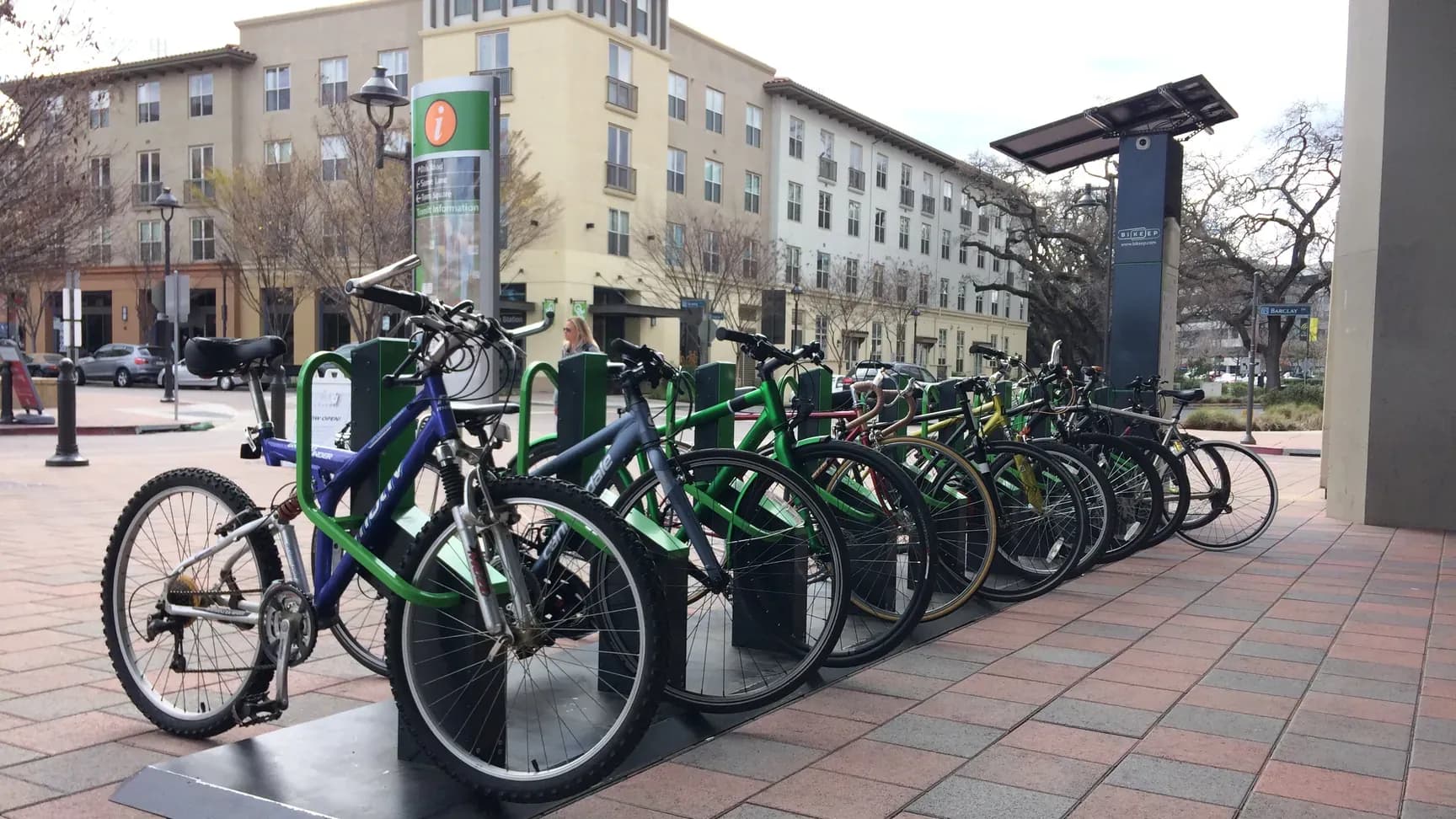
Since 2016, Bikeep smart bike parking stations at BART have cut bike theft and outlasted a decade of daily use across the Bay Area transit network.
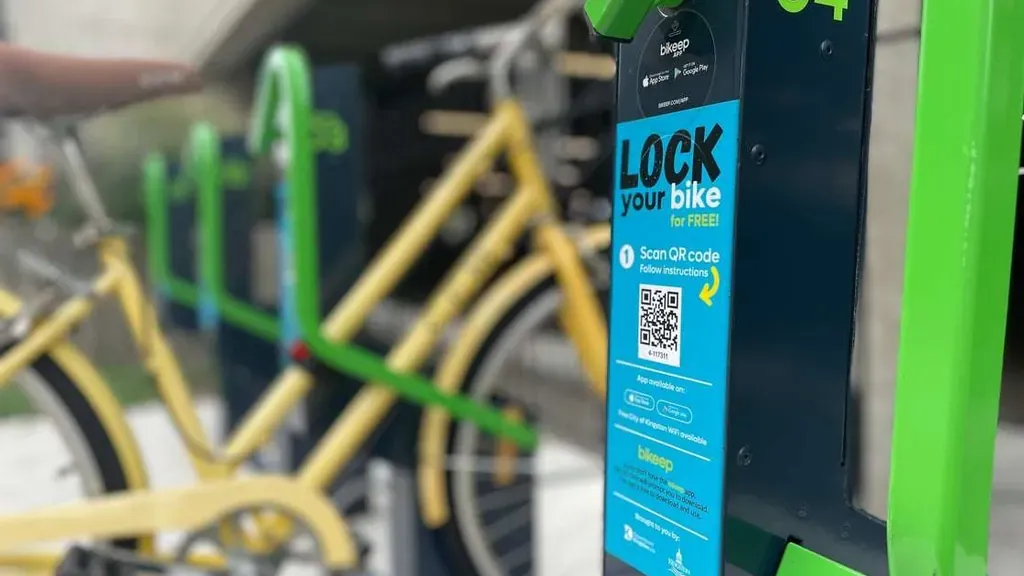
A summer pilot on Princess Street became permanent: 18 secure Bikeep docks across three downtown Kingston locations, free for residents and visitors.