
News
Why a scaling bike parking network needs IoT, not Bluetooth
Bluetooth locks scale to a dozen doors. Networks that reach hundreds need devices with their own connection — and a platform that outlives the hardware.
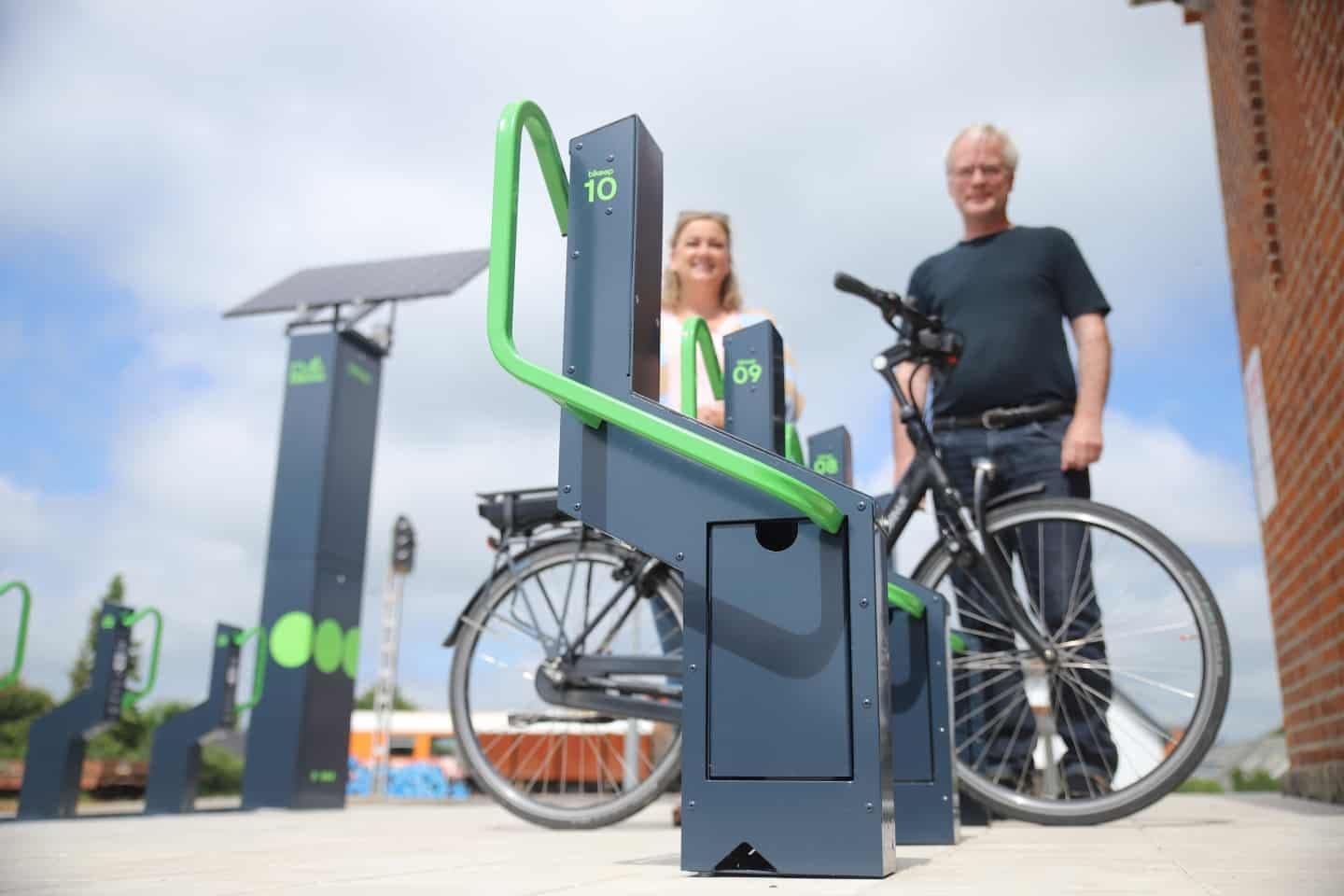
Bikeep and Danish partner Jens Peter Hansen have installed new smart bike parking and e-bike charging stations at the Vestjylland transit station, available free of charge to all commuters and visitors. The installation marks a significant step in making sustainable multimodal transport more accessible in Denmark.
The new parking station runs primarily on solar power, automatically switching to grid electricity when solar generation is insufficient. This hybrid approach ensures reliable, around-the-clock availability while keeping the station's carbon footprint to a minimum.
The project was initiated to encourage greater use of public transport combined with cycling — a combination well-suited to Denmark's existing cycling culture and infrastructure. By offering secure, weatherproof bike parking alongside e-bike charging at a key transit hub, the initiative removes a practical barrier that often discourages commuters from completing their journey by bike.
The installation is expected to serve as a model for wider rollout across the region in the near future.
Bluetooth locks scale to a dozen doors. Networks that reach hundreds need devices with their own connection — and a platform that outlives the hardware.
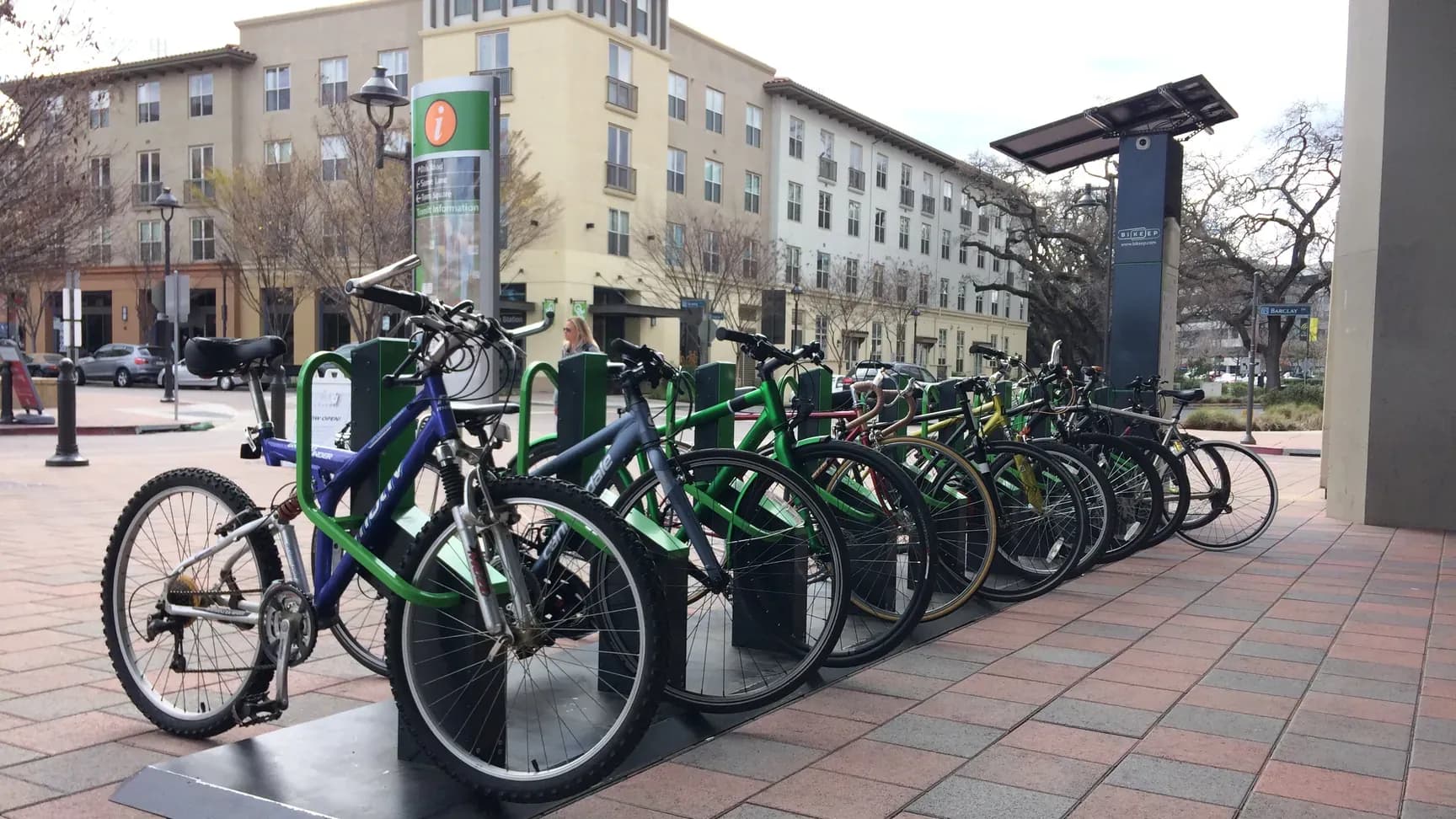
Since 2016, Bikeep smart bike parking stations at BART have cut bike theft and outlasted a decade of daily use across the Bay Area transit network.
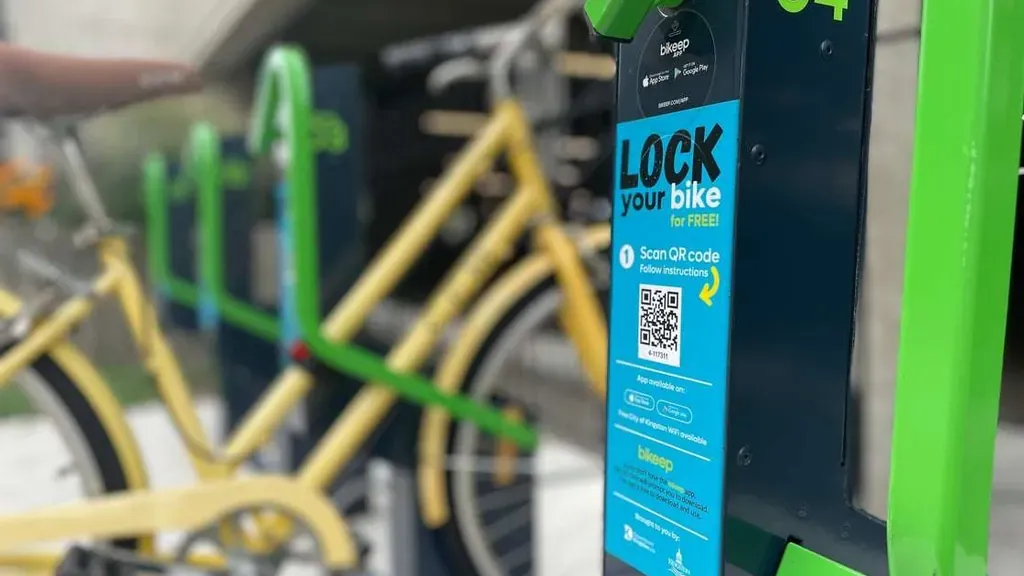
A summer pilot on Princess Street became permanent: 18 secure Bikeep docks across three downtown Kingston locations, free for residents and visitors.