News
Why a scaling bike parking network needs IoT, not Bluetooth
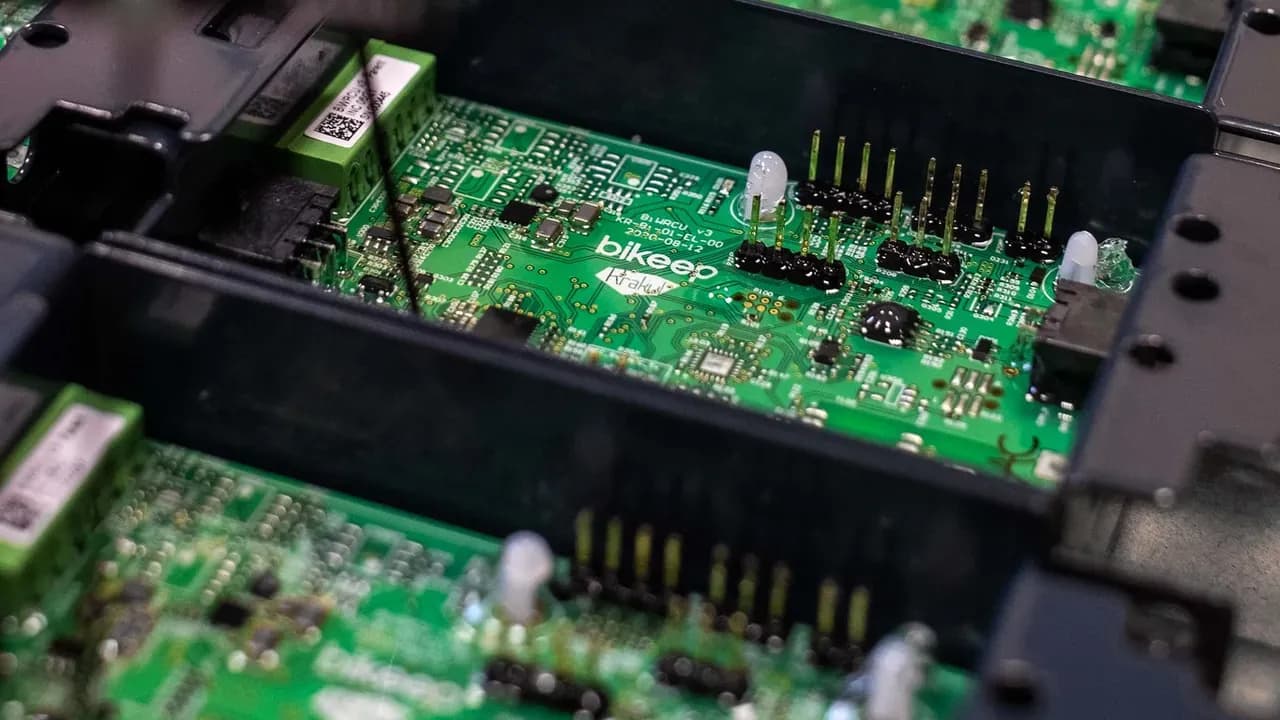
Bluetooth locks scale to a dozen doors. Networks that reach hundreds need devices with their own connection — and a platform that outlives the hardware.
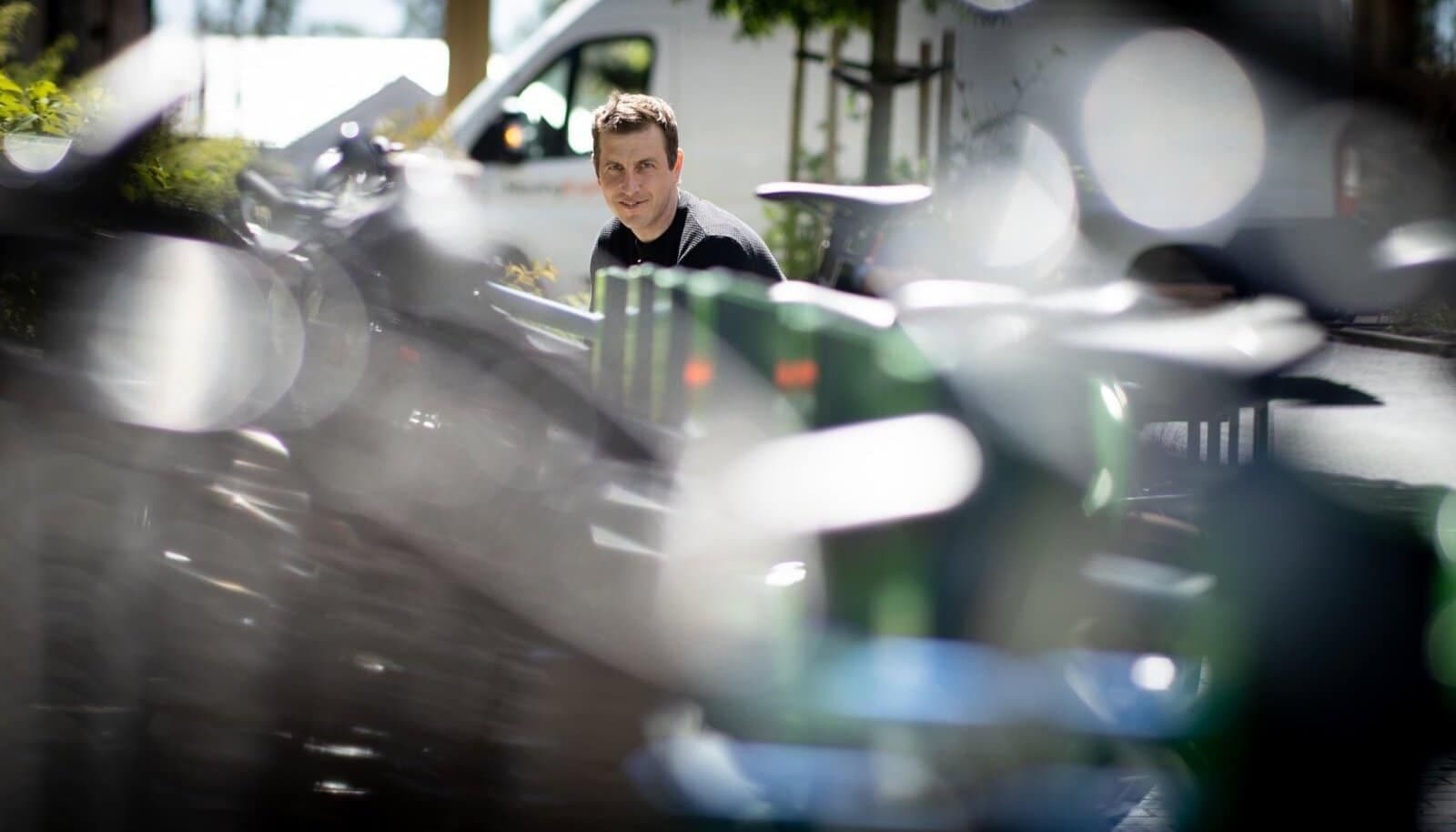
"We need a supportive environment not artificial bland yards, where no one wants to spend time," Kristjan Lind, CEO of Bikeep, commented on the 15-minute city concept.
When the urban environment supports movement, recreation, and activities within the city, community well-being is significantly enhanced. Businesses start emerging — cafes on the streets, bookstores on street corners, food trucks — and communities come together in meaningful ways.
The environmental dimension is equally important. With the majority of CO2 emissions coming from the transportation sector, every effort should focus on minimizing the impact of individual trips. Walking and cycling are the most beneficial modes of transport — for people and the planet alike. Cities like Paris have demonstrated what is possible when cycling infrastructure is made a genuine priority.
The 15-minute city model, which aims to place essential services within a short walk or bike ride from every resident, depends on infrastructure that makes active mobility safe, convenient, and attractive. Smart bike parking plays a direct role in achieving this — removing one of the key barriers to cycling as a primary mode of urban transport.
Bluetooth locks scale to a dozen doors. Networks that reach hundreds need devices with their own connection — and a platform that outlives the hardware.
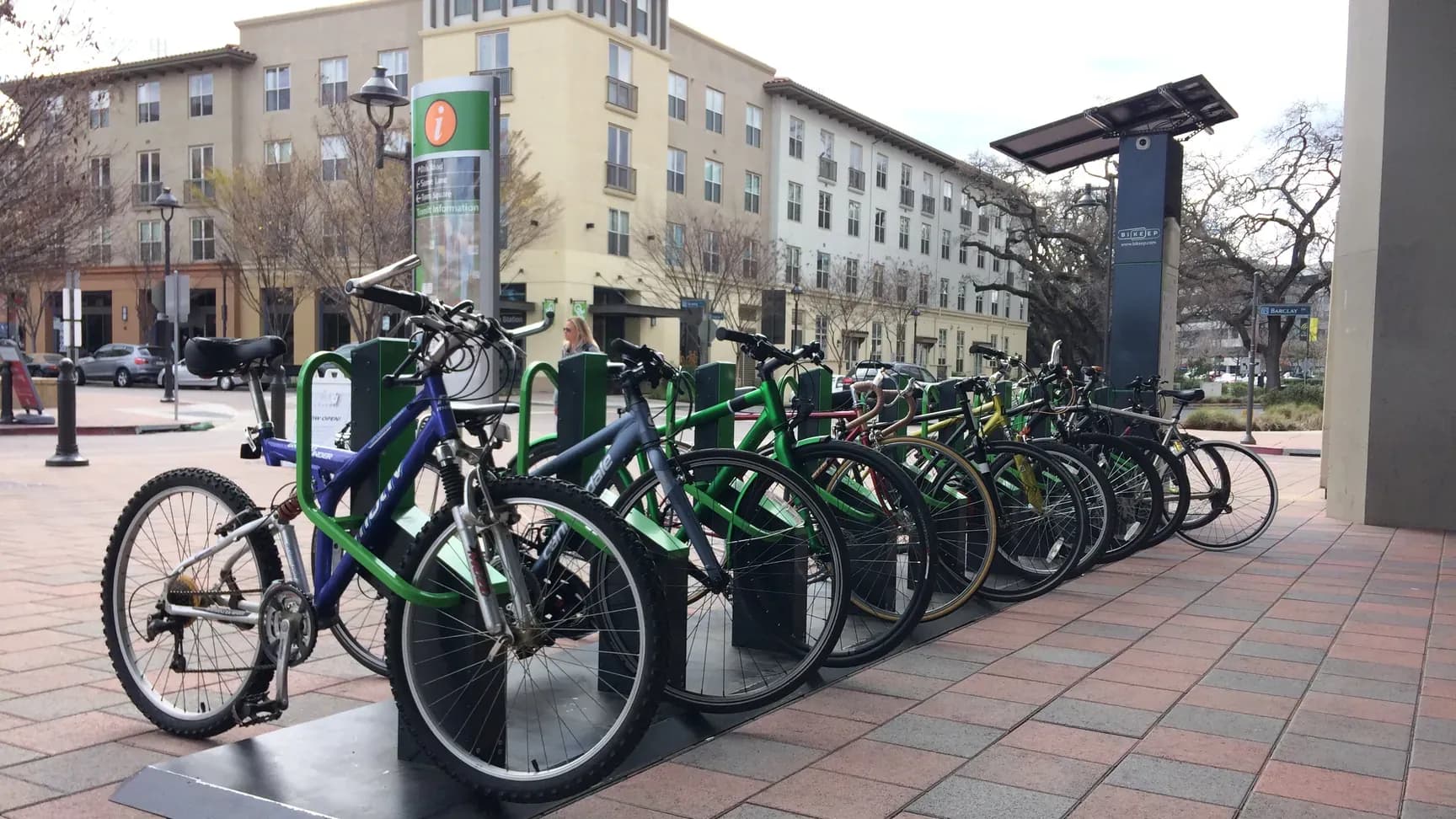
Since 2016, Bikeep smart bike parking stations at BART have cut bike theft and outlasted a decade of daily use across the Bay Area transit network.
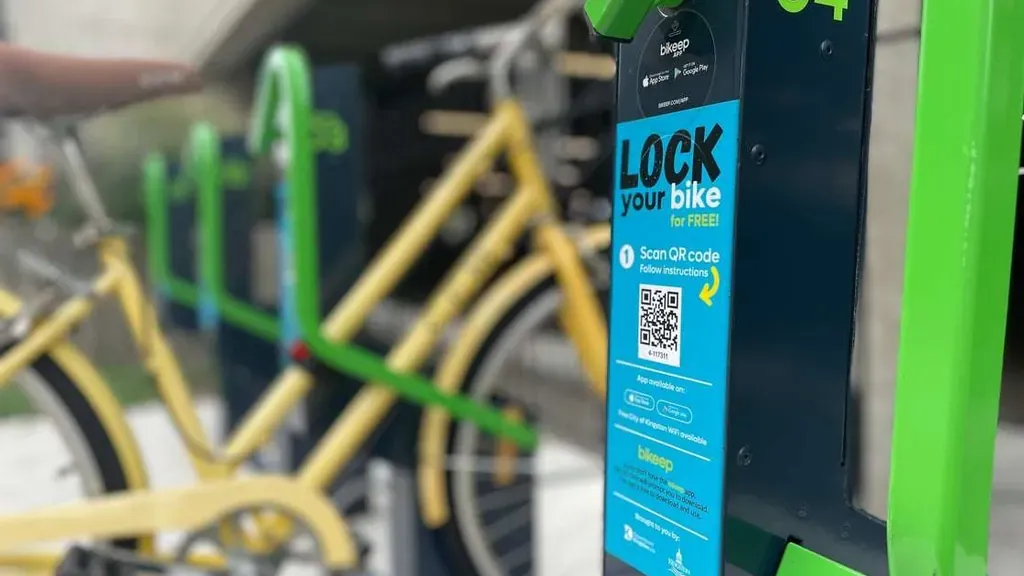
A summer pilot on Princess Street became permanent: 18 secure Bikeep docks across three downtown Kingston locations, free for residents and visitors.