
Insight
How a San Jose office park went two years without a bike theft
Bike theft keeps office tenants off their bikes. At Cityview Plaza in San Jose, a 10-dock secure bike parking station recorded zero thefts in two years.
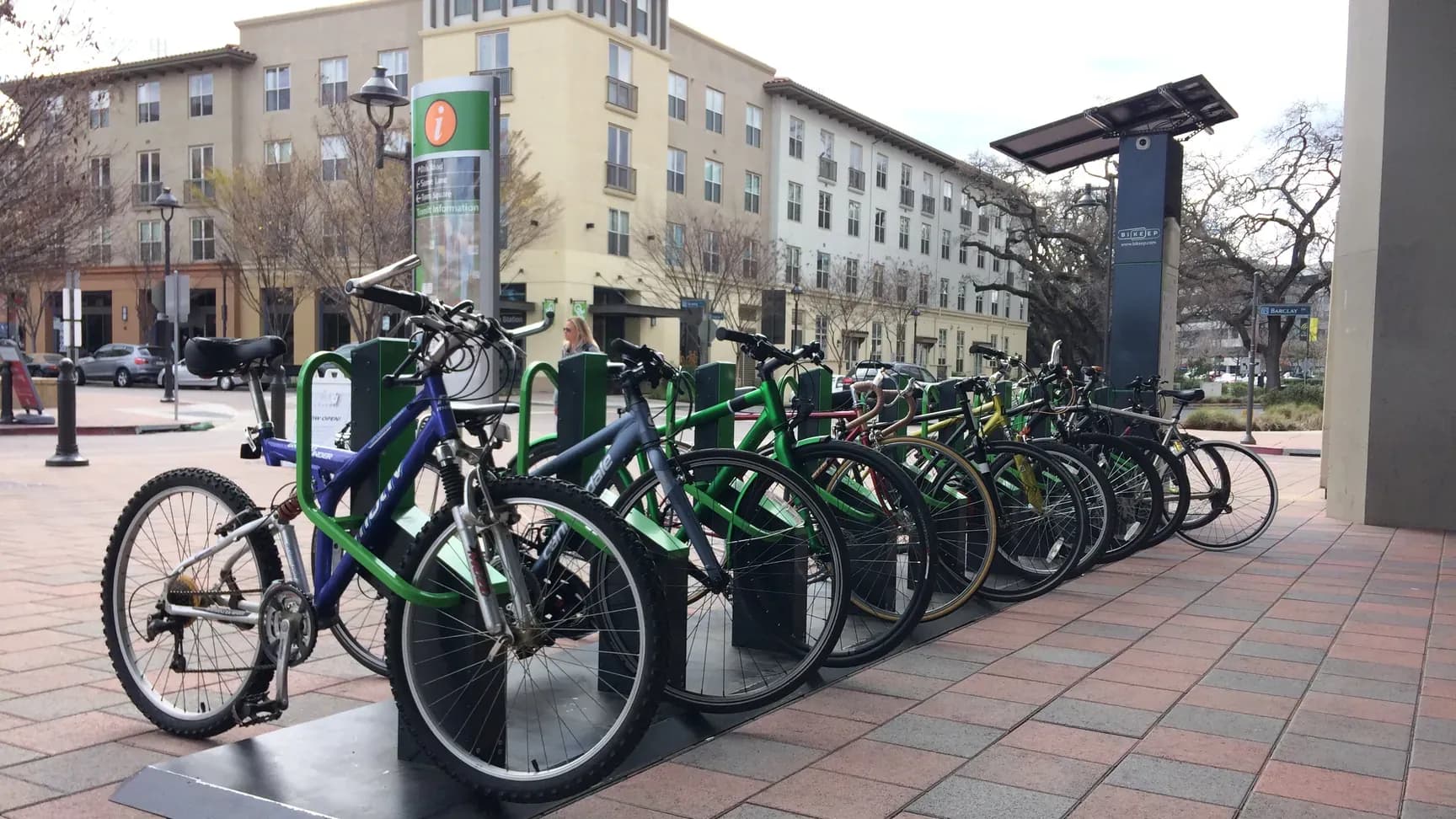
Every cyclist who has ever locked a bike outside a train station knows the feeling. You tug the lock twice, glance back over your shoulder, and spend the rest of the day half-expecting to come back to a cut cable and an empty rack. For years, that quiet anxiety was the single biggest reason Bay Area commuters refused to leave their bikes at a BART station — and dragged them onto crowded train cars instead.
In 2016, Bay Area Rapid Transit decided to fix that, installing its first smart secure bike parking stations from Bikeep. Ten years later, the equipment is still standing, still locking, and still doing exactly what it was built to do — out in the open, through ten Bay Area winters and summers, on some of the hardest streets in the country.
This is what a decade of real-world operation actually looks like.
Bike theft was the problem BART set out to solve, and it was a stubborn one. The agency had spent real money trying to outpace thieves the old-fashioned way — handing out better locks and hoping cyclists would use them. Between 2014 and 2015, BART partnered with advocacy group Bike East Bay, paying tens of thousands of dollars to staff information tables, distribute theft-prevention fliers, and hand out U-lock coupons.
As Steve Beroldo, BART's manager of access programs, put it at the time, the trend was disturbing precisely because the agency had been telling riders to buy U-locks — thicker, more durable, harder to defeat — and thieves had simply learned to get through them anyway. BART Director Robert Raburn said the agency had done a good job getting the word out. The word just wasn't enough.
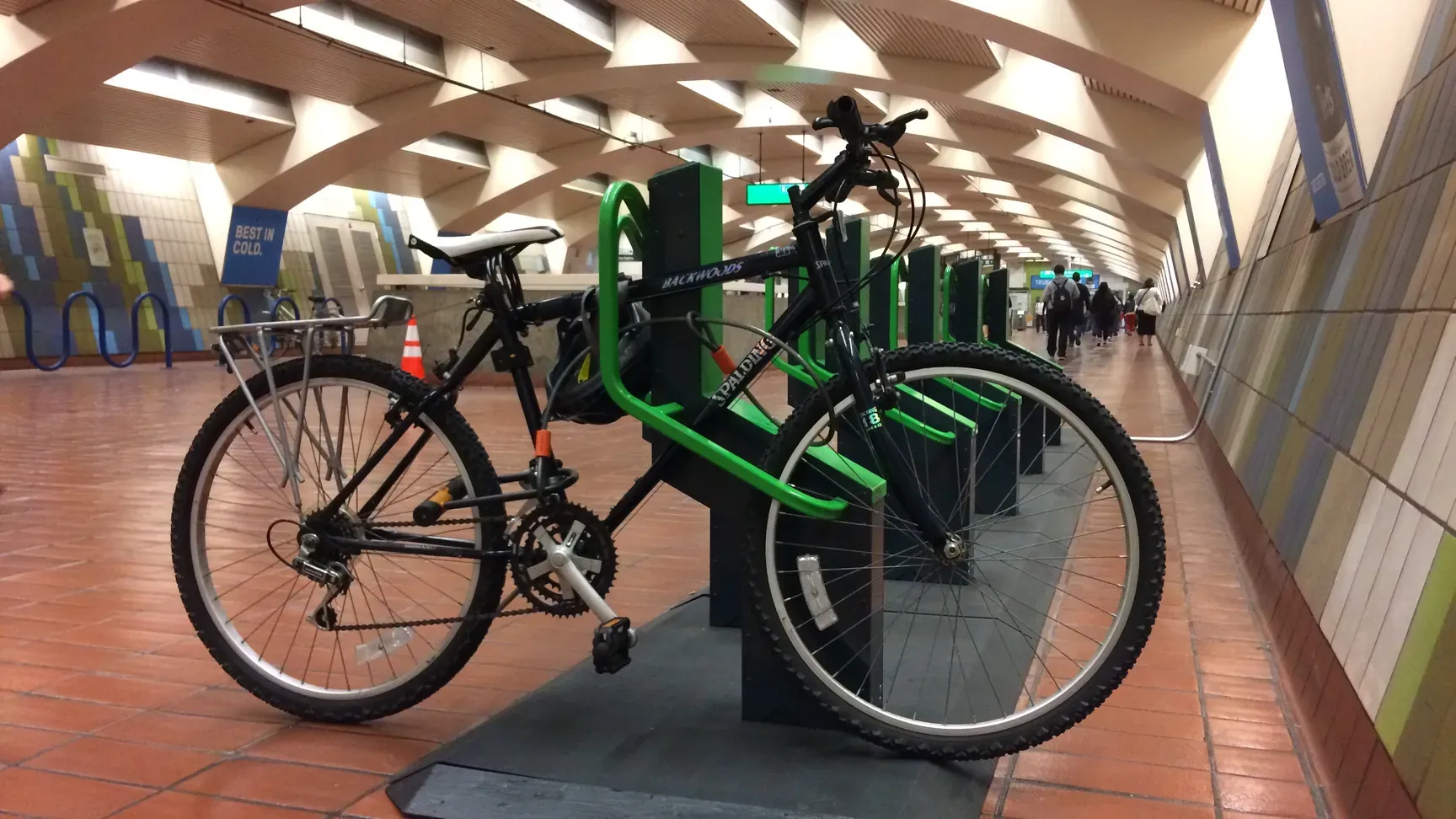
Even the best lock is still just a lock.
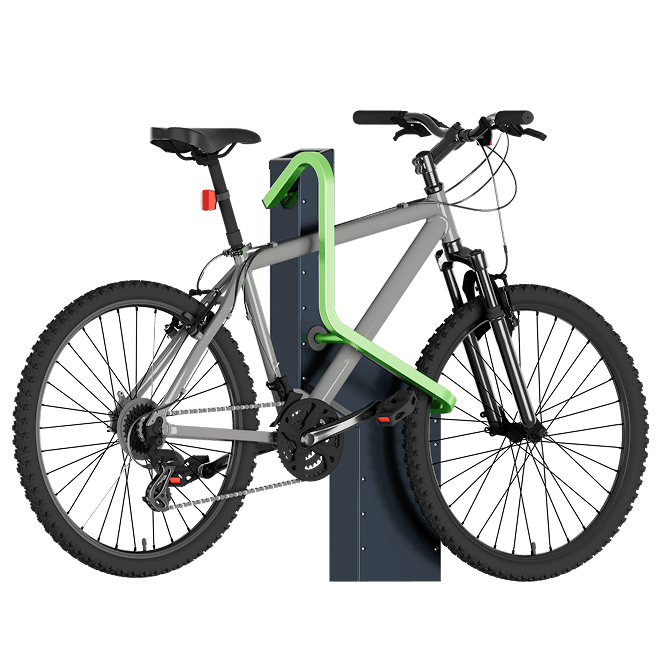
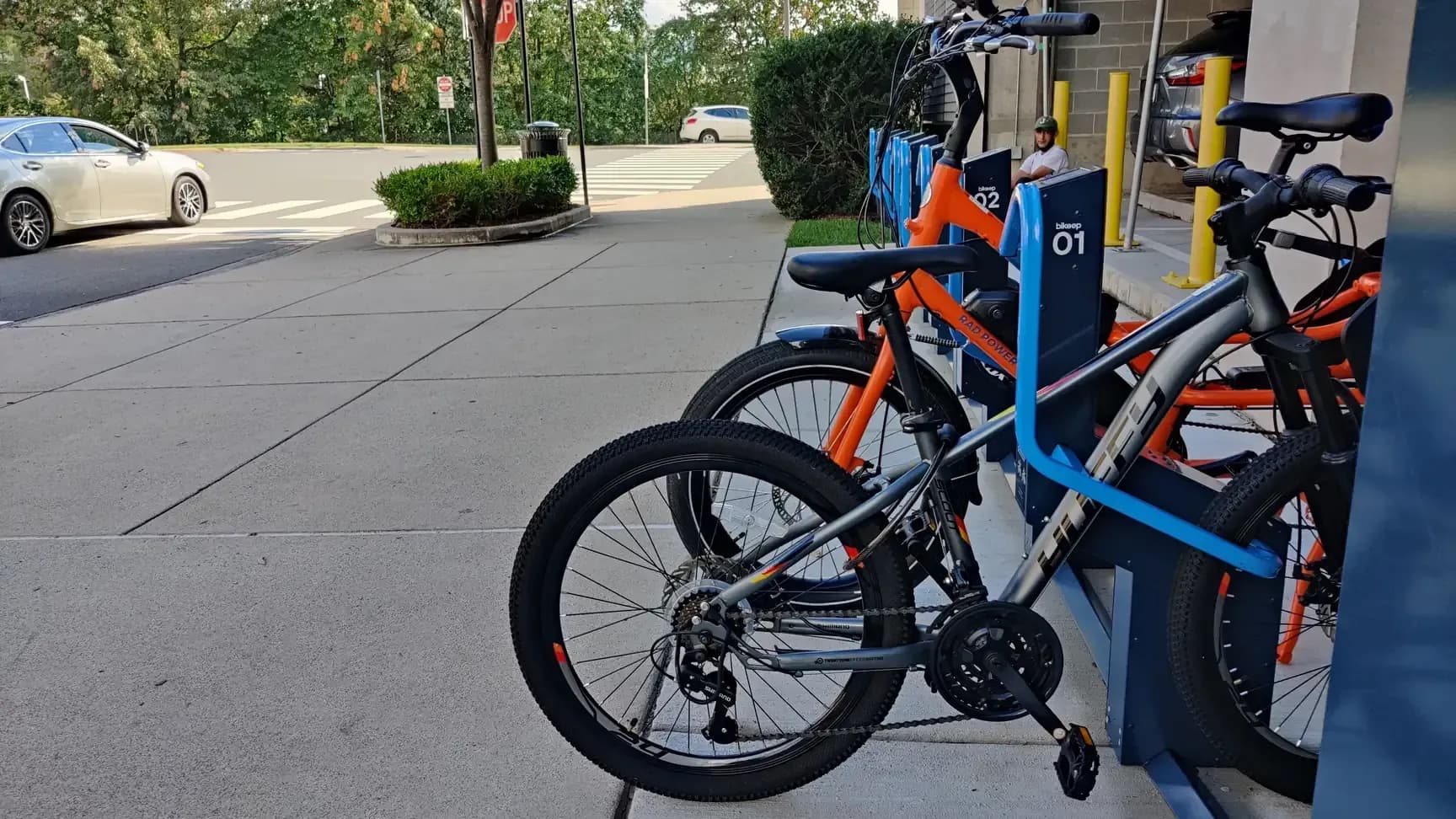
A better padlock doesn't change the math when someone is determined and unwatched. What changes the math is a system: industrial-grade steel bars, a loudspeaker alarm, a distress signal forwarded to local security, and camera surveillance — four layers working together, monitored in real time, instead of one piece of hardened metal sitting alone in the dark.
That was the bet BART made in 2016. Ten years of operation is the bet paying off.
The most impressive thing about the BART deployment isn't a launch-day statistic. It's that the stations are still here.
Ten years outdoors in the Bay Area is a brutal test: salt air, fog, rain, relentless daily use, and thousands of cycles of locking and unlocking. Plenty of street furniture doesn't survive half that long.
There were a handful of vandalism attempts when the stations first went live — mostly people testing the equipment to see what it could take. That's normal for any new piece of public infrastructure. What's telling is what happened next: years of service without vandalism worth recalling. A Bikeep station simply isn't fun to vandalize — no satisfying give, no easy target, no reward for the effort. The same design that frustrates a thief frustrates a vandal.
For any operator weighing total cost of ownership, that durability is not a footnote. Equipment that lasts a decade in a punishing outdoor environment is the difference between an asset and a liability.
BART didn't go all-in on day one. The first stations went in at 16th Street/Mission in San Francisco and Pleasant Hill in the East Bay — ten secure parking spots, or Automated Bike Racks as BART calls them, at each. The plan was simple: prove it works, then expand.
It worked. Today, high-security Bikeep racks operate across the network — 16th Street/Mission, 24th Street/Mission, Concord, Pleasant Hill, Union City, 12th Street/Oakland, and MacArthur — with the Oakland stations among the most recent additions as the agency keeps building out the program.
A few stories stand out from the decade:
Watch it in action: ABC7 News on the BART pilot cutting bike theft, and BART testing the new racks.
From launch, access was tied to the rider's personal Clipper card — the contactless transit card most Bay Area riders already carried. It was an elegant choice: no new card to issue, no app to download, registration in under a minute. Riders parked with a swipe, free of charge.
That registered-card model did something valuable beyond convenience. It gave BART real insight into who was using the stations — and, through the Bikeep platform, the ability to match cycling trips to transit trips. For a transit agency trying to grow bike-and-ride behavior, that connective data is the difference between guessing at first-mile/last-mile demand and actually measuring it.
The world has moved on since 2016. As physical transit cards give way to phones, BART is considering app-based access for its Bikeep parking — the natural next chapter for a system that has always met riders where they are. The hardware reflects the same pragmatism: some stations run on solar, some are hardwired, each site configured for what the location supports rather than forcing one rigid template onto every platform.
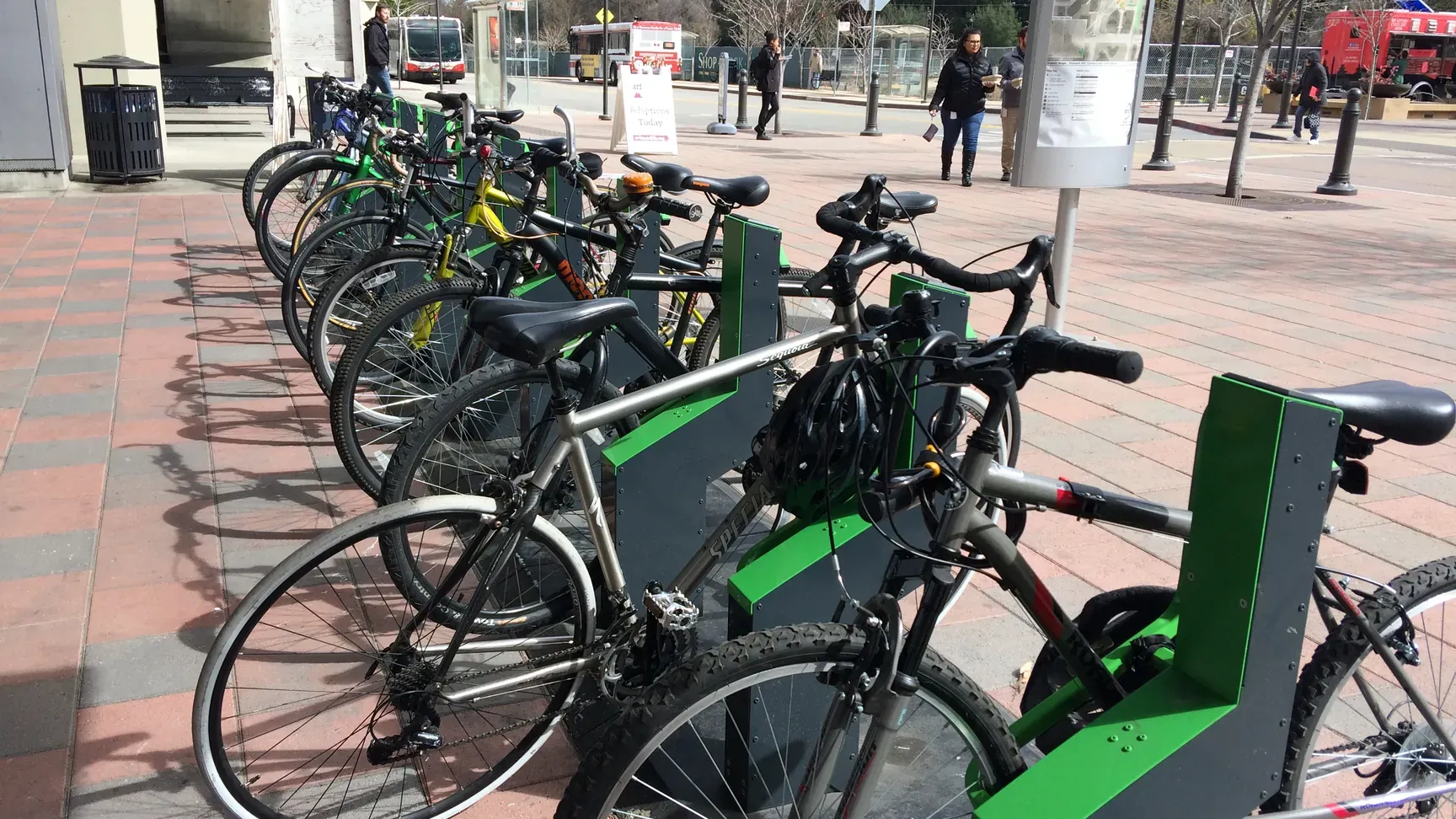
Cities and transit agencies talk endlessly about bike lanes. Lanes get riders moving — but a cycling trip doesn't end at the curb. It ends when the rider knows the bike will still be there when they come back. Secure parking is the end-of-trip layer of the cycling network, and for public transport it's the layer that decides whether bike-and-ride works at all.
The payoff isn't only measured in prevented thefts and the trips those prevented thefts enabled, though there have been plenty of both. It's measured in something harder to install and easier to underestimate: trust. Riders who once carried their bikes onto train cars now leave them at the station and walk away. Equipment that was meant to be a pilot is now infrastructure.
Ten years in, the racks are still standing on the hard streets of the Bay. That, more than any launch-day press release, is the proof.
Bike theft keeps office tenants off their bikes. At Cityview Plaza in San Jose, a 10-dock secure bike parking station recorded zero thefts in two years.
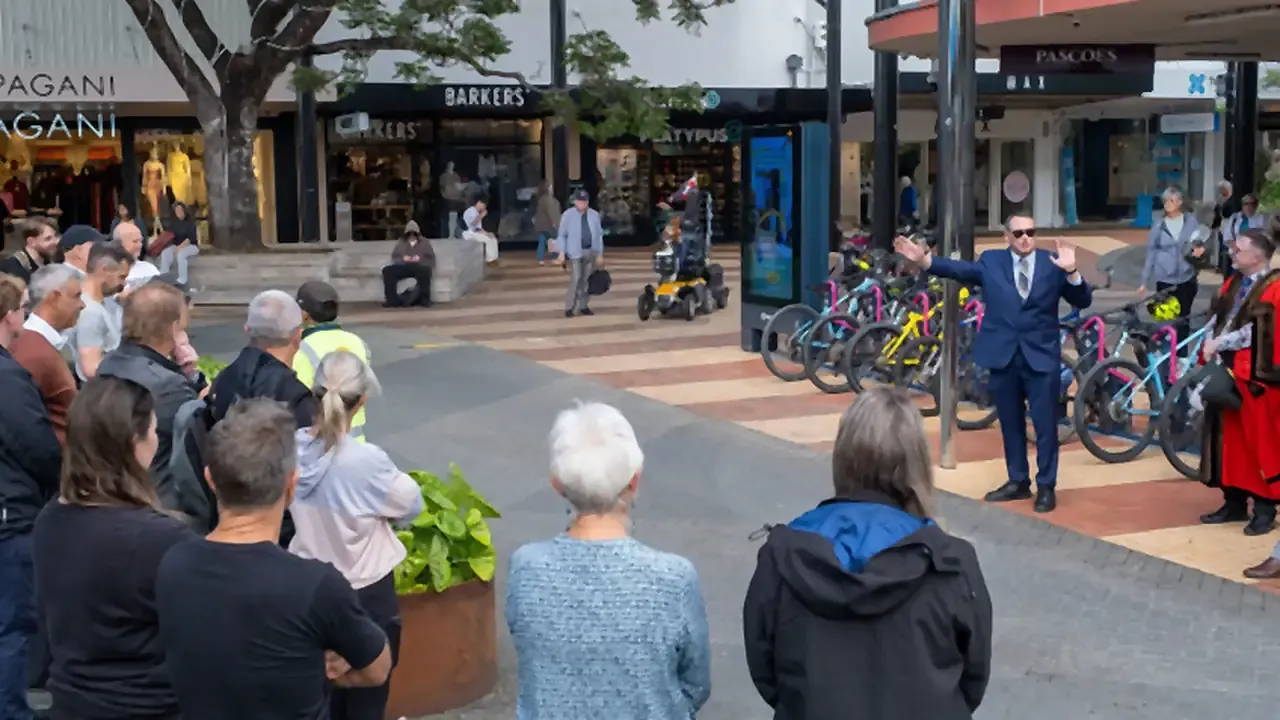
Kirsten Corson of Locky Dock on winning council backing for secure bike parking. Start with theft as the barrier to cycling, then the council's own goals.
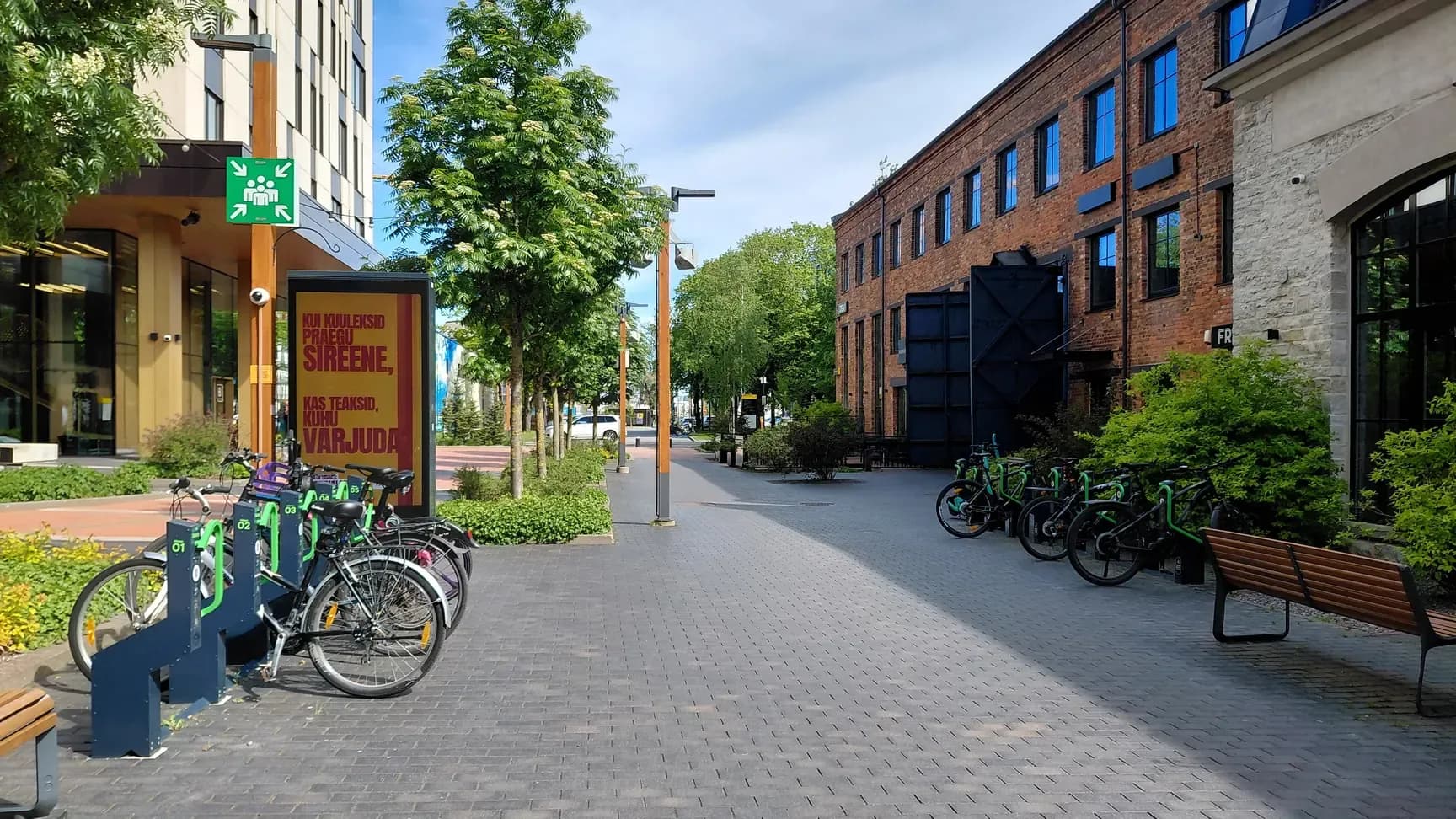
Ülemiste City in Tallinn built a campus-wide smart bike parking network. Riders rate it 4.89 out of 5, and no bike has been reported stolen from a station.