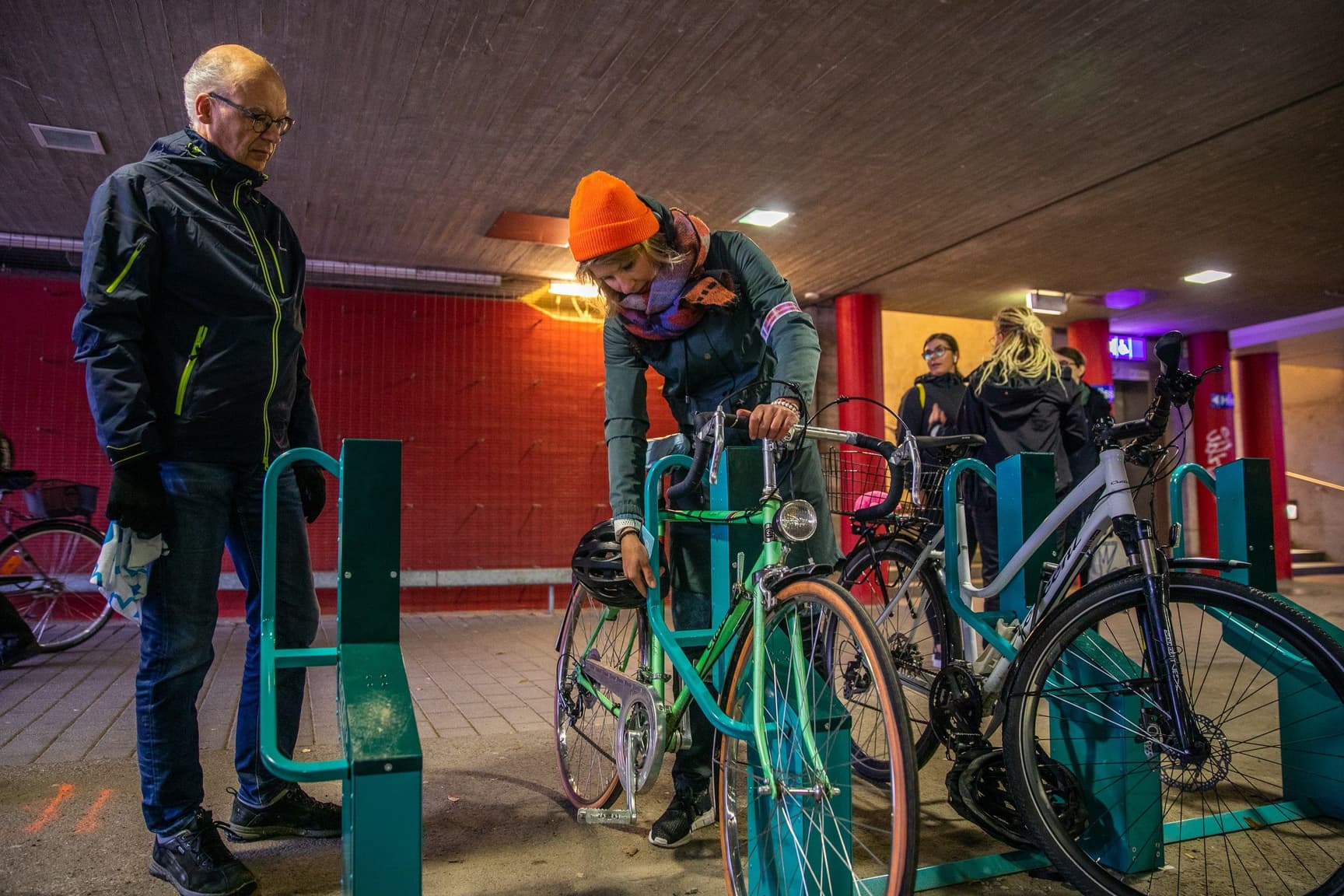
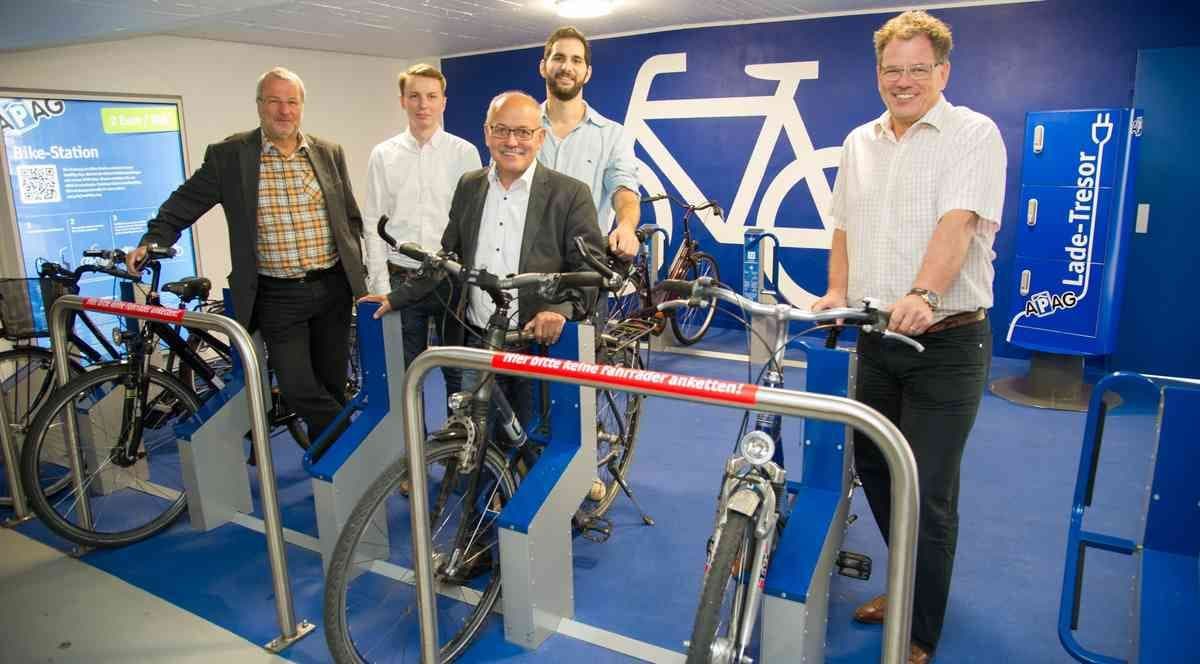
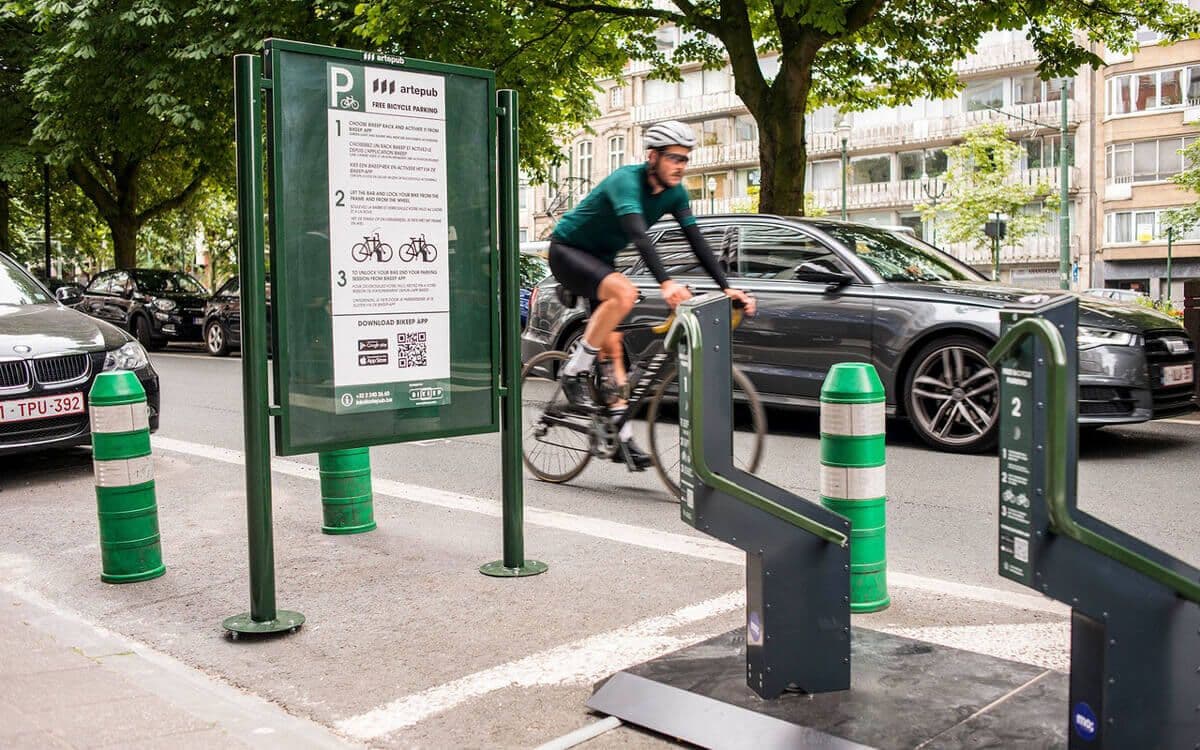
During European Mobility Week, citizens of Lahti, Finland got to try the new Bikeep smart bicycle parking solution firsthand. The launch event gave local cyclists a welcoming introduction to the new infrastructure, with morning coffee on offer alongside hands-on guidance for using the bicycle docks.
Bikeep's smart bike parking stations allow cyclists to securely lock their bikes using a contactless card — in Lahti's case, integrated with the local bus card. This makes the system immediately accessible to daily commuters already carrying their transit card, removing any barrier to adoption and encouraging a seamless shift toward multimodal travel.
The installation in Lahti represents a broader push across Nordic cities to improve cycling infrastructure and make sustainable transport more attractive. Secure, technology-enabled bike parking addresses one of the key concerns that prevents people from cycling to transit hubs or city centers: the fear of theft or damage to their bicycle.
Lahti has been recognized as a forward-thinking city when it comes to sustainable mobility, and the addition of Bikeep smart stations reinforces that commitment. By combining ease of use with enhanced security, the city is making it easier for residents to choose cycling as part of their everyday routine.
Read the full story on the UIA Initiative website