News
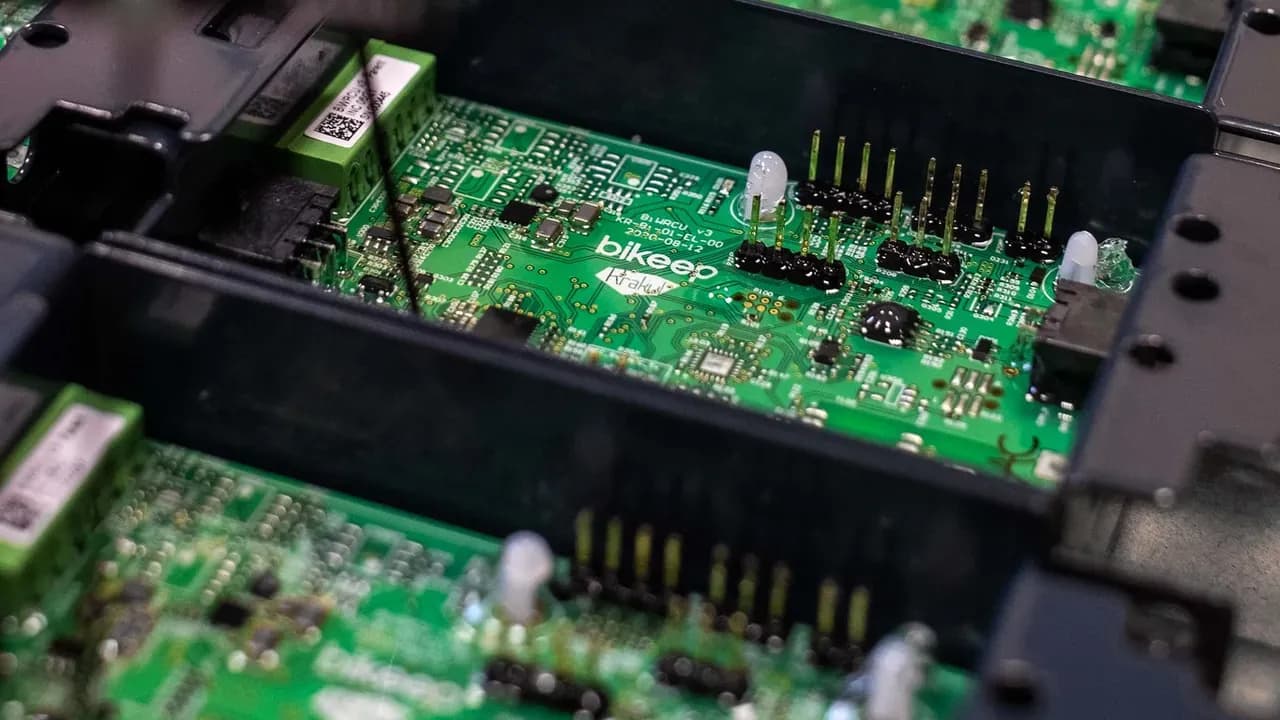
Why a scaling bike parking network needs IoT, not Bluetooth
Bluetooth locks scale to a dozen doors. Networks that reach hundreds need devices with their own connection — and a platform that outlives the hardware.
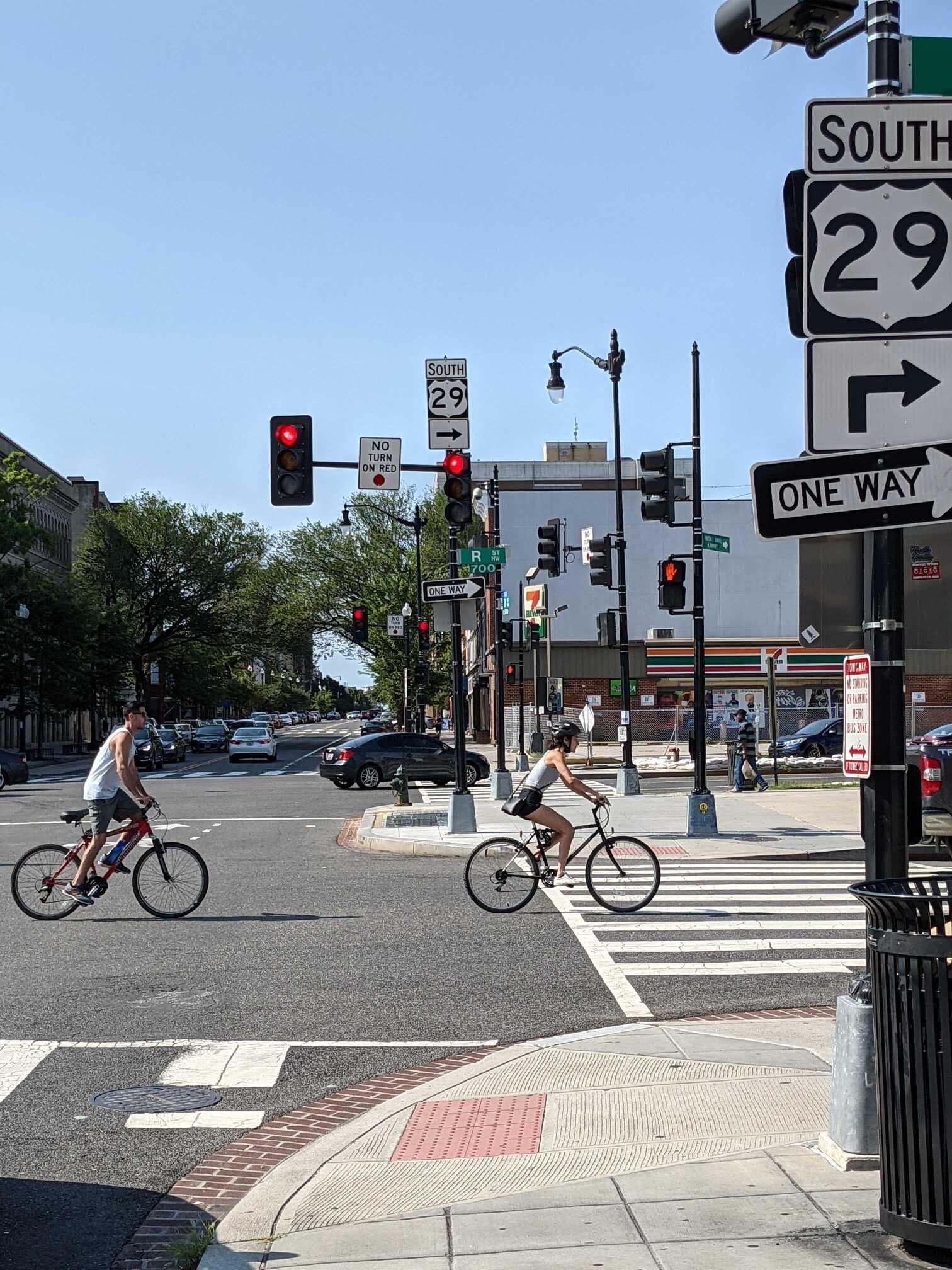
During the last few years, micromobility has seen a major surge in popularity, resulting in long waiting lists for bicycles, both regular and electric, and a heightened sense of demand for sustainable green transportation solutions across the world.
Bikeep was featured in TaaS Magazine (Issue XII, 2021), which explored the growing role of smart bike parking infrastructure in supporting the broader shift toward sustainable urban mobility. The article highlights how secure, technology-enabled bike parking is becoming a critical component of end-of-trip facilities for commuters and cyclists alike.
Hub Cycling's executive director, Erin O'Melinn, is quoted in the piece: "Bike theft continues to be a barrier that holds people back from cycling more often. Providing better end of trip facilities, like these bike lockers, will help people safely store their bikes and other cycling gear and shift towards adopting cycling and transit into their daily commute."
As cities and transit authorities work to reduce car dependency, reliable and secure bike parking plays an essential role in encouraging more people to choose cycling as part of their daily commute. Bikeep's smart stations address this challenge by providing keyless, app-enabled access and real-time monitoring for operators.
Bluetooth locks scale to a dozen doors. Networks that reach hundreds need devices with their own connection — and a platform that outlives the hardware.
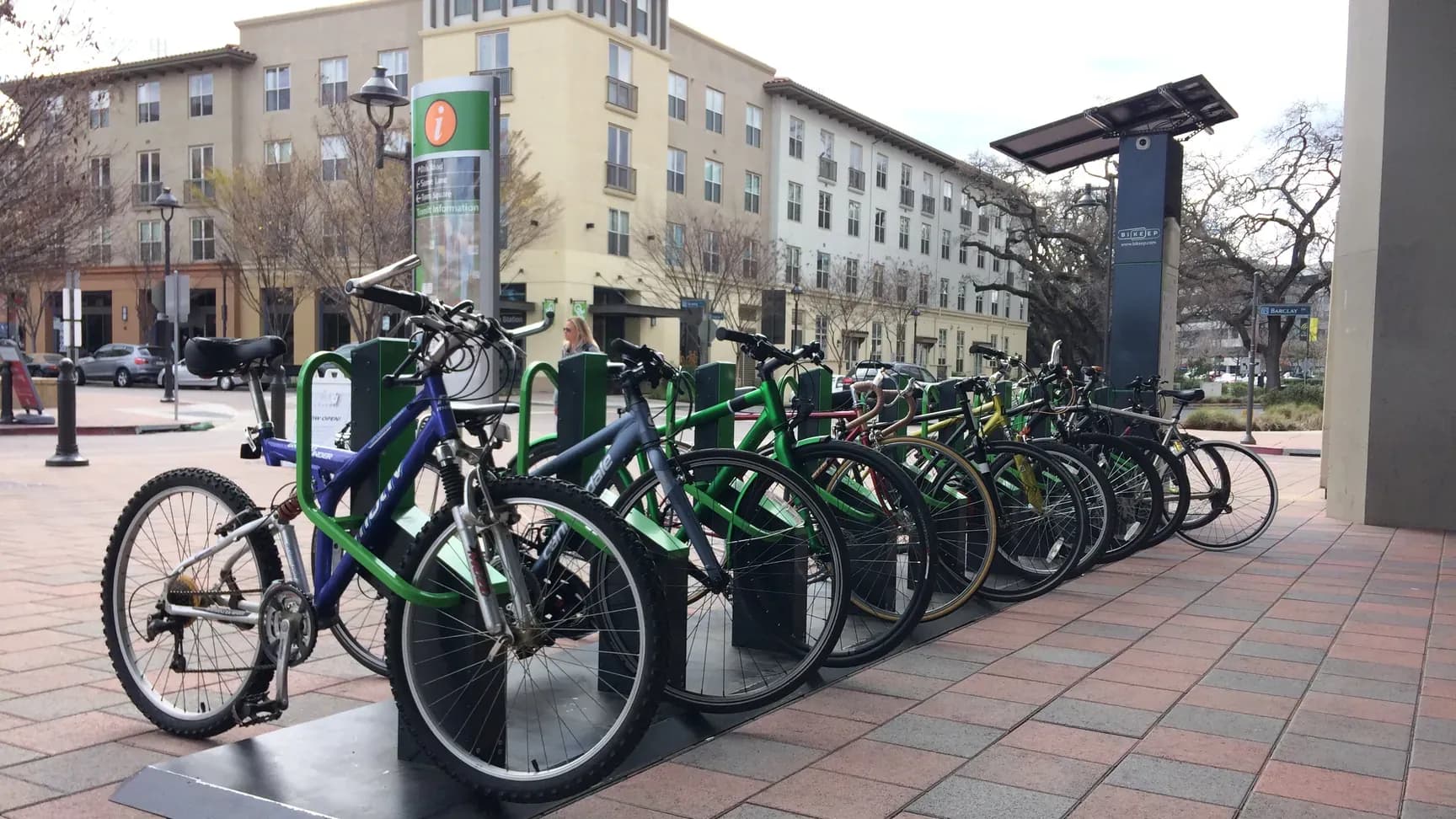
Since 2016, Bikeep smart bike parking stations at BART have cut bike theft and outlasted a decade of daily use across the Bay Area transit network.
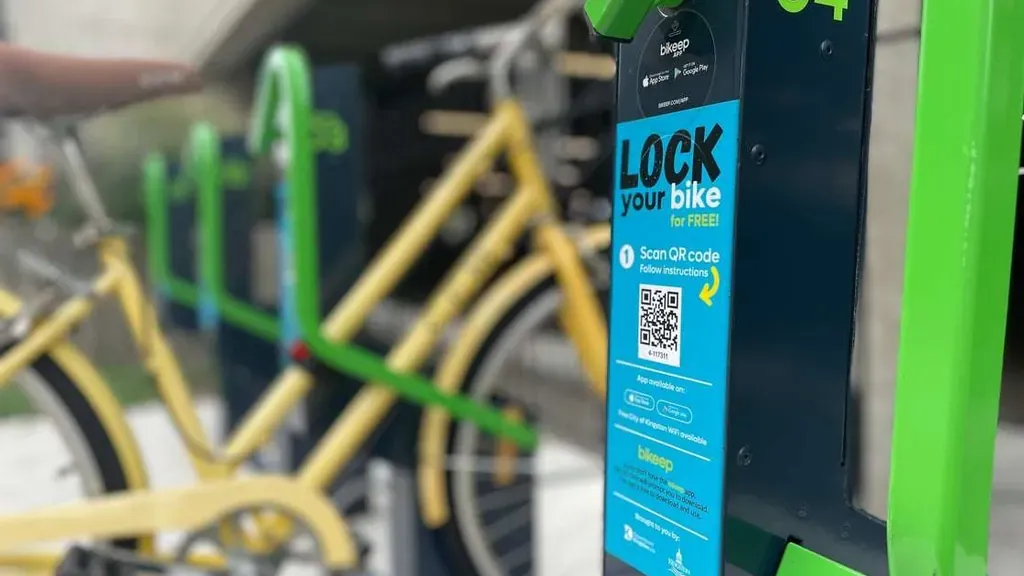
A summer pilot on Princess Street became permanent: 18 secure Bikeep docks across three downtown Kingston locations, free for residents and visitors.