News
Why a scaling bike parking network needs IoT, not Bluetooth
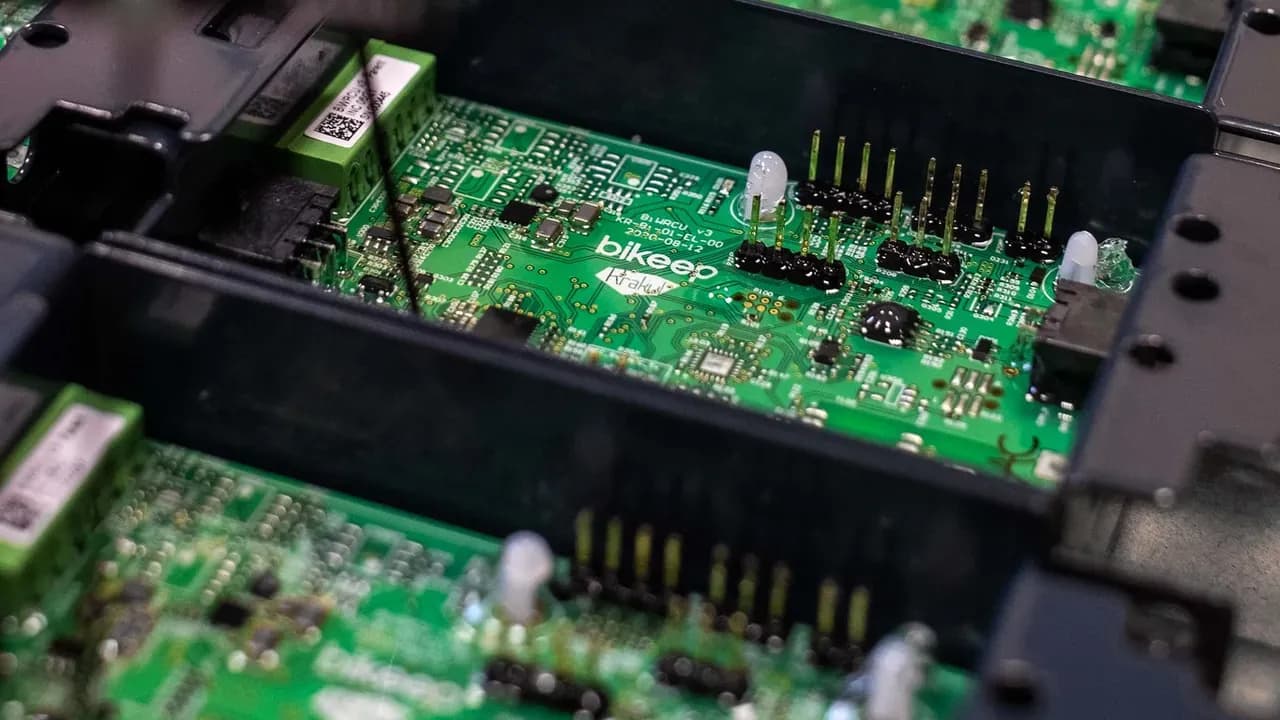
Bluetooth locks scale to a dozen doors. Networks that reach hundreds need devices with their own connection — and a platform that outlives the hardware.
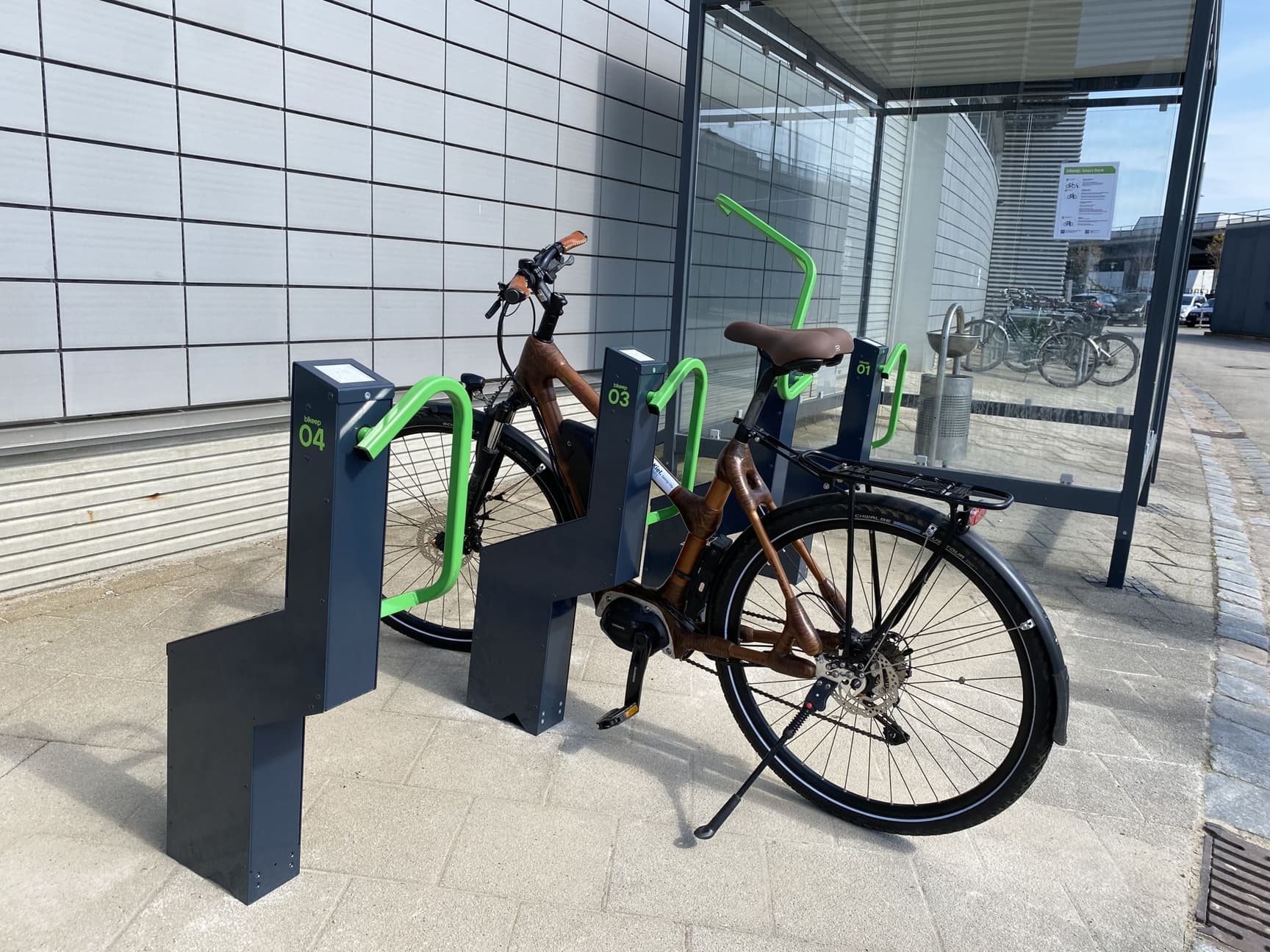
In order to promote the mobility transition, cycling should be made as attractive as possible. This includes not only well-developed bike paths and fast connections but also safe parking options in public spaces. There is now a luxury variant on the Hörncampus in Kiel.
The installation features a high-tech bicycle station where cyclists can securely park their bikes and charge their e-bikes free of charge. The smart parking infrastructure brings together secure, monitored parking with integrated e-bike charging — addressing two of the most common barriers to urban cycling adoption.
Kiel-based smart city developer Addix is a forerunner in smart city creation, innovation, and development, and has been instrumental in bringing this kind of forward-thinking infrastructure to the region. The Hörncampus installation represents a concrete step toward making sustainable urban mobility more practical and accessible for everyday commuters and visitors alike.
Bluetooth locks scale to a dozen doors. Networks that reach hundreds need devices with their own connection — and a platform that outlives the hardware.
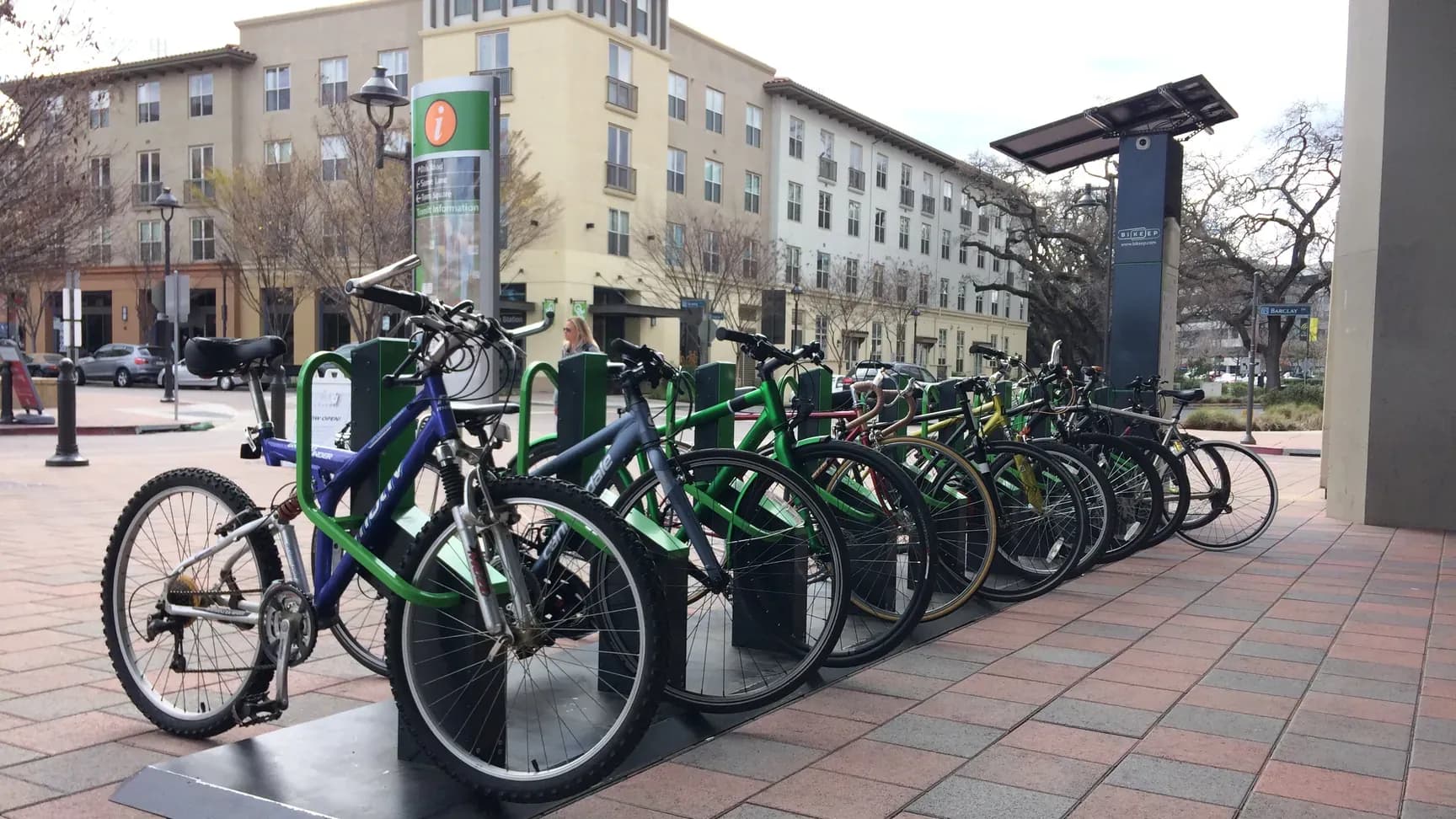
Since 2016, Bikeep smart bike parking stations at BART have cut bike theft and outlasted a decade of daily use across the Bay Area transit network.
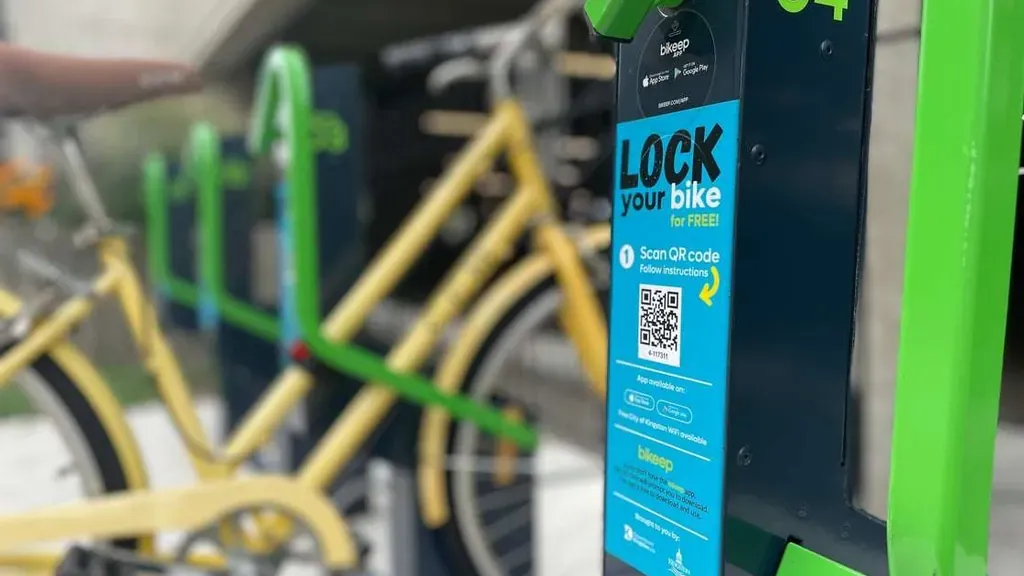
A summer pilot on Princess Street became permanent: 18 secure Bikeep docks across three downtown Kingston locations, free for residents and visitors.