News
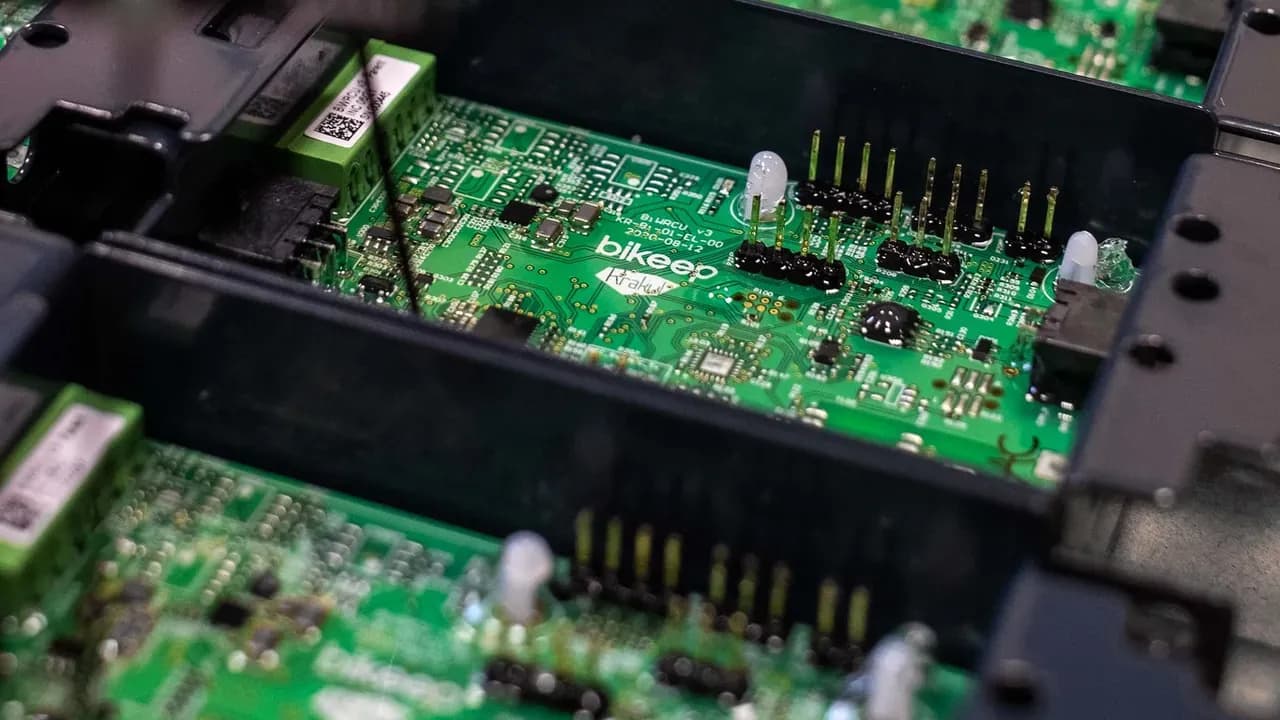
Why a scaling bike parking network needs IoT, not Bluetooth
Bluetooth locks scale to a dozen doors. Networks that reach hundreds need devices with their own connection — and a platform that outlives the hardware.

Bikeep CEO Kristjan Lind spoke on Äripäev radio about how the company is navigating the current landscape and what the global crisis has meant for the micromobility sector as a whole.
In the interview, Lind discusses the paradox of crisis as a catalyst: while the pandemic disrupted many industries, it simultaneously accelerated demand for sustainable, socially-distanced urban transportation. Micromobility — including bikes, e-bikes, and e-scooters — emerged as one of the clear beneficiaries, with cities and commuters alike reconsidering how they move through urban environments.
The conversation touches on Bikeep's own growth trajectory, the broader market dynamics shaping smart bike parking and charging infrastructure, and what the influx of new riders means for cities investing in long-term cycling infrastructure.
Bluetooth locks scale to a dozen doors. Networks that reach hundreds need devices with their own connection — and a platform that outlives the hardware.
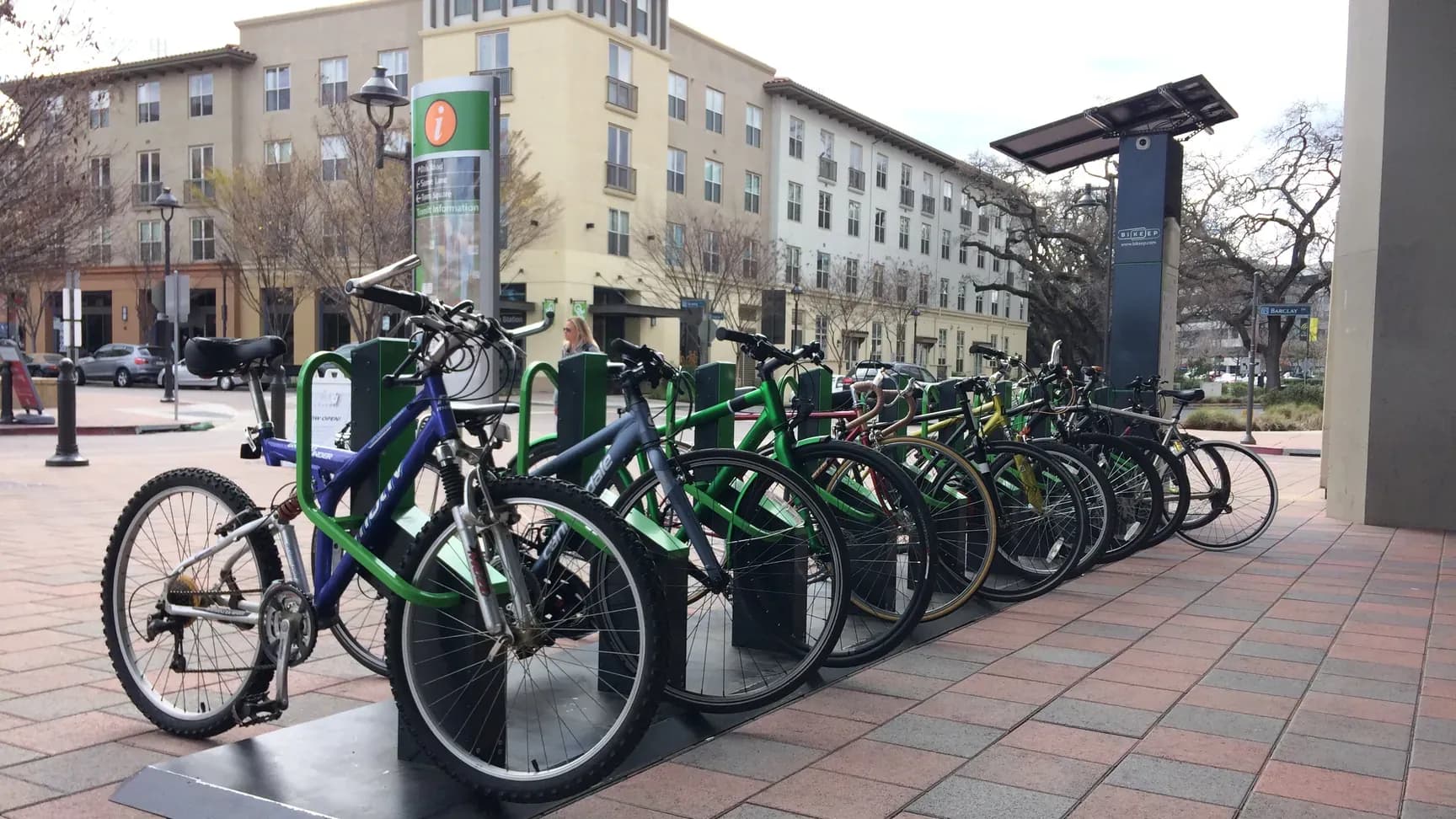
Since 2016, Bikeep smart bike parking stations at BART have cut bike theft and outlasted a decade of daily use across the Bay Area transit network.
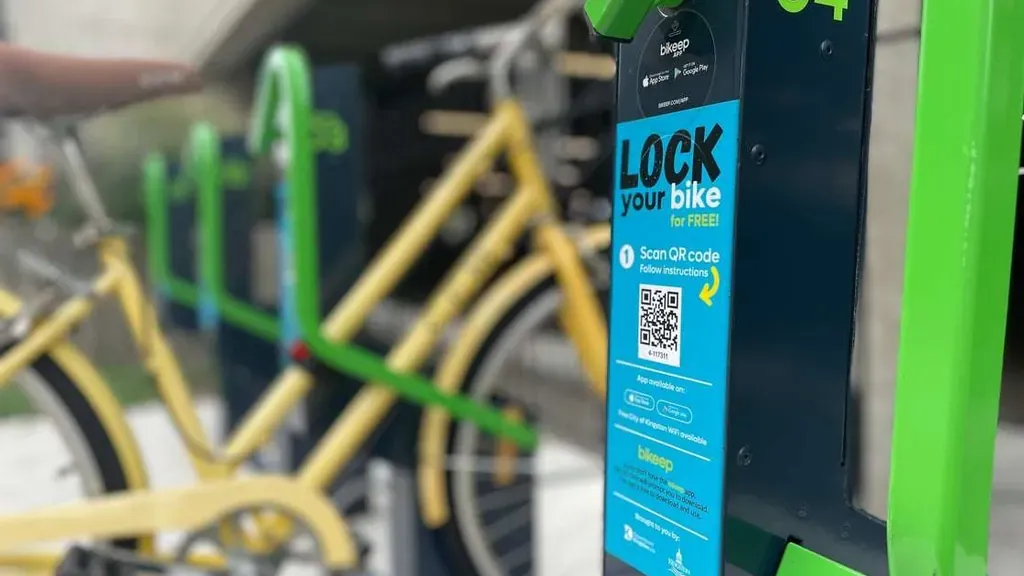
A summer pilot on Princess Street became permanent: 18 secure Bikeep docks across three downtown Kingston locations, free for residents and visitors.