Open Platform. Your Integration.
Bikeep is a neutral platform provider, open for integration by any service provider. Build bike parking into your mobility app, campus system, or city platform using our REST API.
Three integration models — from a single public endpoint with zero authentication to full session tracking with user management. Full documentation at docs.bikeep.com.

Three Ways to Integrate
Bikeep API Architecture
A high-level view of the Bikeep API architecture — three integration models, real-time data flows, and webhook events. Choose the level of access that fits your use case.

What You Can Build
Real integrations running in production today — from city transit networks to campus access systems.
Mobility-as-a-Service (MaaS)
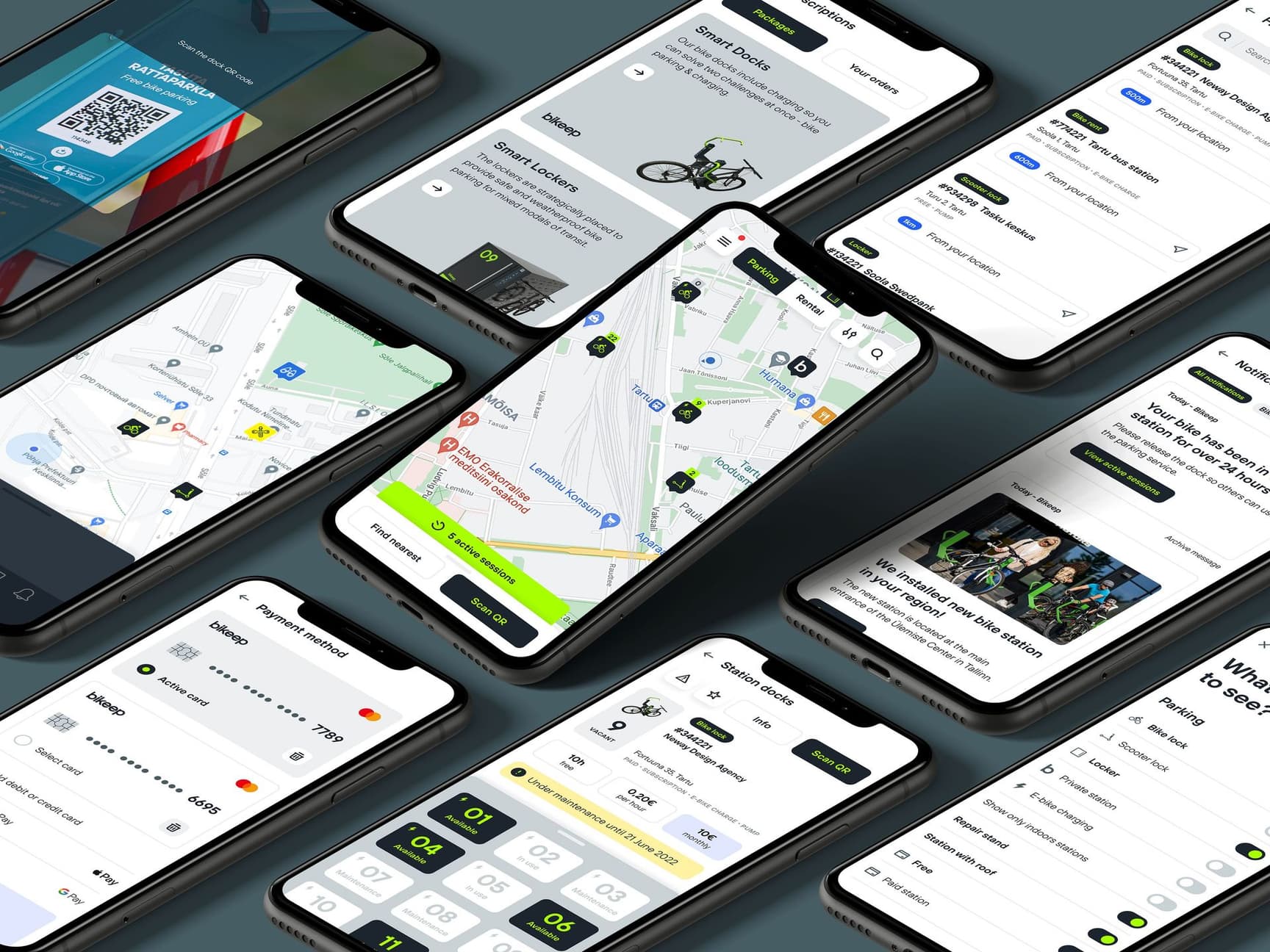
Embed bike parking as a first-class step in multi-modal journeys. Your users find, lock, and unlock bikes without leaving your app. Session data flows back to your platform for unified trip analytics.
Allowlist & Access Control
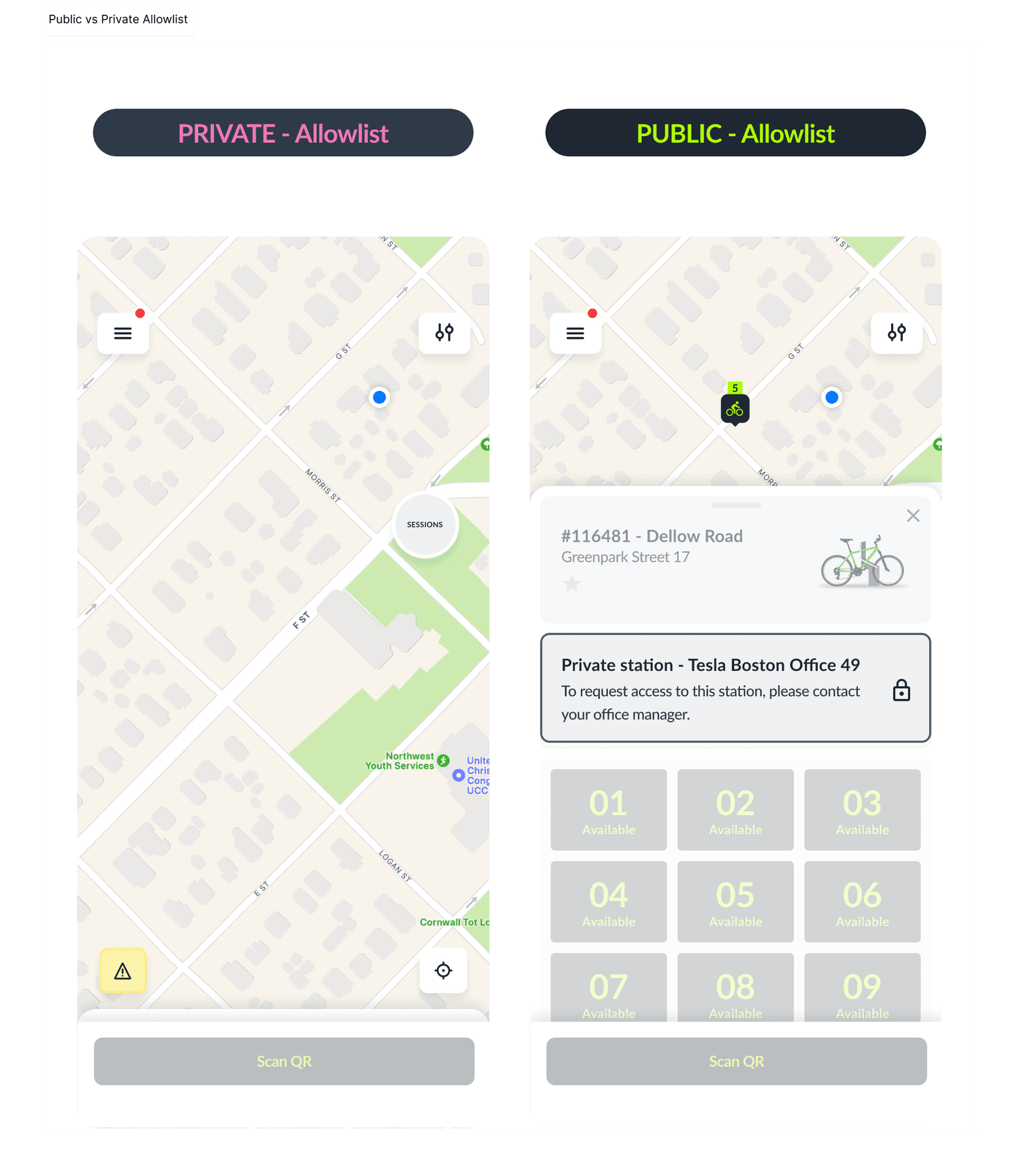
Programmatically manage who can use which stations. Add and remove users by RFID card or phone number, set expiration dates, and sync with your existing user directory. Bulk operations via CSV or API.
Transit Card Integration
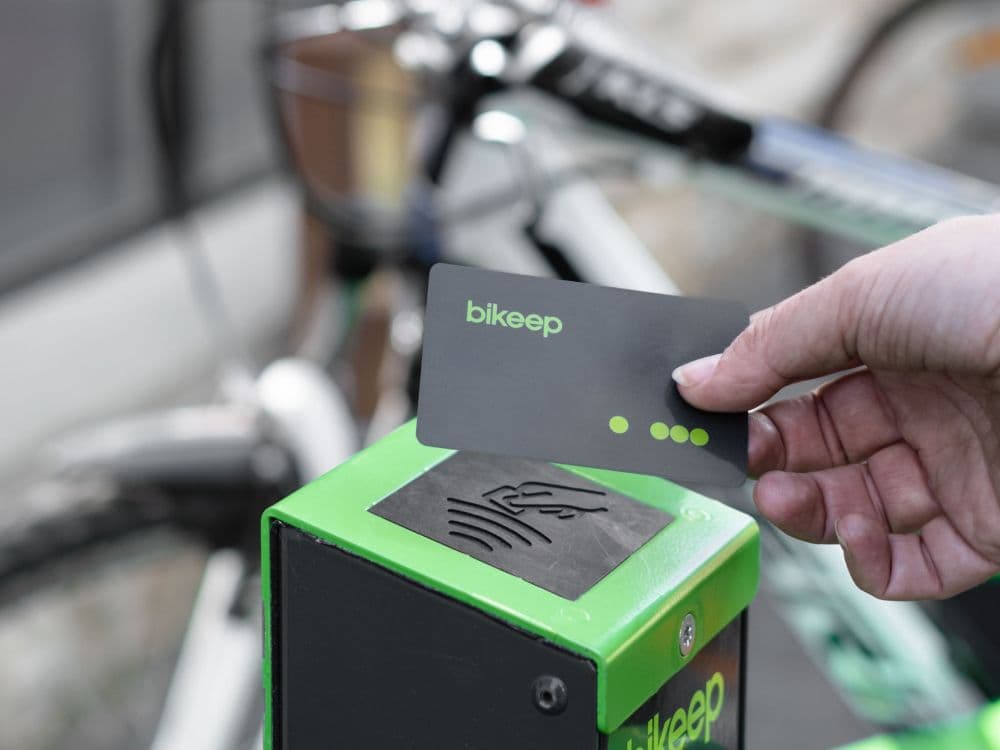
Users tap their existing transit card for bike parking access. Live in production with Smartrip (Washington DC Metro) and Clipper (San Francisco Bay Area). One card for trains, buses, and bike parking.
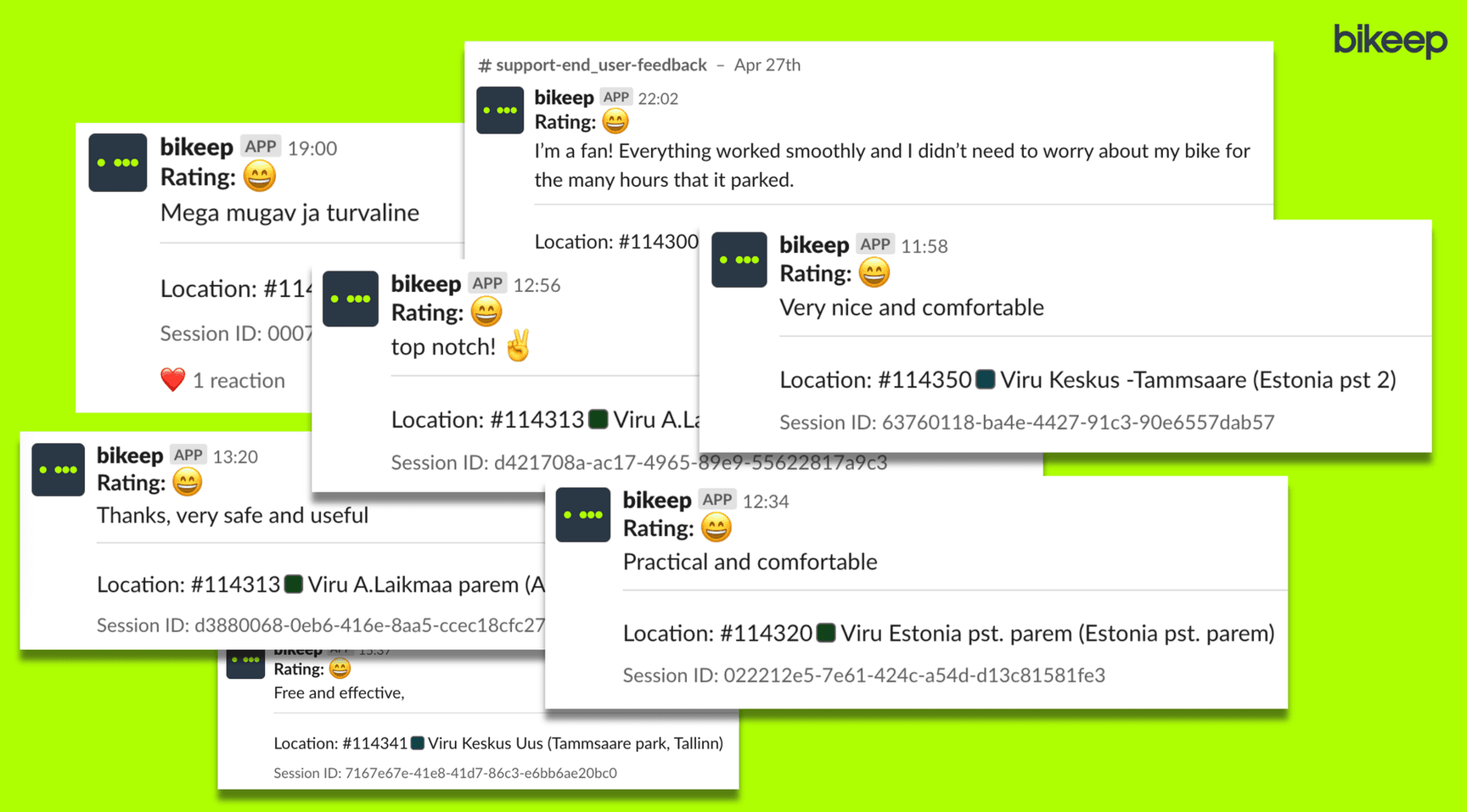
Real-Time Data & Webhooks
Subscribe to station events — session starts, session ends, device alerts, long-duration warnings. Route notifications to Slack, your monitoring system, or custom endpoints. Build automations that respond to parking activity as it happens.
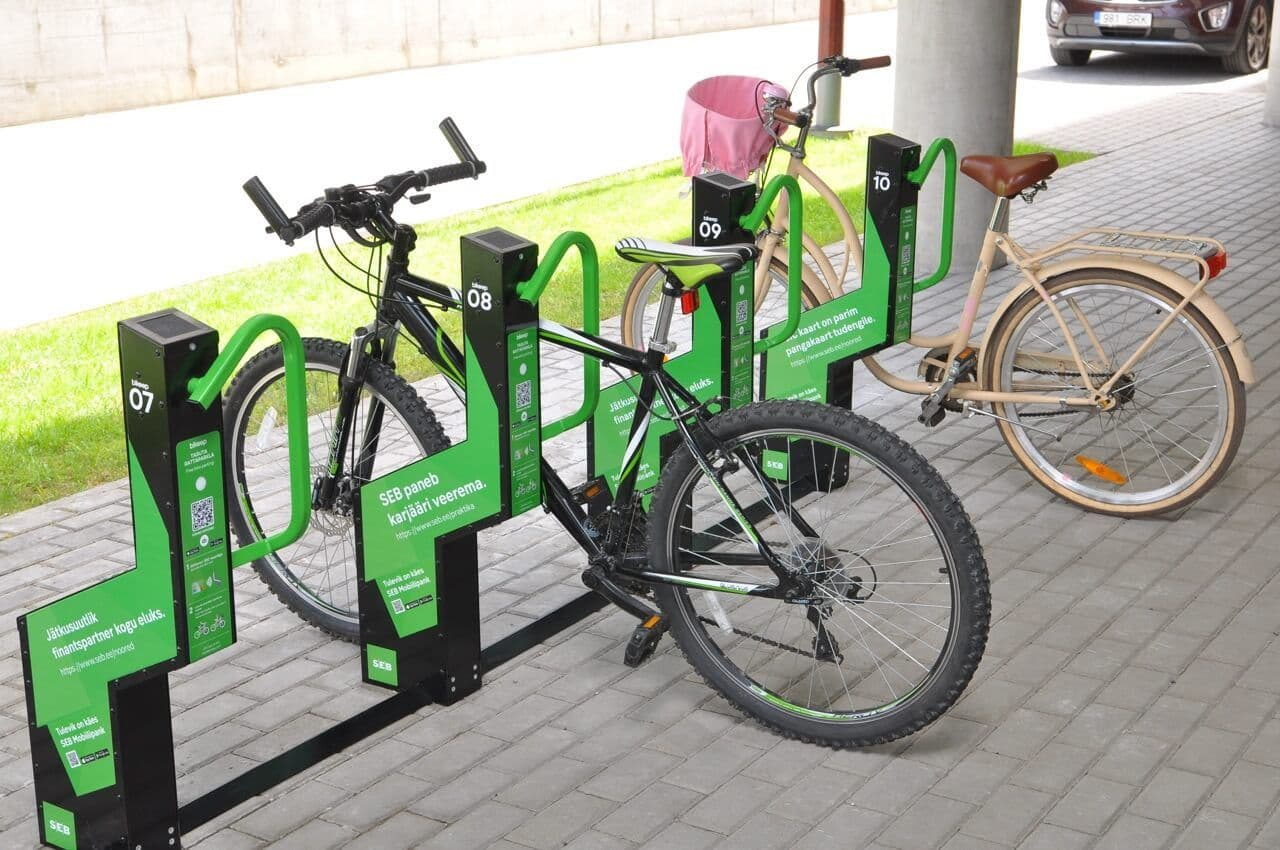
White-Label & Co-Branding
Launch Bikeep under your own brand. Partners control station colors, locking bar wraps, advertising screens, and in-app branding. The API handles sessions and hardware — you own the user experience.
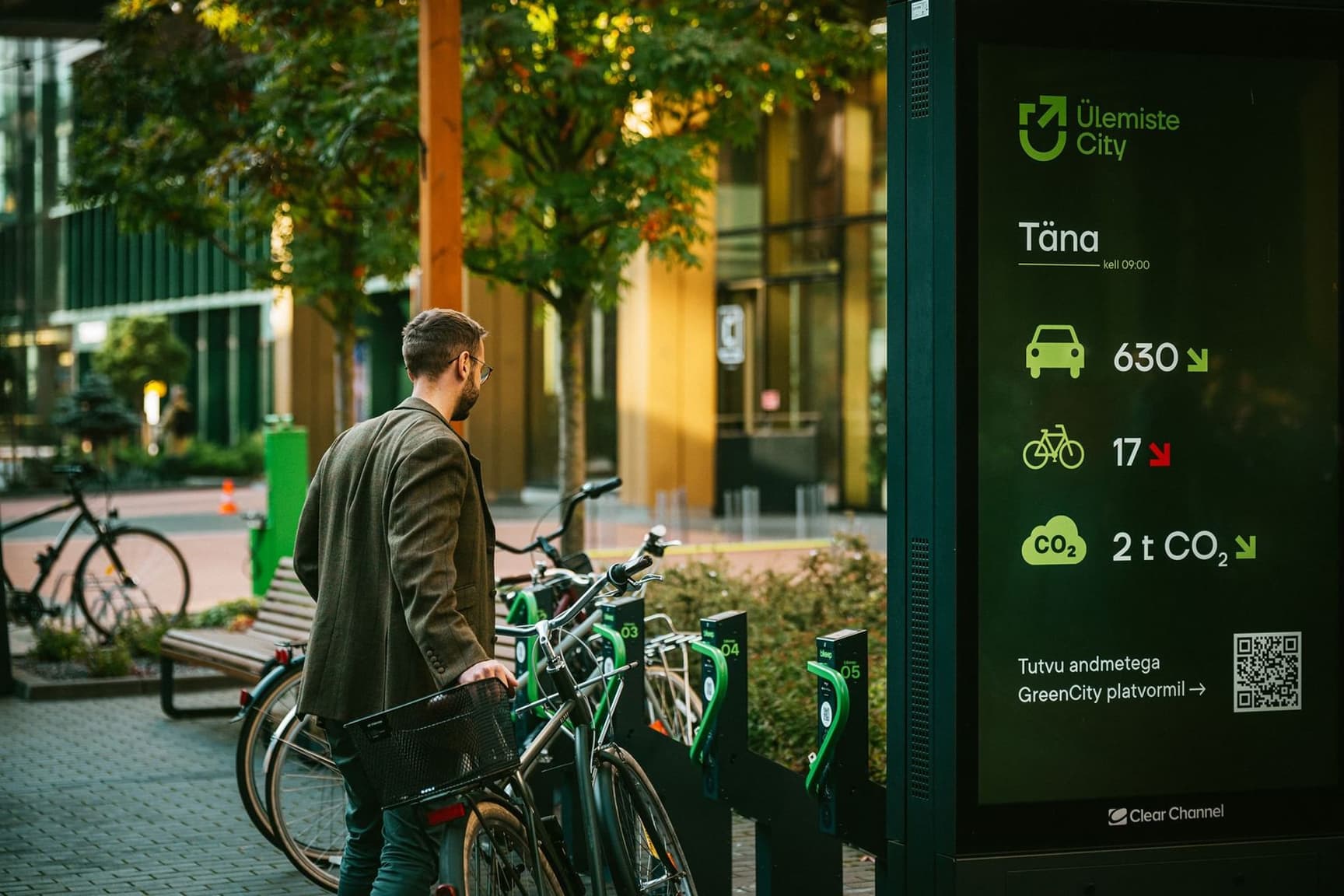
Smart Office & Campus
Integrate bike parking into your workplace platform. Sync employee directories, track commute metrics, and display live availability on lobby screens. Built for facility managers who want cycling data alongside building analytics.
One Endpoint. Every Station. Zero Setup.
The fastest way to get Bikeep data into your product. A single unauthenticated GET request returns GeoJSON with real-time station availability for any public area. No OAuth flow, no API key management — just a URL.