Electricity + Bicycles? The Future of Urban Mobility
Skyrocketing e-bike sales, increased popularity among "non-cyclists", and expanding bike infrastructure all indicate the same thing: micromobility is at its transformation point.
The micromobility industry has long debated the benefits of short trips or last-mile journeys taken by bikes and scooters, typically within dense urban environments. However, micromobility is proving to be much larger than that. It is now believed that not only short urban trips, but varied trip lengths and multimodal combinations with other transport modes, will become the norm. The eruption of e-bikes has brought new hope and new behaviours that could disrupt transportation as we know it today.
Why E-Bikes Disrupt the Status Quo
Electric bikes are a lot like conventional bikes — except they are uniquely effective at attracting new cyclists. By lowering the barrier to entry for people who might be out of shape or intimidated by hills, e-bikes serve as a bridge between the old and the new. Cyclists can conquer more challenging terrain, substitute the train or their car entirely, and extend their range without the same physical exertion. Speed and endurance are no longer limiting factors — it is still a workout, just not an exhausting one.
Another persistent barrier to cycling for urban commuters has been arriving at the workplace without the option to shower. While the ideal solution is on-site shower facilities, an e-bike can help here too. Riders can manage their effort more precisely, arriving at the office without the sweat factor that has historically put people off.
Transit–Bicycle Combination Under Scrutiny
When the pandemic hit, the New York subway shut down almost entirely during certain periods, leaving those who depended on public transport to find alternatives. This exposed the fragility of relying on a single mode of transport and highlighted the value of flexible, rider-controlled options. Cyclists are not dependent on timetables or vulnerable to force majeure events like pandemics or service disruptions. Experiences like this have prompted many commuters to look more seriously at e-bikes as a reliable primary or secondary transport mode.
Parking Possibilities in Transit Stations and Offices
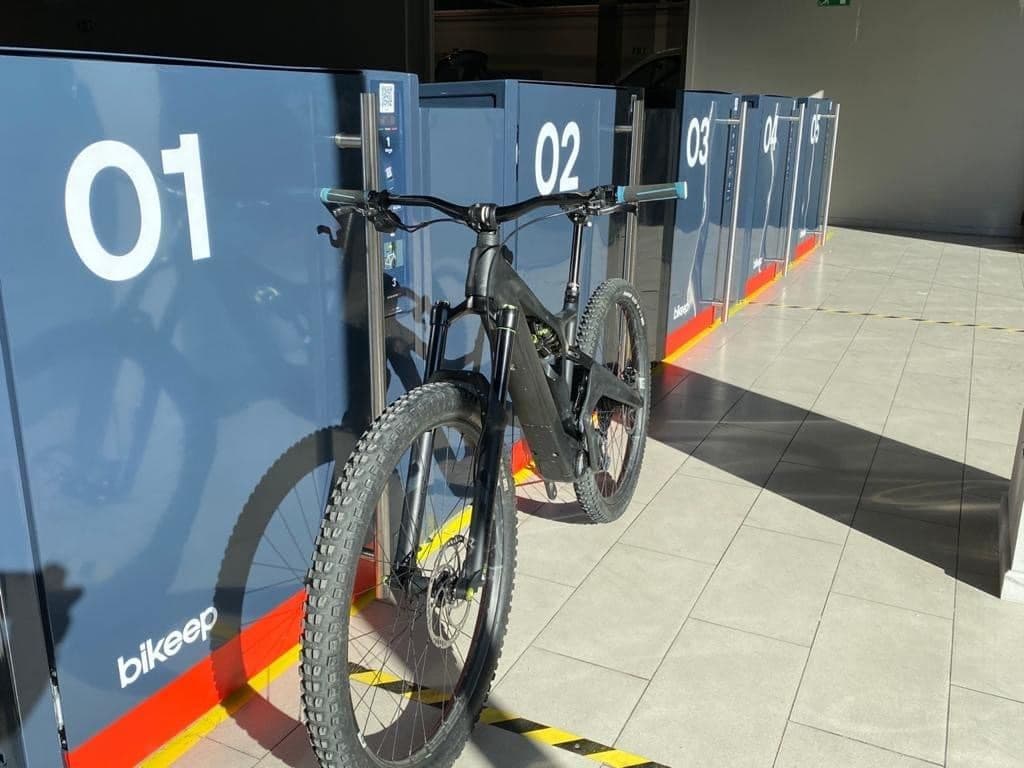
As e-bikes grow in popularity and extend the practical radius of micromobility, parking presents a real challenge. E-bikes are typically more expensive than conventional bikes, making them attractive targets for theft. The need to recharge the battery also requires riders to plan their trips more carefully.
Until the rise of e-bikes, the bicycle–public transport combination was already considered one of the most efficient commuting options. Providing commuters with secure, charged parking at transit stations unlocks the full potential of this model. If a commuter can cycle to a station that offers a direct route to their destination, it reduces the number of stops required — a more efficient outcome for both the commuter and the transit planner.
Infrastructure, Culture, and the Road Ahead
It is important to use this momentum and not remain stuck in outdated thinking about the urban landscape. Change is overdue. The pandemic has accelerated conversations about climate change, catalysed new business models, and reminded us how important health and sustainability are. The old ways are no longer sufficient — we need to drive change in mindset, behaviour, and infrastructure.
Companies can develop green plans, measure emissions, and find more sustainable ways to reduce their carbon footprint. Micromobility is one of the fastest ways to make a meaningful start. Cultural change, however, is the most important factor of all.
Sustainability requires collective effort. Does tax policy actively support e-bikes and active transport? How can municipalities support companies — and how can companies support municipalities and their employees? The goal is to make sustainability more than a buzzword and continue working towards tangible, lasting change.
Related Articles
APCOA reveals impact of CiTTi Award-winning urban mobility hub: Transforming Urban Mobility with Bikeep
Parking management company APCOA has revealed the sustainability benefits of its Urban Mobility Hub in Carmarthen, Wales, one year after its official launch — and following a win at the 2023 CiTTi Awards.

Bikeep is helping the Örebro community park more securely
Bikeep has partnered with One4Tech and ICA in Örebro, Sweden, to offer free, secure smart bike parking in front of grocery stores — reducing bike theft and encouraging cycling for everyday errands.
These 6 tips will ensure your success in getting your next e-bike
Thinking about buying your first e-bike? From landscape and distance to charging options and price, these six practical tips will help you make the right choice.