News
Bikeep CEO on micromobility in Äripäev
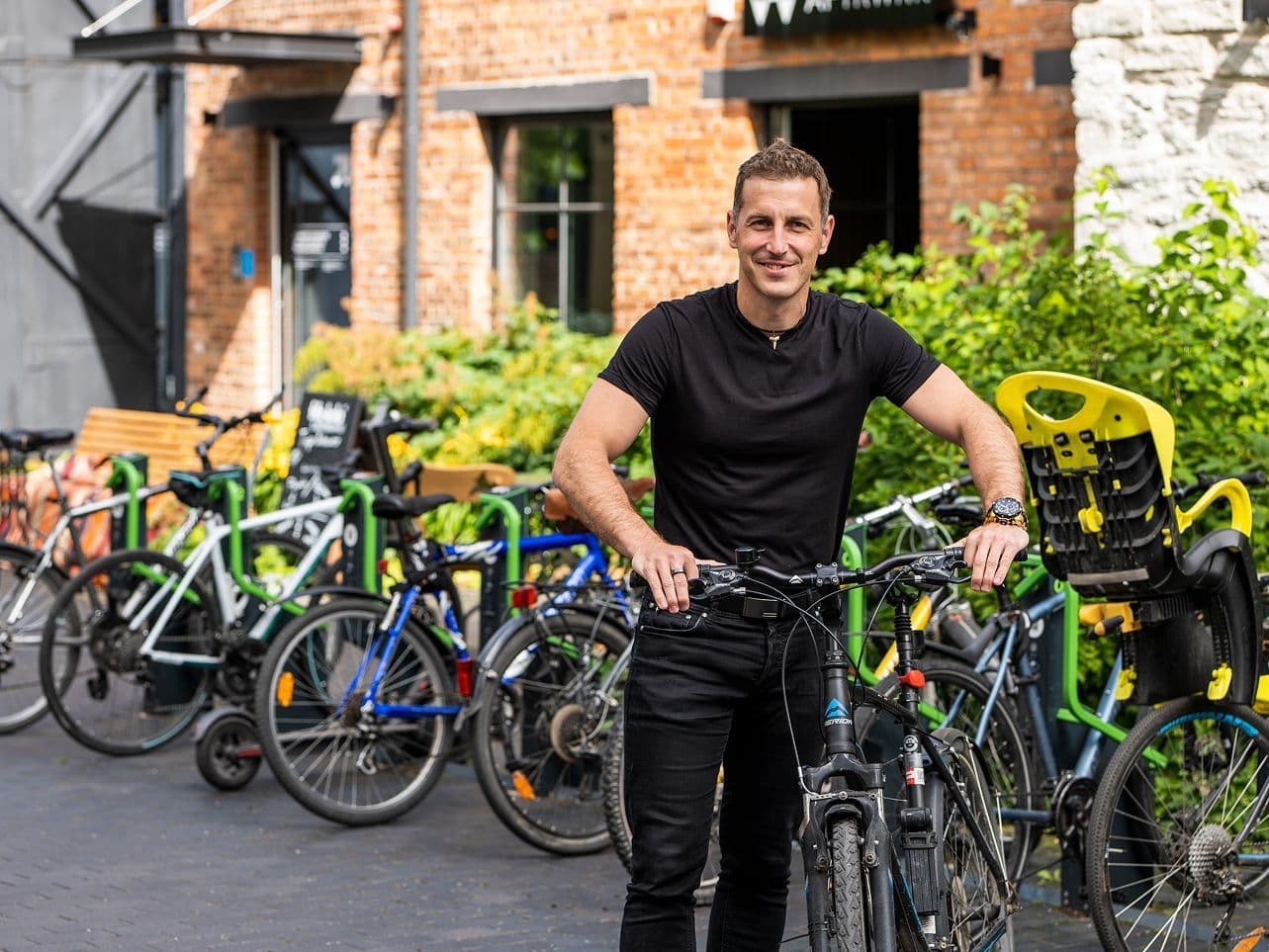
Bikeep CEO Kristjan Lind shares his predictions on the micromobility industry and its current state in Estonian Business Daily Äripäev.
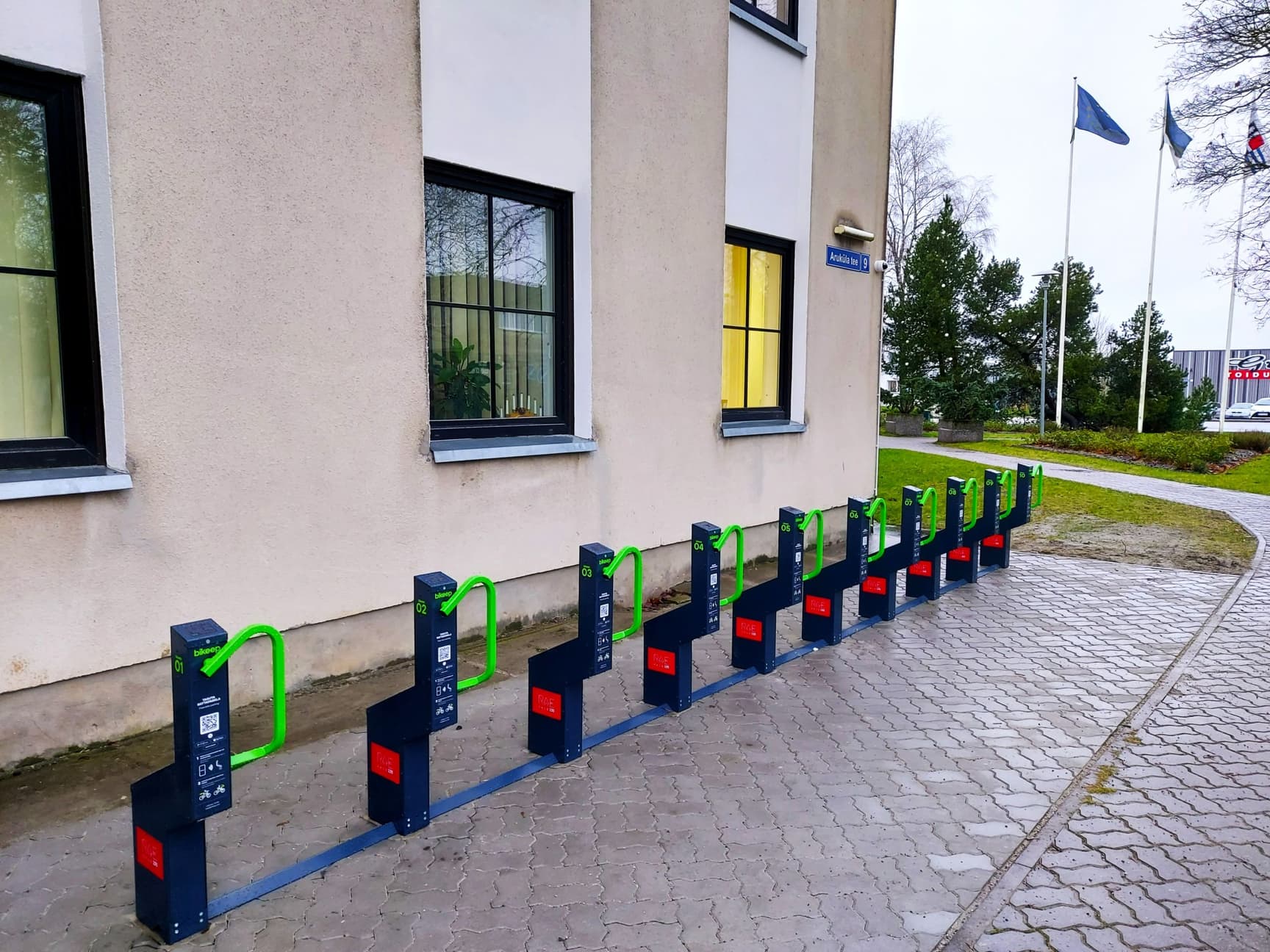
Bike use surged in 2020 as the pandemic made people more conscious of their wellbeing. The world is changing, and more and more cities will soon look like the bicycle city of Amsterdam. This has brought some busy and exciting times for Estonian micromobility enabler Bikeep in solving urban infrastructure problems.
As cities worldwide accelerate investment in sustainable transport, demand for smart bike parking and charging infrastructure has grown significantly. Bikeep has been at the forefront of this shift, deploying smart stations across universities, municipalities, airports, and commercial properties to support the growing wave of cyclists and e-bike riders.
For the full feature on Bikeep's growth and the micromobility opportunity, read the original article on Invest in Estonia.
Bikeep CEO Kristjan Lind shares his predictions on the micromobility industry and its current state in Estonian Business Daily Äripäev.
Bikeep CEO Kristjan Lind shares insight into production, marketing strategies, the micromobility industry, and the business side of Bikeep on Estonian Business Daily Äripäev radio.
Landscape Architecture Magazine (LAM) featured Bikeep's smart scooter parking station in the bikes and transit category in its March 2021 issue, highlighting the role of smart micromobility infrastructure in urban design.